1786 N. Riverside Ave Suite #1, Rialto, CA 92376


The Reasons Behind Cat Chirping: What Pet Owners Should Know
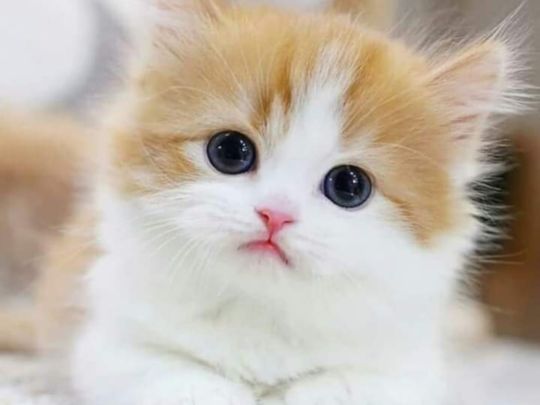
Have you ever heard your cat make a quick, birdlike sound and wondered what it means? Cat chirping can be surprising, especially when it sounds different from a typical meow. This vocalization is common in many cats and may happen while they watch birds, chase toys, greet people, or become excited about something nearby. Understanding the situation surrounding the sound can help you interpret your cat’s behavior more accurately.
Cats communicate through a combination of vocalizations, body language, facial expressions, and physical behaviors. Chirping is one small part of this communication system. While it is often associated with excitement or hunting instincts, cats may chirp for several different reasons. Paying attention to what happens before, during, and after the sound can provide useful clues about what your cat is experiencing.
What Is Cat Chirping?
Cat chirping is a short, high-pitched vocalization that can sound somewhat like a bird’s tweet. It may also be described as chattering or chittering. Unlike a long, sustained meow, a chirp is usually brief and may occur several times in quick succession.
Some cats produce a soft chirp, while others make louder or more repetitive sounds. Your cat may also combine chirping with purring, meowing, trilling, or other vocalizations. There is no single sound that every cat makes in exactly the same way.
The meaning of a cat chirping sound depends heavily on context. For example, a cat watching a bird through a window may chirp because it is highly focused on the movement outside. Another cat may chirp while walking toward its owner because it is excited about interaction.
Rather than interpreting chirping on its own, observe your cat’s entire body language. Relaxed ears, normal posture, an upright tail, and curious behavior may indicate positive excitement. In contrast, flattened ears, hiding, tense muscles, or other unusual behaviors may suggest stress or discomfort.
Why Do Cats Chirp?
There are several possible reasons cats make this distinctive sound. Some explanations relate to their natural instincts, while others may involve communication, curiosity, play, or attention.
1. Chirping May Be Linked to Hunting Instincts
One of the most recognizable examples is cat chirping at birds. A cat sitting near a window may become intensely focused on a bird, squirrel, insect, or other small animal. As the animal moves, the cat may chirp, chatter, or make repeated clicking sounds.
This behavior may reflect the cat’s natural predatory instincts. Domestic cats retain many behaviors inherited from their wild ancestors, even when they live comfortably indoors. Watching potential prey can trigger excitement and intense concentration.
The chirping does not necessarily mean the cat is unhappy. It may simply be responding instinctively to something that has captured its attention.
2. Excitement Can Trigger Chirping
Cats may chirp when they become excited about something interesting. A favorite toy, a moving object, another pet, or even an engaging interaction with their owner can lead to this vocalization.
For example, your cat might chirp when you bring out a feather toy. It may also make the sound while preparing to pounce or chase. In these situations, chirping can accompany playful behavior and heightened interest.
Understanding these patterns can make it easier for owners to recognize when their cats are stimulated, curious, or ready to play.
3. Cats May Chirp to Get Your Attention
Some cats use chirping as part of their communication with people. Your cat may chirp when you enter a room, approach its food bowl, or begin interacting with it.
If the behavior repeatedly occurs during positive interactions, your cat may have learned that chirping gets a response. Over time, it can become one of the ways the cat communicates with its family.
Every cat has its own personality and communication style. One cat may be very vocal, while another may communicate primarily through body language.
4. Chirping Can Occur During Play
Play can recreate many elements of hunting. Cats stalk, chase, pounce, grab, and bat at toys, making play an excellent opportunity for natural behaviors to appear.
A cat may chirp while chasing a toy mouse across the floor or watching a feather move through the air. Kittens can also make chirping sounds while exploring and playing.
Providing appropriate interactive toys can give cats a safe way to express these natural behaviors. Short, engaging play sessions can also provide mental stimulation and physical activity.
5. Curiosity May Be Another Reason
Cats are naturally curious animals. A new sound, unfamiliar object, movement outside a window, or change in their surroundings can capture their attention.
When a cat encounters something unusual, chirping may occur as part of its reaction. You may notice your cat staring closely at the object, tilting its head, moving its ears, or approaching cautiously.
In this situation, chirping may simply be one part of the cat’s response to something it finds particularly interesting.
What Does Cat Chirping Mean When It Happens to Birds?
Cat chirping at birds is particularly common and has attracted considerable attention from cat owners. A cat may sit at a window and become completely absorbed in watching birds outside.
The cat may crouch, flick its tail, move its ears, and make repeated chirping or chattering sounds. These behaviors can indicate strong interest and excitement.
Some explanations suggest that the sound could be related to hunting behavior or an instinctive response to prey. Another possibility is that cats are responding to the sounds and movements of birds in ways that are difficult to fully understand.
Regardless of the exact reason, this behavior is generally not concerning when the cat otherwise appears comfortable and healthy. Giving indoor cats safe opportunities to watch outdoor activity can provide valuable environmental enrichment.
Is Cat Chirping Different From Meowing or Purring?
Yes. Cats have a surprisingly broad range of vocalizations, and each can occur in different situations.
Meowing: Cats commonly use meows when communicating with people. The pitch, length, and frequency can vary depending on the individual cat and situation.
Purring: Purring is often associated with relaxation and contentment, although cats can also purr in other circumstances.
Trilling: Trilling is generally a softer, rolling sound that some cats use when greeting people or seeking attention.
Chirping: Chirping is usually shorter and more birdlike. It may occur when a cat is excited, focused, curious, or engaged in play.
Because individual cats communicate differently, owners should look at the entire situation rather than assigning one fixed meaning to every sound.
When Should Cat Owners Be Concerned About Chirping?
In most cases, occasional chirping is simply normal feline behavior. However, a sudden change in vocalization can deserve closer attention.
Pay attention if your cat begins making unusual sounds while also showing other changes, such as:
- Reduced appetite or thirst
- Hiding more than usual
- Unusual aggression or irritability
- Difficulty moving or jumping
- Excessive vocalization
- Changes in litter box habits
- Difficulty breathing
- Vomiting or diarrhea
- Noticeable lethargy
- Signs of pain or distress
A single unusual chirp is generally not enough to indicate a health problem. The bigger concern is a change in your cat’s overall behavior, especially when several symptoms occur together.
If you are unsure whether a behavioral change is normal, seeking professional guidance can help determine whether further evaluation is appropriate. A veterinary hospital near you can assess your cat’s physical condition and help distinguish normal communication from signs that may require attention.
How Can Owners Better Understand Their Cat’s Chirping?
The best way to understand your cat’s vocalizations is to observe patterns.
Start by identifying what happens immediately before the chirping begins. Is your cat watching a bird? Playing with a toy? Looking at you? Approaching the food bowl? Exploring something new?
Next, watch the body language. A relaxed body and curious posture may suggest excitement or interest. Tension, hiding, flattened ears, or other concerning behaviors may indicate that something else is happening.
You can also keep track of changes over time. Knowing your cat’s normal behavior makes it easier to recognize when something is different.
Regular veterinary care can also support your ability to understand behavioral changes. During an examination, a veterinarian can evaluate your cat’s overall health and discuss behavioral concerns with you.
For pet owners seeking veterinary care in Rialto, professional guidance can be especially helpful when a familiar behavior suddenly changes or appears alongside physical symptoms.
Creating a Positive Environment for a Chirping Cat
If your cat chirps while watching birds or playing, you generally do not need to discourage the behavior. Instead, focus on providing safe and appropriate enrichment.
Interactive toys, scratching surfaces, climbing structures, puzzle feeders, and comfortable window areas can help keep cats mentally engaged. Play sessions that allow cats to stalk and chase toys can also provide an outlet for their natural instincts.
If your cat becomes frustrated while watching animals outside, consider adjusting its environment. You might redirect its attention with a toy or another engaging activity.
Most importantly, avoid punishing vocalizations. Chirping is a form of communication, and punishment can create unnecessary stress without addressing the underlying reason for the behavior.
When to Seek Professional Veterinary Guidance
Behavioral changes are worth discussing when they are sudden, persistent, or accompanied by other symptoms. Cats can sometimes hide signs of illness, making subtle changes particularly important.
If your cat starts vocalizing much more frequently, appears uncomfortable, stops engaging in normal activities, or develops other unusual symptoms, a veterinary evaluation can help identify possible causes.
A veterinarian can consider your cat’s medical history, behavior, physical examination findings, and other symptoms before determining whether additional testing or treatment is needed.
For owners searching for a vet in Rialto, choosing a veterinary team that takes time to understand both physical health and behavior can make these conversations easier. Valley Animal Hospital emphasizes communication, personalized care, and a compassionate approach to helping pets and their families.
Understanding Your Cat’s Unique Communication
Cat chirping is one of the many fascinating ways cats express themselves. Whether your cat chirps while watching birds, chasing a toy, greeting you, or investigating something new, the behavior often reflects curiosity, excitement, communication, or natural instincts.
The most useful approach is to consider the context and your cat’s overall body language rather than focusing on the sound alone. Knowing what is normal for your individual cat can help you recognize meaningful changes early.
When questions about your cat’s behavior or health arise, professional veterinary guidance can provide reassurance and help identify concerns that may not be obvious at home. If you are looking for compassionate veterinary care in Rialto, Valley Animal Hospital provides personalized veterinary services designed around the health and well-being of pets and their families.
Frequently Asked Questions
1. Why does my cat chirp at birds?
Ans: Cats may chirp at birds because they are highly stimulated by the movement and sounds of potential prey. The behavior may be connected to natural hunting instincts, excitement, or intense curiosity.
2. Is cat chirping normal?
Ans: Yes. Chirping is a normal vocalization for many cats. It is especially common during play, when watching birds or other animals, and during exciting interactions. However, a sudden change in vocalization accompanied by other concerning symptoms should be evaluated.
3. Why does my cat chirp at me?
Ans: Your cat may chirp at you as a greeting, to seek attention, or because it is excited to interact with you. Some cats simply develop chirping as part of their individual communication style.
4. Do kittens chirp too?
Ans: Yes. Kittens can chirp while playing, exploring, interacting with their mother or littermates, or responding to interesting sights and sounds. Chirping can be part of normal feline communication from a young age.
5. Should I stop my cat from chirping?
Ans: Usually, there is no reason to stop normal chirping. If your cat is comfortable and healthy, the behavior can simply be part of its personality and communication. Providing safe play and enrichment opportunities can help support healthy natural behaviors.
6. When should I worry about a change in my cat’s vocalizations?
Ans: A change deserves more attention when it occurs suddenly or is accompanied by appetite changes, hiding, lethargy, difficulty breathing, pain, litter box changes, or other unusual behaviors. In these situations, contact our animal hospital for guidance about whether your cat should be evaluated.