1786 N. Riverside Ave Suite #1, Rialto, CA 92376


From Heatwaves to Cold Snaps: How Dogs and Cats Cope With Temperature Changes
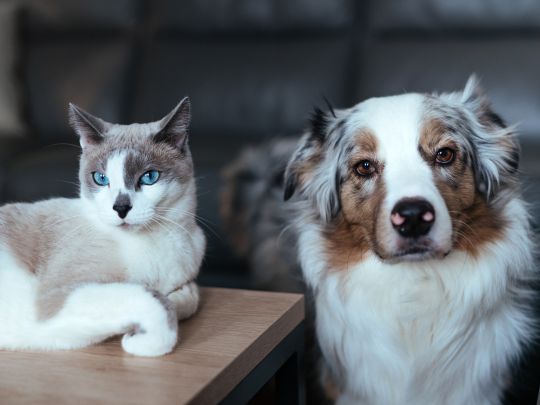
Dogs and cats experience the world through their senses, behaviors, and physical responses, but they cannot tell us when changing temperatures make them uncomfortable. As seasons shift from hot days to cooler nights, pets may need adjustments to their routines, environment, hydration, and activity levels. Understanding how animals respond to temperature changes can help pet owners recognize subtle signs that their companions need additional support.
Whether you have a playful puppy, an indoor cat, or a senior pet, paying attention to seasonal changes is an important part of responsible pet care. A veterinarian can also help identify health conditions that may affect how well a pet tolerates temperature changes.
How Dogs and Cats Respond to Temperature Changes
Dogs and cats regulate their body temperature differently from people. Dogs primarily cool themselves through panting, while cats rely more heavily on grooming and behavioral adjustments such as seeking cooler surfaces or shaded areas.
Coat type, age, body condition, breed, activity level, and underlying health can all influence how an animal handles temperature changes. For example, a thick-coated dog may tolerate cooler weather better than a short-haired dog, while a very young or older pet may have more difficulty maintaining a comfortable body temperature.
Pet owners should also remember that an animal’s normal behavior can change with the seasons. A pet that becomes less active, drinks significantly more or less water, or seeks unusual places to rest may be responding to temperature changes—or showing a health concern that deserves attention.
Keeping Pets Comfortable During Hot Weather
Hot weather can affect dogs and cats quickly, particularly when temperatures rise during the afternoon. Providing a cool, comfortable indoor environment is one of the simplest ways to help pets cope.
Make sure your pet has access to fresh water throughout the day. Outdoor pets should have shaded areas where they can get out of direct sunlight. Walks and outdoor activities can also be moved to cooler parts of the day rather than during the hottest hours.
Hot pavement is another consideration for dogs. Surfaces that feel manageable to a person can become uncomfortable for sensitive paw pads. Choosing grassy areas and limiting walks during peak heat can help protect your dog’s feet.
Cats may respond to heat by becoming less active or choosing cool floors and shaded spaces. Indoor cats should have access to fresh water, ventilation, and comfortable resting areas.
If your pet develops unusual panting, weakness, vomiting, significant behavioral changes, or other concerning symptoms during hot weather, contact a veterinary professional for guidance.
Helping Pets Adjust to Cooler Temperatures
As temperatures fall, pets may look for warm places to sleep and spend more time resting. Cats often seek sunny windows, blankets, or warm bedding, while dogs may appreciate a comfortable bed away from cold floors and drafts.
Short-haired, small, young, and senior pets may be more sensitive to colder conditions. Dogs that spend time outdoors should have appropriate shelter protected from wind and moisture. However, even pets with thick coats should not be expected to remain outside for prolonged periods in uncomfortable weather.
Indoor temperature matters, too. If your home becomes noticeably cooler at night, provide your pet with a warm sleeping area. A comfortable bed or blanket can give them a place to retreat when they feel cold.
Changes in mobility can also become more noticeable in colder weather, particularly in older pets. If your dog or cat appears stiff, reluctant to move, or uncomfortable when getting up, a veterinary examination may help determine whether an underlying condition is contributing to these changes.
Seasonal Changes Can Affect Pet Health
Temperature fluctuations do more than influence comfort. Changes in weather can affect activity, appetite, hydration, skin health, and behavior.
For example, a dog that spends less time exercising during hot or cold periods may gain weight over time. Reduced activity can also affect muscle strength and joint mobility. Cats may similarly become less active when their environment changes.
Some pets may also experience changes in their skin and coat. Dry indoor air during cooler months can contribute to dry skin, while heat and humidity may aggravate certain skin conditions.
Because pets can hide signs of illness, subtle changes deserve attention. If your pet develops persistent changes in appetite, water consumption, energy, breathing, weight, or behavior, a vet in Rialto can evaluate whether the change is related to the weather or an underlying health issue.
When Veterinary Diagnostics May Be Helpful
Not every seasonal change requires medical testing, but persistent or unexplained symptoms may warrant a closer evaluation. This is where veterinary diagnostic care can be valuable.
A veterinarian may begin with a physical examination and review your pet’s history, daily routine, diet, activity level, and recent changes. Depending on the findings, diagnostic testing may help identify an underlying problem.
Valley Animal Hospital has an on-site diagnostic laboratory that can perform a variety of tests, with some results available quickly. The hospital also uses imaging such as X-rays and ultrasound when additional information is needed to evaluate internal structures, injuries, or illness.
These tools can be particularly useful when a pet’s symptoms are subtle or could have multiple possible causes. Diagnostic information allows veterinarians to make more informed decisions about your pet’s care.
Simple Ways to Help Pets Adapt Between Seasons
Pet owners can make seasonal transitions easier with a few practical habits:
- Monitor water intake: Make sure clean, fresh water is always available.
- Adjust exercise: Change the timing and intensity of outdoor activities based on weather conditions.
- Create comfortable resting areas: Provide cool spaces during hot weather and warm bedding during colder periods.
- Watch behavior: Pay attention to changes in appetite, energy, sleep, mobility, or bathroom habits.
- Check paws and skin: Look for irritation after outdoor activities or exposure to unusual surfaces.
- Consider age and health: Puppies, kittens, senior pets, and animals with existing health conditions may need additional consideration.
- Keep indoor environments comfortable: Avoid leaving pets in poorly ventilated, excessively hot, or very cold spaces.
These simple adjustments can help dogs and cats remain comfortable as the weather changes.
When to Contact a Veterinarian
Some temperature-related behaviors are normal, while others may indicate that your pet needs professional evaluation. Persistent lethargy, unusual breathing, changes in appetite or thirst, repeated vomiting, weakness, significant changes in behavior, or difficulty moving should not automatically be attributed to the weather.
If you are searching for a veterinary hospital near you, consider discussing any persistent changes with a qualified veterinary professional. A physical examination and, when appropriate, diagnostic testing can help determine whether your pet’s symptoms are simply seasonal or connected to another health concern.
Regular veterinary care also gives pet owners an opportunity to discuss nutrition, weight management, activity levels, environmental conditions, and other factors that can influence how well a pet handles changing temperatures.
Supporting Your Pet Through Every Season
Temperature changes are a normal part of the year, but every pet responds differently. By observing your dog’s or cat’s behavior and making small adjustments to their daily routine, you can help them remain comfortable as conditions change.
For pet owners looking for a vet in Rialto, Valley Animal Hospital provides comprehensive veterinary services supported by modern diagnostic tools and a compassionate veterinary team. The hospital offers diagnostic laboratory testing, X-rays, ultrasound, and other services designed to help evaluate a range of pet health concerns.
If you notice persistent changes in your pet’s health or behavior, schedule an appointment with our animal hospital so a veterinary professional can assess your pet and recommend appropriate care.
FAQs
1. Do dogs and cats feel temperature changes differently?
Ans: Yes. Dogs and cats have different ways of regulating body temperature, and individual tolerance varies based on coat, size, age, body condition, breed, activity level, and overall health.
2. Why does my dog pant more during hot weather?
Ans: Panting is an important way dogs release heat. Increased panting can occur after exercise or exposure to warm temperatures. Persistent or unusual panting, especially when your dog is resting, should be discussed with a veterinarian.
3. Do cats need extra warmth during cold weather?
Ans: Some cats may seek warmer areas when temperatures drop. Providing comfortable bedding and a warm indoor environment can help, especially for kittens, senior cats, short-haired cats, and pets with certain health conditions.
4. Can weather changes affect my pet’s appetite?
Ans: Changes in activity, routine, and environmental temperature can sometimes influence appetite. However, a persistent or significant change in eating habits can have many causes and should be evaluated by a veterinarian.
5. When should my pet receive veterinary diagnostic testing?
Ans: Diagnostic testing may be recommended when a pet has persistent, unexplained, or concerning changes in health or behavior. Depending on the situation, testing may include laboratory work, X-rays, ultrasound, or other diagnostic procedures.
6. How can I help my pet adjust to changing seasons?
Ans: Keep your pet’s environment comfortable, provide fresh water, adjust outdoor activity according to the weather, offer suitable bedding, and monitor changes in behavior, appetite, hydration, and activity. If changes persist, speak with your veterinarian.