1786 N. Riverside Ave Suite #1, Rialto, CA 92376

Gentle Nibbling or Something More? Understanding Your Dog’s Behavior
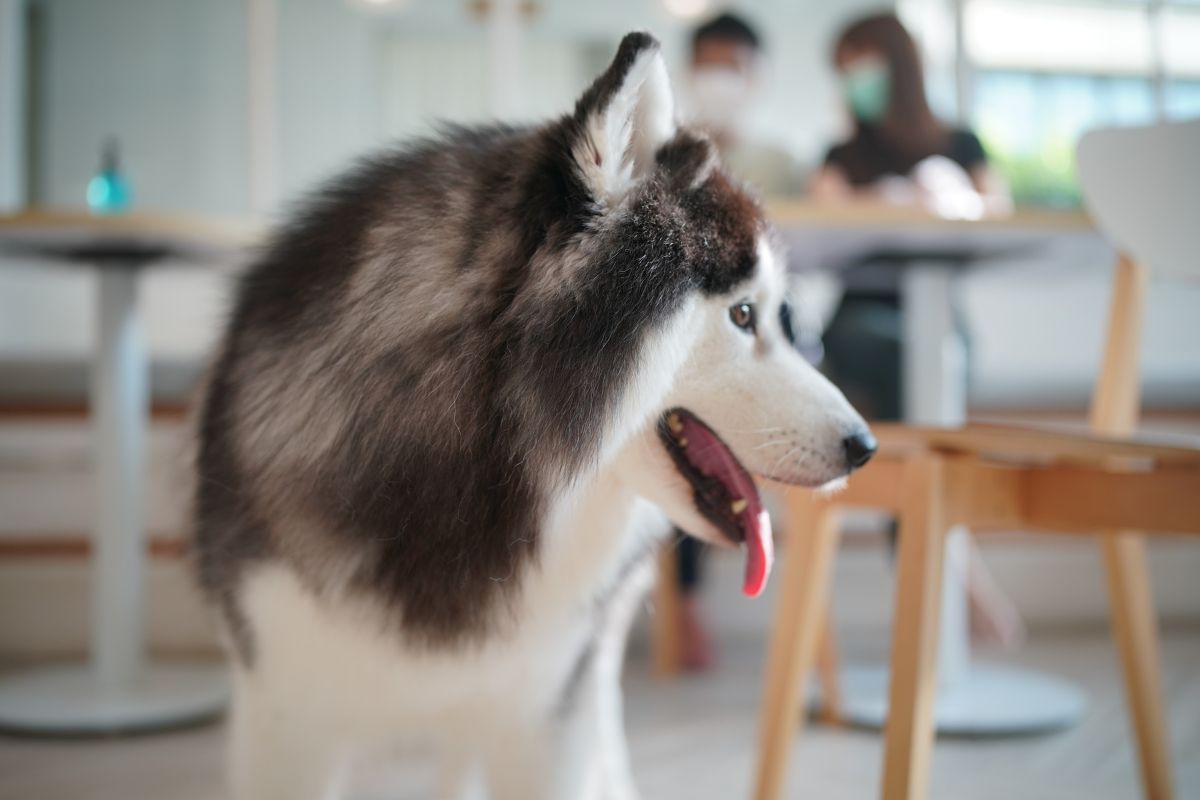
A gentle nibble from your dog can feel adorable, confusing, or even a little annoying. You may notice your dog softly using their front teeth on your hand, arm, clothing, or another part of your body. This behavior can happen during petting, playtime, cuddling, or moments of excitement.
In many situations, gentle nibbling is a normal form of canine communication. Dogs use their mouths to explore their surroundings, interact with people, play, and express social behaviors. Puppies may also nibble while teething and learning how much pressure is appropriate during play. However, not every form of mouthing means the same thing. Understanding your dog’s body language and the situation surrounding the behavior can help you determine what your pet is trying to communicate.
For pet owners looking for guidance from a vet near you, understanding these everyday behaviors can be an important part of responsible pet care.
Why Does Your Dog Nibble? Understanding Common Reasons
Dogs can nibble for several reasons, and the meaning often depends on their age, personality, environment, and body language. A soft nibble from a relaxed dog may have a completely different meaning from a forceful bite accompanied by tension or fear.
Nibbling Can Be a Sign of Affection
Some dogs gently nibble their owners while being petted or cuddled. This behavior may resemble social grooming, an interaction dogs commonly use to strengthen social relationships.
If your dog is relaxed, has a loose body, and gently uses their front teeth without causing discomfort, the behavior may simply be part of how they interact with someone they trust. Gentle nibbling can occur alongside licking, leaning against you, or calmly staying close.
It is important to remember that dogs communicate differently from people. A behavior that seems unusual to us may be completely natural for them.
Excitement Can Lead to Mouthing
Dogs may also use their mouths when they become excited. You might notice mouthing when you return home, reach for a favorite toy, prepare for a walk, or begin an energetic game.
During playful interactions, dogs naturally use their mouths. Puppies especially explore their environment through chewing and mouthing. Playful mouthing is generally accompanied by relaxed, energetic body language rather than stiffness or fear.
If your dog becomes overly excited and starts putting their mouth on your hands, calmly redirecting them toward a toy can help establish appropriate boundaries.
Puppy Nibbling and Teething: What Rialto Dog Owners Should Know
Puppies often nibble much more frequently than adult dogs. One major reason is teething.
As puppies lose their baby teeth and their adult teeth develop, chewing can provide relief for uncomfortable gums. Puppies also investigate new objects with their mouths, making hands, clothing, furniture, and toys tempting targets.
This does not necessarily mean your puppy is being aggressive or intentionally disobedient. However, puppyhood is an important time to teach appropriate chewing habits.
Teaching Bite Inhibition Early
Puppies learn to control the pressure of their mouths through interactions with littermates and other dogs. If a puppy bites too hard during play, another puppy may stop playing or react immediately. These interactions can help puppies understand that excessive pressure ends the fun.
At home, owners can reinforce similar boundaries by calmly stopping interaction when mouthing becomes too rough. Redirecting your puppy toward an appropriate toy can also help them understand what they are allowed to chew.
Consistent responses are important. If hands are sometimes treated as toys and other times discouraged, your puppy may have difficulty understanding the difference.
Rialto Veterinarian Tips for Distinguishing Nibbling From Biting
Not every mouth-related behavior should be treated the same way. Looking at your dog’s entire body can provide valuable clues.
A relaxed dog may have:
- A loose, comfortable posture
- Relaxed facial muscles
- A naturally moving tail
- Soft, controlled mouth movements
- Playful or calm behavior
A dog experiencing fear, discomfort, or stress may display very different signals. A stiff body, intense staring, raised lips, growling, or painful biting should not be dismissed as harmless play.
When Nibbling Becomes a Concern
You should pay closer attention if your dog’s behavior suddenly changes or becomes significantly more intense.
For example, seek professional guidance if your dog:
- Bites hard enough to break the skin
- Frequently causes pain or bruising
- Becomes stiff while mouthing
- Shows threatening facial expressions
- Growls or snarls during handling
- Displays a sudden change in normal behavior
- Repeatedly mouths people despite consistent redirection
A growl should not automatically be viewed as a sign that a dog is “bad.” It can be a communication signal indicating that the dog is uncomfortable and needs space. Punishing warning signals may make it harder for owners to recognize when their dog is distressed.
If you are uncertain whether your dog’s behavior is normal, speaking with a rialto veterinarian can help you better understand what may be happening.
Veterinary Clinic in Rialto Guidance for Sudden Behavior Changes
A sudden change in behavior deserves attention, especially when it differs significantly from your dog’s normal personality.
Dogs may behave differently when they are uncomfortable, stressed, frightened, or dealing with an underlying problem. A dog that previously enjoyed being touched but suddenly begins mouthing, growling, or avoiding contact may need a closer evaluation.
Behavior should always be considered in context. Consider when the nibbling occurs, who is present, what happened immediately beforehand, and how your dog’s body language looks at the time.
Keeping notes about these patterns can be helpful when discussing the behavior with a veterinary professional.
Why Context Matters
For example, a dog that gently nibbles your hand while relaxing beside you may be displaying social behavior. A dog that bites when you touch a specific area may be communicating discomfort.
Similarly, a puppy that mouths during play may need appropriate redirection, while an adult dog that suddenly begins biting after years of different behavior may warrant professional evaluation.
This is why simply labeling a dog as “mouthy” does not tell the whole story.
How to Redirect Unwanted Dog Nibbling
If your dog’s nibbling is gentle but unwanted, you can teach an alternative behavior without turning the interaction into a confrontation.
Offer an Appropriate Toy
When your dog begins nibbling your hand, calmly move your hand away and offer a suitable chew or play toy. This teaches your dog that chewing is acceptable, but human skin is not the appropriate target.
Keep suitable toys easily available in areas where mouthing commonly happens. Consistency makes redirection easier and helps your dog understand the expected behavior.
Avoid Turning Redirection Into a Game
Some dogs become more excited when people pull their hands away quickly or react dramatically. If your dog sees your reaction as part of the game, the behavior may continue.
Instead, remain calm and make the alternative activity more rewarding. Once your dog engages with the toy, praise the appropriate behavior.
Give Your Dog Enough Mental and Physical Activity
Boredom and excess energy can contribute to unwanted mouthing in some dogs. Regular walks, play sessions, training exercises, puzzle toys, and age-appropriate enrichment can give your dog constructive ways to use their energy.
A balanced routine can also make it easier for dogs to settle during quieter interactions with their owners.
When Should You Seek Help From a Vet Near You?
Many cases of gentle nibbling can be managed through observation, consistency, and redirection. However, professional guidance is appropriate when the behavior is painful, escalating, or accompanied by other concerning changes.
Consider contacting a vet near you if your dog’s mouthing behavior is sudden, persistent, difficult to manage, or associated with signs of discomfort.
A veterinarian can assess your dog’s overall health and help determine whether the behavior may be related to an underlying physical concern. They can also discuss appropriate behavioral strategies or recommend additional professional support when necessary.
If you are looking for veterinary clinic in Rialto services, choosing a veterinary team that understands both physical health and everyday behavior can give you greater confidence when addressing changes in your pet.
Building Better Communication With Your Dog
Understanding nibbling is ultimately about learning to read your dog as a whole. The movement of the tail, position of the ears, facial expression, posture, vocalizations, and circumstances surrounding the behavior can all provide important information.
Rather than focusing only on your dog’s teeth, look at what happens before, during, and after the nibbling.
Is your dog relaxed? Are they inviting you to play? Are they seeking attention? Are they teething? Or are they showing signs that they want the interaction to stop?
Answering these questions can help you respond appropriately.
Positive, consistent interactions can also strengthen your relationship. When your dog learns which behaviors receive attention and which behaviors are redirected, communication becomes clearer for both of you.
If you have ongoing concerns about your pet’s behavior or overall well-being, schedule for an appointment with a veterinary professional for personalized guidance.
Helping Your Dog Develop Healthy Habits
Gentle nibbling is often a normal part of canine communication, but understanding the context makes all the difference. Affection, excitement, puppy teething, play, and exploration can all contribute to mouthy behavior. At the same time, painful biting, sudden changes, or concerning body language should not be ignored.
With patience, appropriate redirection, consistent boundaries, and attention to body language, many owners can help their dogs develop better ways to interact. When questions remain, professional guidance can provide reassurance and help rule out potential health or behavioral concerns.
For personalized veterinary support and guidance on your dog’s behavior and overall well-being, Valley Animal Hospital is available to help pet owners in Rialto make informed decisions about their pets’ care.
Frequently Asked Questions
1. Why does my dog gently nibble on my hand?
Ans: Gentle nibbling can have several meanings. Dogs may nibble as part of social interaction, affection, play, attention-seeking, or exploration. Puppies may also nibble because they are teething. Looking at your dog’s body language and the situation can help determine the reason.
2. Is gentle nibbling a sign that my dog is aggressive?
Ans: Usually, gentle nibbling from a relaxed dog is not automatically a sign of aggression. However, painful biting, stiff posture, intense staring, growling, snarling, or other threatening signals should be taken seriously. Context and overall body language are important when evaluating mouth-related behavior.
3. How can I stop my puppy from nibbling my hands?
Ans: Calmly redirect your puppy toward an appropriate chew or play toy whenever they begin mouthing your hands. Avoid encouraging hand-based games and remain consistent. Teaching your puppy what they can chew is generally more useful than simply correcting unwanted behavior.
4. Why does my dog nibble me when I pet them?
Ans: Some dogs may gently nibble during petting as a form of social interaction or affection. If your dog remains relaxed and the nibbling is gentle, it may simply be part of their communication. If your dog becomes tense or appears uncomfortable when touched, however, professional guidance may be appropriate.
5. Should I worry if my dog suddenly starts biting?
Ans: A sudden change in behavior deserves attention, particularly if your dog previously behaved differently. Sudden mouthing or biting can sometimes accompany discomfort, stress, fear, or other changes. A veterinary evaluation can help determine whether further assessment is needed.
6. When should I contact a veterinary professional about nibbling?
Ans: Contact a veterinary professional if the behavior becomes painful, causes injuries, escalates, occurs with concerning body language, or represents a significant change from your dog’s normal behavior. Professional guidance can help identify possible causes and appropriate next steps.