1786 N. Riverside Ave Suite #1, Rialto, CA 92376

Caring for Your Senior Dog: Essential Tips for Healthy Aging
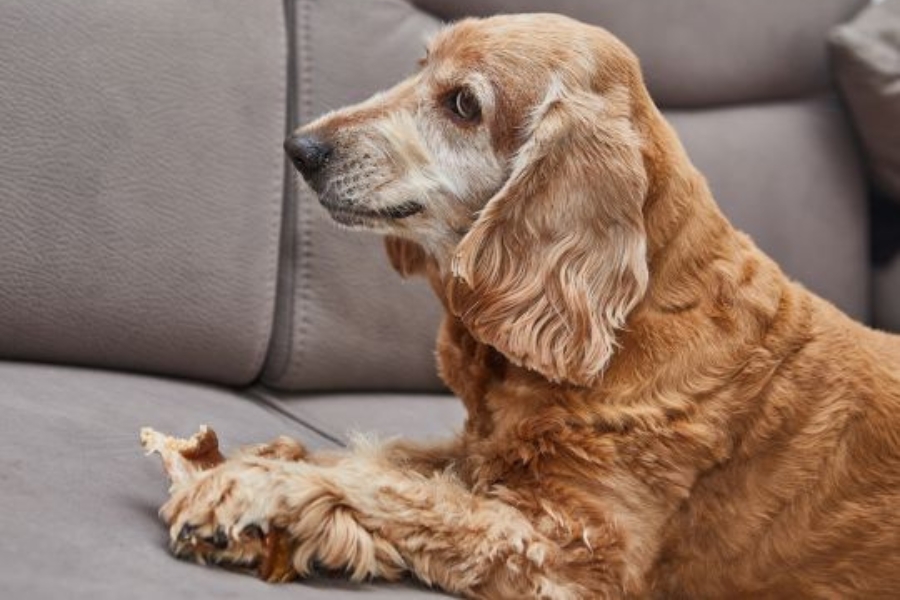
As your dog enters their golden years, it’s crucial to adjust their care routine to ensure they continue to enjoy life to the fullest. Like humans, senior dogs experience physical and emotional changes as they age, and these changes can impact their health and happiness. Fortunately, with the right care, you can help your senior dog age gracefully and remain active, healthy, and comfortable.
At Valley Animal Hospital, we understand that caring for senior dogs requires a tailored approach. In this blog, we will provide essential tips for senior dog care, focusing on the most important aspects of nutrition, exercise, health monitoring, and preventive care. Whether you’re in Rialto, CA, or beyond, these tips will help ensure your dog enjoys their golden years to the fullest.
Understanding Senior Dog Care: Why It’s Important
As dogs age, they undergo various changes in their physical and mental health. Senior dogs are more likely to face conditions such as arthritis, dental disease, vision impairment, and weight issues. The good news is that with proper care, many of these age-related changes can be managed to improve your dog’s quality of life.
When your dog enters their senior years—typically around 7 years old for smaller breeds and 5 years old for larger breeds—it’s important to begin adjusting their care routine. This includes more frequent veterinary checkups, modifications to their diet, and gentle exercise routines.
Regular Veterinary Checkups for Early Detection
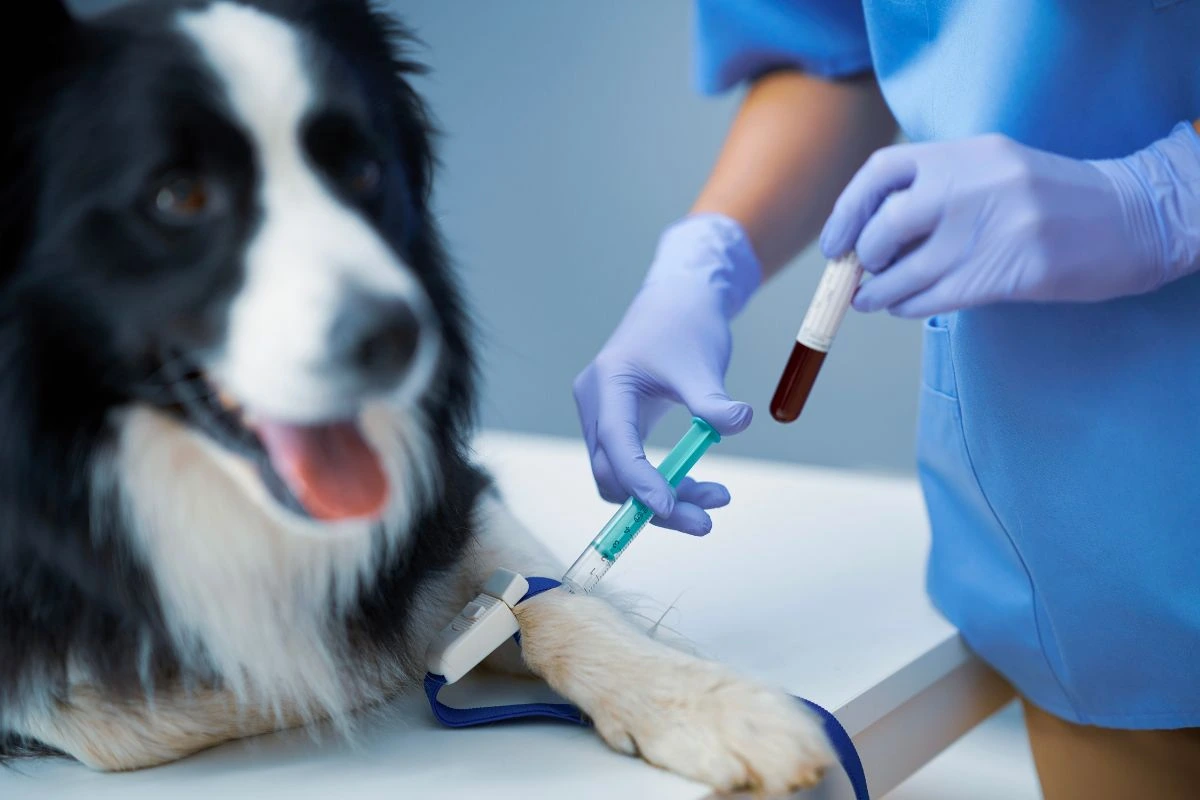
Frequent visits to your veterinarian are crucial when caring for your senior dog. Just like humans, senior dogs require more attention to detect potential health issues early. Regular veterinary checkups allow your veterinarian to monitor your dog’s overall health, identify potential problems, and recommend preventative treatments.
During these visits, your veterinarian will conduct thorough exams, which may include:
- Blood work and urine tests to check for conditions like kidney disease, diabetes, or thyroid problems.
- Dental examinations to identify dental disease, which is common in senior dogs.
- Joint health assessments to evaluate any signs of arthritis or discomfort.
It’s essential to be proactive in addressing any changes in your senior dog’s health. Early detection can make a huge difference in managing conditions effectively.
Nutrition: The Foundation of Senior Dog Care
As dogs age, their nutritional needs change. Senior dogs typically require fewer calories than younger dogs, as they may not be as active. However, their need for specific nutrients—such as high-quality protein, fiber, and joint-supporting supplements—becomes more pronounced.
When it comes to senior dog care, choosing the right food is vital. Look for high-quality dog food formulated specifically for senior dogs. These foods contain a balanced mix of nutrients, including omega-3 fatty acids, which support joint health and reduce inflammation. You may also consider foods enriched with glucosamine and chondroitin to help maintain healthy joints and prevent arthritis.
It’s important to adjust your senior dog’s diet as they age. Speak with your veterinarian about the best diet options for your pet based on their breed, weight, and any existing health conditions.
Exercise: Keeping Your Senior Dog Active and Engaged
Just because your dog is aging doesn’t mean they no longer need exercise. In fact, regular, low-impact exercise is essential for maintaining your dog’s muscle mass, promoting circulation, and supporting their overall well-being. However, as your dog ages, you may need to adjust the type and intensity of their exercise.
Walking is one of the best forms of exercise for senior dogs. It’s gentle on their joints while providing necessary physical activity. If your dog has arthritis or joint pain, consider shorter walks or swimming. Swimming is particularly beneficial for senior dogs with joint problems, as it allows them to exercise without putting pressure on their joints.
Engaging in mentally stimulating activities, such as puzzle toys or training sessions, can also help keep your senior dog’s brain sharp. Mental stimulation is just as important as physical exercise when it comes to your dog’s overall health.
Maintaining Healthy Joints and Mobility
As dogs age, joint issues like arthritis become more common, leading to decreased mobility and discomfort. You can support your senior dog’s joint health by ensuring they maintain a healthy weight, engage in regular low-impact exercise, and receive joint-supporting nutrients.
If your senior dog has arthritis or joint pain, talk to your veterinarian about pain management options. This could include medication, acupuncture, physical therapy, or supplements like glucosamine and chondroitin, which can help support cartilage and joint function.
Watch for signs of joint pain in your senior dog, such as:
- Limping or favoring one leg
- Difficulty climbing stairs or getting in and out of the car
- Reduced activity or reluctance to walk
Addressing joint issues early can help your dog remain mobile and comfortable for longer.
Dental Care: A Key Aspect of Senior Dog Health
Dental disease is a common issue for senior dogs, and it can lead to serious health problems if left untreated. Poor dental health can cause tooth loss, gum disease, and even heart and kidney disease. Regular dental care, including brushing your dog’s teeth and scheduling professional cleanings, is vital for maintaining your dog’s health.
If your senior dog has bad breath, difficulty eating, or swollen gums, they may have dental disease. Speak with your veterinarian about establishing a dental care routine and addressing any issues your dog may face.
Monitoring Your Senior Dog’s Weight
Weight management is crucial for senior dogs, as obesity can exacerbate existing health problems such as arthritis, heart disease, and diabetes. Maintaining a healthy weight helps reduce the strain on your dog’s joints and supports overall well-being.
Work with your veterinarian to create a weight management plan for your senior dog. This may include adjusting their diet, controlling portion sizes, and increasing their activity level through regular exercise. Keep an eye on their body condition score (BCS), which your veterinarian can assess during checkups, to ensure they are at an ideal weight.
Mental Health: Keeping Your Senior Dog Happy
Just as physical health is important, so is your senior dog’s mental well-being. Aging dogs can experience cognitive dysfunction syndrome (CDS), a condition similar to dementia in humans. Signs of CDS include confusion, disorientation, and changes in behavior, such as increased anxiety or disrupted sleep patterns.
To help keep your senior dog mentally stimulated, try introducing new toys, games, and training activities. Engaging with them regularly can help slow the progression of cognitive decline. Your veterinarian may also recommend supplements or medications to support cognitive health.
Caring for a senior dog requires patience, dedication, and a proactive approach to maintaining their health and happiness. By focusing on nutrition, exercise, joint care, dental health, and mental well-being, you can help ensure that your dog enjoys their golden years to the fullest.
If you’re in Rialto and looking for senior dog care near you, schedule an appointment with Valley Animal Hospital. Our veterinary team is dedicated to providing personalized care that ensures your senior dog stays healthy, happy, and comfortable.
FAQs
Q1. How often should I take my senior dog to the vet?
Ans. It’s recommended to visit the vet at least once every six months for a comprehensive health checkup. Older dogs may need more frequent visits depending on their health status.
Q2. What is the best food for senior dogs?
Ans. Look for dog food specifically formulated for senior dogs, which contains high-quality protein, fiber, and nutrients like omega-3 fatty acids, glucosamine, and chondroitin for joint health.
Q3. How can I tell if my senior dog is in pain?
Ans. Signs of pain in senior dogs include limping, reluctance to move, difficulty with stairs, whimpering, or changes in behavior. If you notice any of these signs, consult your veterinarian.
Q4. Can I still exercise my senior dog?
Ans. Yes! Senior dogs still need exercise, but the intensity should be reduced. Regular walks, swimming, and gentle play can keep them active without putting too much strain on their joints.
Q5. How can I help my dog lose weight?
Ans. Work with your veterinarian to create a diet and exercise plan that suits your senior dog’s needs. Reduce portion sizes and increase their activity level to help them maintain a healthy weight.
Q6. What are the signs of cognitive dysfunction in senior dogs?
Ans. Signs of cognitive dysfunction include confusion, disorientation, disrupted sleep patterns, and changes in behavior, such as increased anxiety or housebreaking accidents. Speak to your veterinarian for guidance.