1786 N. Riverside Ave Suite #1, Rialto, CA 92376

Best Foods for Senior Cats: Nutrition Tips for a Healthier Life
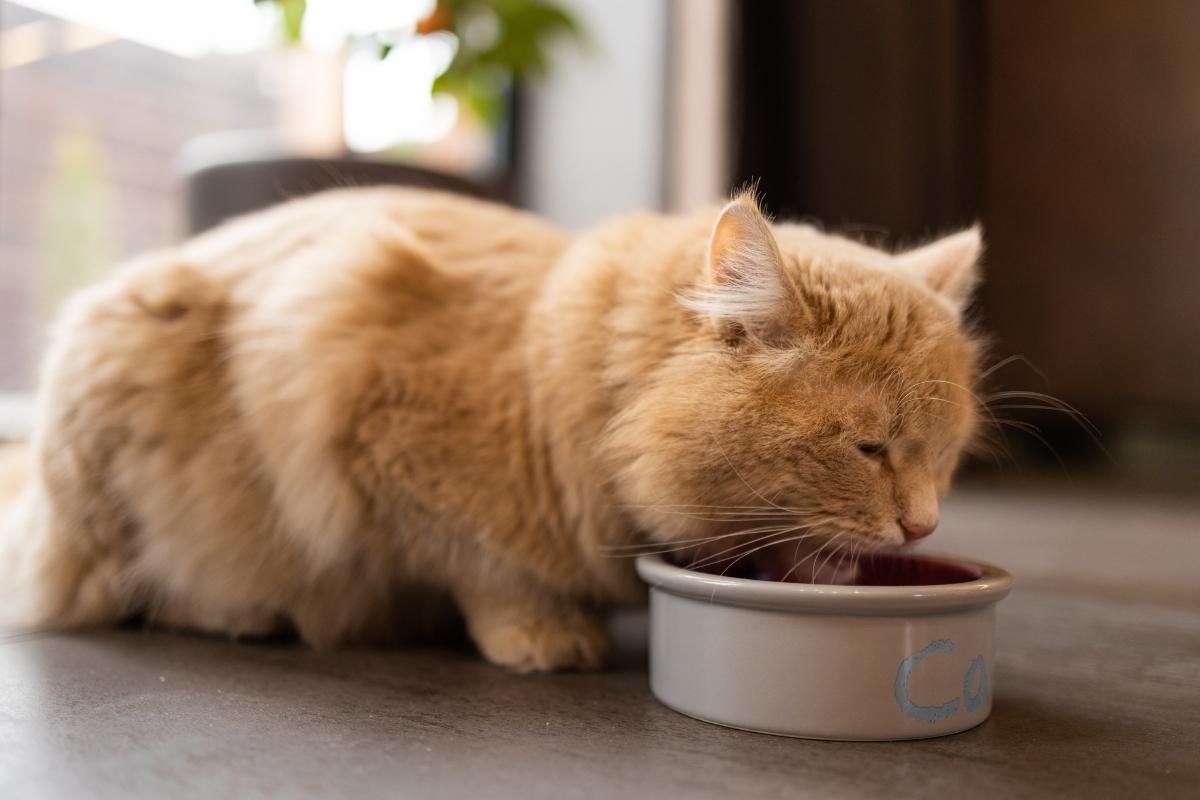
As cats age, their nutritional needs evolve. Feeding your senior cat the right diet is essential to maintaining their energy, supporting their organs, and improving their overall quality of life. A balanced diet tailored to aging cats can help manage common age-related conditions and keep your feline comfortable in their golden years.
Why Senior Cats Need Specialized Nutrition
Senior cats experience changes in metabolism, digestion, and activity levels. They often require fewer calories but higher-quality nutrients to maintain a healthy weight and muscle mass.
Additionally, older cats are more prone to conditions like kidney disease, arthritis, and diabetes. A well-planned diet helps manage these issues while supporting long-term health.
Essential Nutrients for Senior Cats
1. High-Quality Protein
Protein is crucial for maintaining muscle mass in aging cats. Look for easily digestible sources like chicken, turkey, or fish to support strength and mobility.
2. Healthy Fats
Controlled amounts of healthy fats provide energy and support joint health. Omega-3 fatty acids from fish oil can help reduce inflammation and improve mobility.
3. Fiber for Digestion
Fiber helps regulate digestion and prevent constipation, which is common in older cats. Ingredients like pumpkin and sweet potato are excellent natural sources.
4. Antioxidants
Vitamins such as C and E help strengthen the immune system and reduce inflammation, supporting overall wellness.
5. Low Phosphorus
Lower phosphorus levels are important for protecting kidney function, especially in senior cats at risk of kidney disease.
Best Food Options for Senior Cats
Wet Food
Wet food is highly recommended due to its moisture content, which helps keep cats hydrated and supports kidney health. It’s also easier to chew and digest.
High-Quality Dry Food
If your cat prefers dry food, choose options rich in protein and low in unnecessary fillers. Always provide fresh water to maintain hydration.
Prescription Diets
For cats with specific health conditions, prescription diets can provide targeted nutrition. These are formulated to support issues like kidney disease or diabetes.
Home-Cooked Meals
Homemade meals can be beneficial if properly balanced. Always consult your veterinarian to ensure your cat receives all essential nutrients.
Hydration Is Key for Senior Cats
Many senior cats don’t drink enough water, increasing the risk of kidney and urinary issues. To improve hydration:
- Offer fresh water daily
- Use a pet water fountain
- Add water or broth to meals
- Include wet food in their diet
Special Considerations for Aging Cats
Joint Health Support
Look for foods containing glucosamine and chondroitin to help manage arthritis and improve mobility.
Easy-to-Eat Textures
Soft or wet foods are ideal for cats with dental issues or reduced chewing ability, making meals more comfortable.
Tips to Make Mealtime Easier
- Serve smaller, more frequent meals
- Keep food bowls in quiet, accessible areas
- Use raised bowls for cats with mobility issues
- Serve food at room temperature for better taste and aroma
Support Your Senior Cat’s Health with Expert Care
Proper nutrition plays a vital role in your cat’s long-term health. Along with a balanced diet, routine veterinary visits and senior cat dental care help prevent complications and improve quality of life.
If you need guidance on choosing the best diet for your aging cat, don’t hesitate to book an appointment with Valley Animal Hospital. Their experienced team can create a personalized nutrition and wellness plan for your feline companion.
FAQs
Q1. What is the best food for senior cats with kidney disease?
Low-phosphorus diets with high-quality protein are ideal. Prescription diets are often recommended for managing kidney health.
Q2. How do I know if my senior cat is getting proper nutrition?
Signs like weight loss, low energy, or dull coat may indicate nutritional issues. Regular vet checkups help monitor health.
Q3. Can I feed my senior cat homemade food?
Yes, but it must be nutritionally balanced. Consult your veterinarian before making dietary changes.
Q4. Is wet food necessary for senior cats?
While not mandatory, wet food helps with hydration and is easier to eat, making it highly beneficial.
Q5. Can senior cats eat kitten food?
No, kitten food contains higher calories and nutrients that may not suit senior cats’ needs.
Q6. How can I improve my cat’s hydration?
Provide fresh water, incorporate wet food, and consider using a water fountain to encourage drinking.