1786 N. Riverside Ave Suite #1, Rialto, CA 92376


Why Routine Blood Tests Are Essential for Senior Dog Health
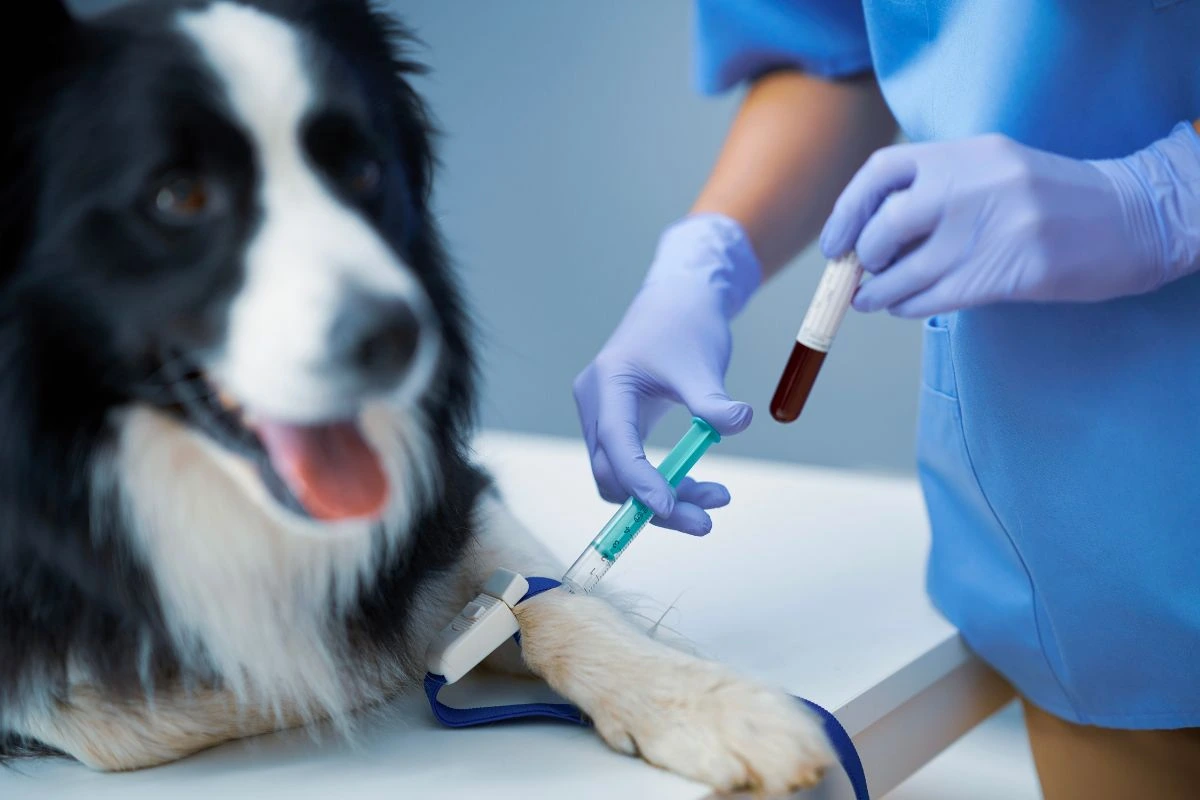
As dogs age, their health needs evolve, requiring more attentive monitoring and proactive care. One of the most important aspects of senior pet care is regular blood testing. These tests provide valuable insights into your dog’s internal health, often detecting issues before visible symptoms appear.
By incorporating routine blood work into your dog’s wellness plan, you can ensure they enjoy a longer, healthier, and more comfortable life. For pet owners in Rialto, understanding the value of preventive veterinary care is key to supporting aging companions.
Understanding the Importance of Blood Tests for Senior Dogs
Blood tests are a simple yet powerful diagnostic tool. They allow veterinarians to evaluate how well your dog’s organs and body systems are functioning.
As dogs grow older, they become more susceptible to chronic conditions such as:
- Kidney disease
- Liver disorders
- Diabetes
- Thyroid imbalances
Routine blood testing helps detect these issues early, making treatment more effective. This proactive approach is a cornerstone of quality senior pet care.
What Blood Tests Reveal About Your Dog’s Health
Blood tests provide a comprehensive overview of your dog’s health by analyzing different markers in the bloodstream.
Kidney Function
Kidney disease is common in senior dogs and often develops without noticeable symptoms. Blood tests measure:
- Blood urea nitrogen (BUN)
- Creatinine levels
Early detection allows for dietary adjustments and treatment that can slow disease progression.
Liver Health
The liver plays a vital role in detoxification and metabolism. Blood tests evaluate liver enzymes to identify:
- Inflammation
- Infection
- Liver disease
Monitoring liver health is essential for maintaining overall wellness in aging dogs.
Thyroid Levels
Hormonal imbalances, especially hypothyroidism, are common in senior dogs.
Symptoms may include:
- Weight gain
- Lethargy
- Skin and coat issues
Blood tests measure thyroid hormone levels, enabling accurate diagnosis and treatment.
Blood Cell Count
A complete blood count (CBC) helps detect:
- Anemia
- Infection
- Immune system disorders
Identifying abnormalities early helps prevent complications and supports effective treatment.
Blood Sugar Levels
Senior dogs are at increased risk of diabetes. Blood tests monitor glucose levels, helping veterinarians diagnose and manage the condition before it becomes severe.
Why Early Detection Matters
Many serious health conditions in dogs develop silently. By the time symptoms appear, the disease may already be advanced.
Routine blood testing helps:
- Identify health issues early
- Improve treatment success rates
- Reduce the risk of complications
- Enhance your dog’s quality of life
Early detection is one of the most effective ways to ensure your dog receives the best possible veterinary care.
How Often Should Senior Dogs Have Blood Tests?
Most veterinarians recommend annual blood tests for senior dogs. However, depending on your dog’s health status, more frequent testing may be necessary.
Factors that influence testing frequency include:
- Age
- Breed
- Existing medical conditions
- Lifestyle
Regular checkups allow your veterinarian to track changes over time and adjust care plans accordingly.
The Role of Veterinary Care in Senior Dog Wellness
Routine visits to a trusted veterinary clinic are essential for maintaining your dog’s health as they age.
During wellness exams, veterinarians:
- Perform physical assessments
- Review medical history
- Recommend diagnostic tests
- Provide personalized treatment plans
At The Valley Animal Hospital in Rialto, comprehensive veterinary care focuses on early detection, prevention, and long-term health management for senior pets.
Supporting Overall Senior Pet Care
Blood tests are just one part of a complete senior pet care plan. Other important components include:
Proper Nutrition
Senior dogs may require specialized diets to support organ health and maintain a healthy weight.
Joint and Mobility Support
Aging dogs often experience arthritis or joint stiffness. Supplements and medications can improve mobility.
Dental Care
Oral health issues can affect overall well-being. Regular dental cleanings help prevent infections.
Comfort and Environment
Providing a comfortable living space with soft bedding and easy access to essentials improves quality of life.
Signs Your Senior Dog May Need a Blood Test
Even with routine care, it’s important to watch for changes in your dog’s behavior or health.
Common warning signs:
- Increased thirst or urination
- Sudden weight changes
- Loss of appetite
- Lethargy
- Vomiting or diarrhea
If you notice any of these symptoms, it’s important to seek prompt veterinary care.
Senior Dog Care in Rialto
For pet owners in Rialto, having access to reliable veterinary services is essential. Regular blood testing, combined with preventive care, ensures your senior dog receives the attention they need at every stage of life.
If you have concerns about your dog’s health or it’s time for their routine screening, schedule an appointment with The Valley Animal Hospital. Their experienced team is dedicated to providing compassionate and comprehensive senior pet care tailored to your dog’s unique needs.
Helping Your Senior Dog Live a Longer, Healthier Life
Caring for a senior dog requires commitment, but the rewards are immeasurable. By staying proactive and prioritizing regular blood tests, you can detect potential health issues early and take action before they become serious.
With the right combination of monitoring, nutrition, and professional veterinary care, your dog can continue to enjoy a happy and comfortable life in their golden years.
FAQs
Q1. How often should senior dogs get blood tests?
Ans. Most senior dogs should have blood tests at least once a year, though more frequent testing may be recommended based on health conditions.
Q2. What conditions can blood tests detect?
Ans. Blood tests can identify kidney disease, liver issues, diabetes, thyroid imbalances, anemia, and infections.
Q3. Are blood tests safe for senior dogs?
Ans. Yes, blood tests are safe, routine procedures that provide valuable health insights.
Q4. Can blood tests detect cancer?
Ans. While not definitive, blood tests can reveal abnormalities that may indicate serious conditions, including cancer.
Q5. Why is early detection important?
Ans. Early detection allows for timely treatment, improving outcomes and preventing complications.
Q6. When should I schedule a blood test for my dog?
Ans. If your dog is aging or showing symptoms, it’s best to schedule an appointment with The Valley Animal Hospital for a comprehensive evaluation.