1786 N. Riverside Ave Suite #1, Rialto, CA 92376

How to Keep Dogs and Cats Calm During Halloween Noise
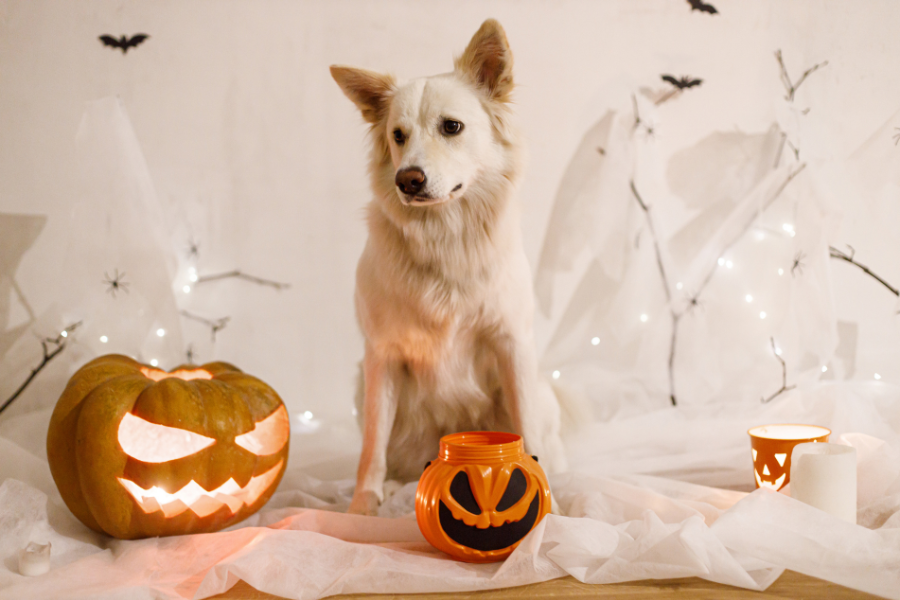
Halloween celebrations in Rialto and other areas in CA often bring loud music, frequent doorbell ringing, excited visitors, and occasional fireworks. While these activities create a festive atmosphere, they can overwhelm dogs and cats.
Pets have sensitive hearing and may react strongly to unfamiliar or unpredictable sounds. Some become restless or frightened, while others hide, bark excessively, or attempt to escape.
Keeping dogs and cats calm during Halloween involves reducing noise exposure, providing a secure resting area, maintaining familiar routines, and recognizing signs of distress. Understanding how different sounds affect pets can help families throughout Rialto and nearby communities prepare for a safer celebration.
Why Does Halloween Noise Frighten Dogs and Cats?
Dogs and cats can detect sounds that humans may barely notice. Sudden noises can trigger a fear response, especially when animals cannot identify where the sound is coming from.
Three common Halloween noise triggers include:
- Fireworks: Unexpected explosions and vibrations may cause intense fear, trembling, or escape attempts.
- Loud music: Continuous high-volume music and heavy bass can make pets uncomfortable and prevent them from relaxing.
- Doorbells and knocking: Repeated ringing and unfamiliar voices may trigger barking, hiding, or defensive behavior.
Previous frightening experiences, limited exposure to unfamiliar sounds, and existing anxiety may increase sensitivity.
What Are the Signs of Halloween Noise Anxiety in Pets?
Dogs and cats express stress differently. Recognizing behavioral changes early allows pet owners to reduce exposure before distress escalates.
Signs of Anxiety in Dogs
- Excessive barking, whining, or pacing
- Trembling, panting, or drooling
- Hiding behind furniture
- Flattened ears or a tucked tail
- Scratching doors or attempting to escape
Signs of Anxiety in Cats
- Hiding for extended periods
- Flattened ears or dilated pupils
- Hissing, growling, or unusual vocalization
- Reduced interest in food
- Avoiding familiar people or spaces
These behaviors may indicate fear, but similar symptoms can occur with pain or medical conditions. Persistent or unexplained changes require veterinary evaluation.
How Can You Keep Your Pets Calm During Halloween Fireworks?
Fireworks can be particularly distressing because their timing and intensity are unpredictable.
- Move your pets indoors before celebrations begin. Close windows, curtains, and exterior doors to reduce noise and visual stimulation.
- Provide a familiar resting area with bedding, water, and toys. Soft background music or white noise may help mask distant sounds.
- Avoid forcing frightened animals out of hiding. Let them stay in a secure place while you check on their comfort.
- Keep identification tags and microchip registration details current in case a frightened pet escapes.
How Can You Reduce Stress From Loud Halloween Music?
Halloween parties may expose pets to unfamiliar guests, loud conversations, and continuous music.
Choose a separate room away from speakers and gathering areas. Keep the temperature comfortable and provide access to water.
Dogs may benefit from familiar food puzzles or chew toys if they remain interested in eating. Cats should have access to hiding places, elevated resting areas, and their litter boxes.
Avoid placing speakers near your pet’s resting area. Lower the music volume and limit unexpected interruptions to reduce unnecessary stimulation.
How Should You Manage Doorbells and Trick-or-Treaters?
Repeated doorbell ringing can trigger excitement, territorial barking, or fear.
Consider greeting trick-or-treaters outside while keeping pets safely indoors. A sign requesting visitors to avoid ringing the bell may also help.
If your dog becomes distressed, move them away from the entrance before opening the door.
For pets with recurring noise anxiety, consult a vet near you before Halloween. Dr. Elsberg can evaluate behavioral concerns and discuss appropriate management strategies.
If your pet collapses, has breathing difficulty, sustains a severe injury, or shows uncontrollable distress, call our animal hospital now for urgent guidance.
When Does Halloween Noise Anxiety Require Veterinary Care?
Mild nervousness that resolves after the noise stops may be monitored at home. However, repeated panic, destructive behavior, prolonged hiding, or difficulty returning to normal activities warrants veterinary attention.
A veterinary examination can help identify underlying medical concerns and determine whether behavioral training or medication may be appropriate.
Never administer human calming medications or change prescribed medication doses without veterinary instructions.
Help Your Pets Feel Safer During Halloween in Rialto
Halloween celebrations should not leave your pets frightened or overwhelmed. Reducing noise exposure, creating a comfortable environment, and recognizing signs of anxiety can help protect their emotional and physical well-being.
At Valley Animal Hospital, our veterinary team can evaluate noise-related behavioral concerns and help you prepare your dog or cat for Halloween activities.
If your pet becomes distressed by fireworks, music, or frequent visitors, schedule an appointment with a veterinarian in Rialto.
Call our hospital at +1 (909) 877-2384 to discuss your pet’s behavior and receive guidance on managing Halloween noise anxiety.
Frequently Asked Questions
1. Can Halloween fireworks cause long-term anxiety in dogs?
Ans: Repeated frightening experiences may increase sensitivity to loud sounds. Early behavioral support and veterinary guidance can help address developing noise-related fears.
2. Why does my cat hide when Halloween music starts?
Ans: Cats may hide when unfamiliar sounds make their environment feel unsafe. Provide a quiet retreat and avoid forcing interaction. Our veterinary team can evaluate persistent behavioral changes.
3. Can dogs become sick from Halloween noise anxiety?
Ans: Severe stress may contribute to digestive upset, reduced appetite, or excessive panting. These symptoms can also have medical causes. Contact our veterinary team if they persist.
4. Should I comfort my dog when fireworks frighten them?
Ans: Yes. Calm reassurance and letting your dog stay near you may provide comfort. Avoid forcing physical contact. Our veterinary team can discuss additional calming strategies.
5. Can veterinarians prescribe medication for noise-sensitive pets?
Ans: Prescription medication may help some animals with significant noise anxiety. A veterinary examination is necessary to determine appropriate options and assess underlying health concerns.
6. How early should I prepare my pet for Halloween noise?
Ans: Begin several weeks before Halloween when possible. Gradual sound exposure at a comfortable volume may help some pets. Veterinary guidance is recommended for animals with significant fear.