1786 N. Riverside Ave Suite #1, Rialto, CA 92376


How Much Exercise Does a Puppy Really Need?
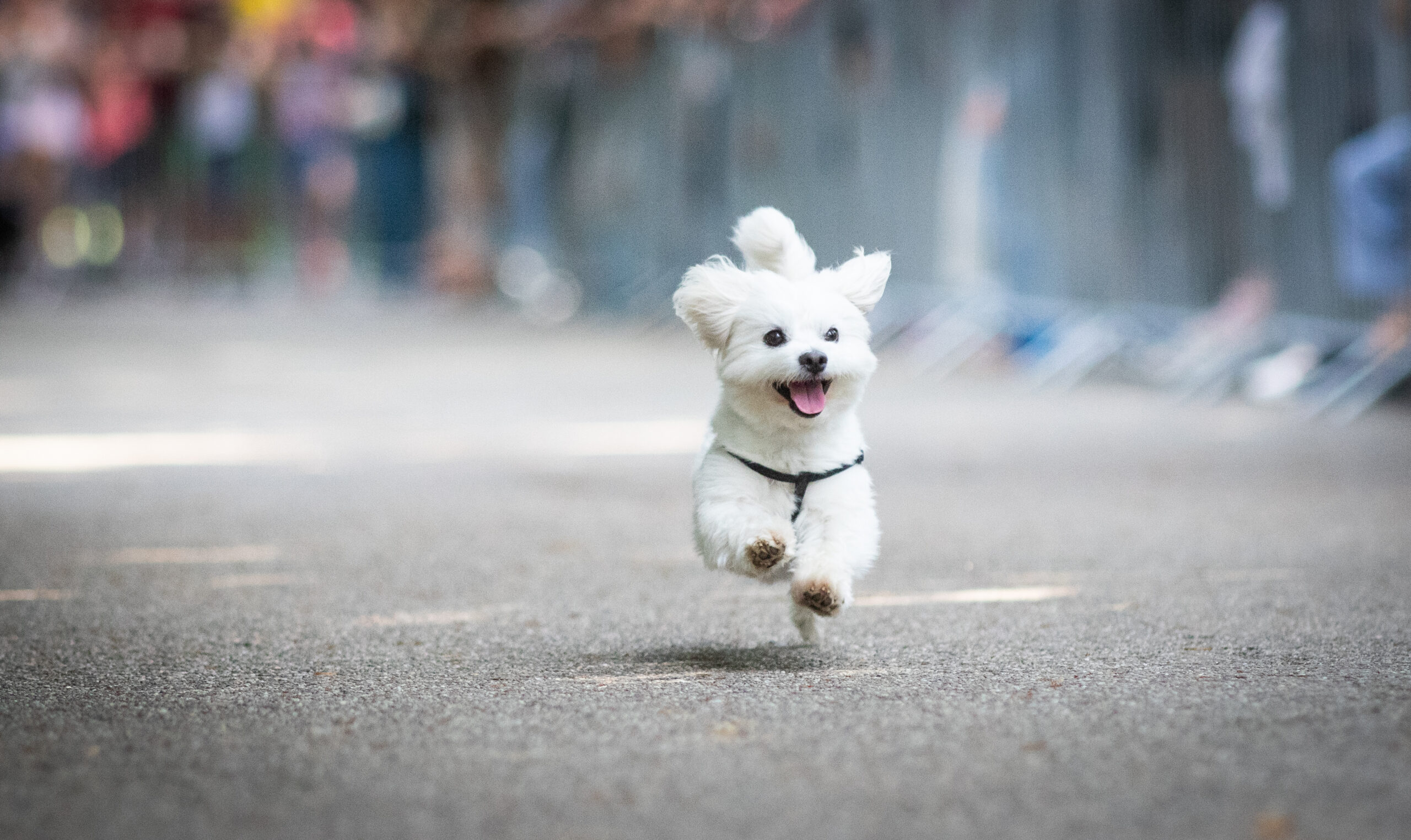
Bringing home a new puppy is an exciting experience. Puppies are full of energy, curiosity, and playfulness, which makes them incredibly fun companions. However, along with the joy of having a new furry friend comes the responsibility of meeting their physical and mental needs. One of the most common questions new pet owners ask is: How much exercise does a puppy really need?
Providing the right amount of exercise is essential for your puppy’s healthy growth, behavior, and overall well-being. At Valley Animal Hospital in Rialto, CA, we often remind pet owners that a balanced exercise routine helps puppies stay healthy while preventing boredom and destructive behaviors.
Why Exercise Is Important for Puppies
Exercise is not just about burning off extra energy. Regular physical activity plays an important role in your puppy’s development.
Proper exercise helps puppies:
- Build strong muscles and bones
- Maintain a healthy weight
- Improve heart and lung health
- Develop social skills
- Reduce anxiety and boredom
- Prevent behavioral issues like chewing or excessive barking
Puppies that receive regular physical and mental stimulation are often happier, calmer, and easier to train.
The General Rule for Puppy Exercise
A helpful guideline many veterinarians recommend is the “five-minute rule.” This rule suggests giving puppies about five minutes of exercise per month of age, up to twice a day.
For example:
- 2-month-old puppy: about 10 minutes of exercise
- 3-month-old puppy: about 15 minutes
- 4-month-old puppy: about 20 minutes
- 6-month-old puppy: about 30 minutes
These sessions can include walks, gentle play, or training activities. As your puppy grows, their stamina and exercise needs will gradually increase.
However, every dog is different. Breed, size, and overall health can affect how much activity your puppy requires.
Types of Exercise That Are Best for Puppies
Not all exercise needs to be intense. In fact, puppies benefit most from safe, controlled, and low-impact activities.
Short Walks
Short daily walks are a great way for puppies to explore their environment and burn energy. Walking also helps with leash training and socialization.
Playtime
Play is one of the best ways for puppies to stay active. Games like fetch, tug-of-war, or interactive toys keep them physically and mentally engaged.
Training Sessions
Training activities also count as exercise. Teaching your puppy commands like sit, stay, and come helps stimulate their mind while strengthening your bond.
Socialization
Allowing your puppy to interact with other vaccinated dogs in safe environments helps them learn social skills and build confidence.
Signs Your Puppy Needs More Exercise
Sometimes puppies show clear signs when they need more activity. If your puppy has extra energy, you may notice behaviors such as:
- Chewing on furniture or household items
- Excessive barking
- Digging in the yard
- Hyperactivity indoors
- Difficulty settling down
Adding a bit more structured playtime or exercise can often help reduce these behaviors.
Signs Your Puppy May Be Overexercised
While exercise is important, too much activity can be harmful for growing puppies. Their bones and joints are still developing, so excessive exercise can increase the risk of injury.
Watch for signs like:
- Limping or stiffness
- Excessive panting
- Reluctance to walk or play
- Extreme fatigue
If you notice these symptoms, give your puppy time to rest and contact your veterinarian if the problem continues.
Create a Consistent Exercise Routine
Puppies thrive on routine. Creating a regular schedule for walks, playtime, meals, and rest helps your puppy feel secure and balanced.
A typical daily routine might include:
- Morning walk or play session
- Short training activity during the day
- Afternoon or evening playtime
- Calm interaction before bedtime
Consistency also makes it easier to manage your puppy’s energy levels and training progress.
Supporting Your Puppy’s Health Through Proper Exercise
Exercise is a key part of raising a healthy and well-behaved dog. The right balance of physical activity, mental stimulation, and rest allows puppies to grow into strong and confident adult dogs.
If you are unsure how much activity your puppy needs, consulting with a veterinarian can help you create the right routine for your pet’s age, breed, and health condition.
At Valley Animal Hospital in Rialto, CA, our veterinary team is happy to help guide you through every stage of your puppy’s development—from wellness exams and vaccinations to nutrition and exercise recommendations.
With the right care and attention, your puppy can enjoy a happy, active, and healthy life. If you’re in Rialto, CA, and looking for a veterinarian near you, schedule an appointment with Valley Animal Hospital. Our veterinary team is here to provide the care your pet deserves.
Frequently Asked Questions (FAQs)
1. How often should I exercise my puppy?
Most puppies benefit from two short exercise sessions per day, along with regular playtime and training activities.
2. Can puppies go on long walks?
Long walks are not recommended for young puppies. Short walks and gentle play are better for their developing bones and joints.
3. Do certain dog breeds need more exercise as puppies?
Yes. High-energy breeds like Border Collies, Labradors, and Australian Shepherds may require more exercise than smaller or low-energy breeds.
4. Is playtime enough exercise for a puppy?
Playtime provides excellent exercise and mental stimulation, especially when combined with short walks and training sessions.
5. When can puppies start more intense exercise?
Most dogs can gradually increase activity levels after 12–18 months, once their bones and joints are fully developed. Your veterinarian can provide guidance based on your dog’s breed and growth.