1786 N. Riverside Ave Suite #1, Rialto, CA 92376

Dry and Cracked Dog Nose? Here’s What Pet Owners Need to Know
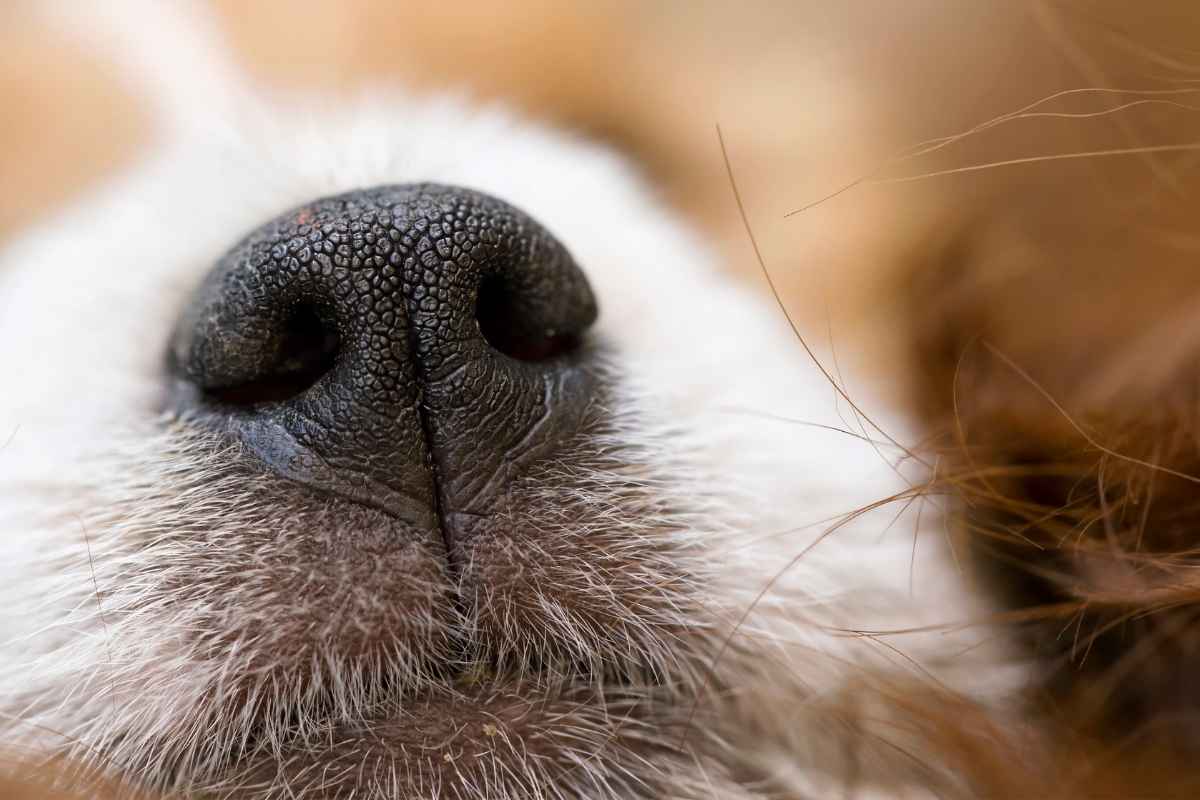
A dog’s nose does more than help them sniff out treats or recognize familiar scents, it can also offer clues about their overall health. While many pet owners assume a dry nose automatically means illness, that’s not always true. However, persistent dryness, cracking, crusting, or bleeding can indicate an underlying issue that deserves attention.
At Valley Animal Hospital in Rialto, we often hear concerns from pet owners about changes in their dog’s nose texture or appearance. Understanding the possible causes can help you know when home care is enough and when it’s time to seek veterinary support.
Is It Normal for a Dog’s Nose to Be Dry?
Yes, sometimes. A dog’s nose naturally changes throughout the day. Many dogs wake up with a warm or dry nose after sleeping because they haven’t been licking it. Weather conditions, indoor heating, mild dehydration, or spending time in the sun can also temporarily dry out the nose.
A healthy nose may be:
- Cool and moist at times
- Warm and dry occasionally
- Slightly textured but not painful
- Free from deep cracks or bleeding
The concern begins when the dryness becomes persistent or is accompanied by other symptoms.
Common Causes of a Dry and Cracked Dog Nose
1. Weather and Environmental Factors
Dry climates, excessive sun exposure, cold winds, and indoor heating systems can all contribute to nose dryness. Dogs in warmer climates like Rialto may experience more irritation during hot summer months.
Outdoor dogs are especially vulnerable to:
- Sunburn
- Wind irritation
- Dehydration
- Heat-related dryness
If your dog spends a lot of time outdoors, providing shade and fresh water can help protect their nose from environmental damage.
2. Mild Dehydration
Just like humans, dogs need proper hydration for healthy skin and tissues. A dehydrated dog may develop:
- Dry nose
- Sticky gums
- Lethargy
- Reduced appetite
Make sure your dog always has access to clean, fresh water, especially after exercise or outdoor activity.
3. Allergies
Environmental or food allergies can irritate the skin around the nose. Dogs may develop dryness, redness, itching, or crusting after exposure to allergens such as:
- Pollen
- Dust
- Cleaning chemicals
- Plastic food bowls
- Certain foods
Some dogs develop contact dermatitis from plastic bowls, making stainless steel or ceramic bowls a safer alternative.
4. Sunburn
Dogs with light-colored noses or thin fur around the face are more susceptible to sunburn. Repeated sun exposure may cause:
- Peeling
- Cracking
- Redness
- Painful sores
Over time, chronic sun damage can increase the risk of more serious skin conditions. Pet-safe sunscreen recommended by your veterinarian may help protect sensitive noses.
5. Hyperkeratosis
Nasal hyperkeratosis occurs when excess keratin builds up on the nose, causing thick, rough, or crusty skin. This condition is more common in older dogs and certain breeds.
Signs may include:
- Hard crusts on the nose
- Dry, thickened texture
- Cracks or fissures
- Sensitivity or discomfort
Although mild cases may be manageable, severe hyperkeratosis may require veterinary treatment to prevent infection or pain.
6. Underlying Medical Conditions
Sometimes a persistently cracked nose can point to a more serious health concern. Certain autoimmune disorders, infections, or skin diseases may affect the nose’s appearance and moisture levels.
Conditions associated with nose abnormalities include:
- Lupus
- Pemphigus
- Distemper
- Fungal infections
- Bacterial skin infections
If your dog also has symptoms like fever, lethargy, appetite loss, coughing, or unusual skin lesions, veterinary evaluation is important.
Symptoms That Should Not Be Ignored
A mildly dry nose is usually not an emergency, but pet owners should monitor for warning signs such as:
- Deep cracks
- Bleeding
- Swelling
- Thick crust formation
- Loss of nose pigmentation
- Pain when touched
- Nasal discharge
- Difficulty breathing
- Changes in appetite or energy levels
These symptoms may indicate an infection, autoimmune condition, or another medical issue requiring treatment.
How Veterinarians Diagnose Nose Problems in Dogs
At Valley Animal Hospital, diagnosing a dry or cracked nose starts with a thorough physical examination and review of your dog’s medical history.
Depending on your dog’s symptoms, your veterinarian may recommend:
- Skin scrapings
- Allergy testing
- Blood work
- Biopsy of affected tissue
- Fungal or bacterial cultures
Identifying the root cause helps determine the most effective treatment plan.
Treatment Options for a Dry or Cracked Dog Nose
Treatment depends on the underlying cause of the dryness. Mild cases may improve with simple at-home care, while medical conditions require targeted veterinary treatment.
Moisturizing Balms and Ointments
Pet-safe nose balms can help soothe dryness and protect cracked skin. Avoid using human lotions or products containing zinc oxide, fragrances, or essential oils, as these may be harmful to dogs.
Veterinary-approved moisturizers can:
- Restore moisture
- Reduce cracking
- Promote healing
- Improve comfort
Hydration and Nutrition
Proper hydration supports healthy skin and tissue repair. Feeding a balanced diet rich in essential fatty acids may also improve skin health.
Omega-3 fatty acids can help:
- Reduce inflammation
- Support skin moisture
- Improve coat condition
Allergy Management
If allergies are contributing to nose irritation, your veterinarian may recommend:
- Diet changes
- Allergy medications
- Antihistamines
- Environmental management strategies
Treatment for Infections or Autoimmune Disease
Bacterial or fungal infections may require prescription medications, while autoimmune conditions often need long-term management with specialized therapies.
Early diagnosis can help prevent complications and improve your dog’s quality of life.
Can You Prevent a Dry Dog Nose?
While not every case is preventable, there are several ways to reduce the risk of nose dryness and cracking.
Keep Your Dog Hydrated
Always provide fresh water and encourage regular drinking, especially during hot weather.
Limit Excessive Sun Exposure
Avoid prolonged outdoor time during peak afternoon heat and consider shaded areas during walks or playtime.
Use Pet-Safe Products
Avoid harsh shampoos, cleaners, or skincare products that may irritate sensitive skin.
Maintain Regular Veterinary Visits
Routine wellness exams can help identify skin or immune-related problems before they worsen.
Monitor Seasonal Changes
Indoor heating during winter and dry summer air can both affect nose moisture levels. Monitoring changes throughout the year can help you catch problems early.
When Should You Book an Appointment?
If your dog’s nose remains dry for several days or develops cracking, bleeding, crusting, or discomfort, it’s best to schedule a veterinary evaluation.
You should especially book an appointment if your dog:
- Seems painful or uncomfortable
- Has recurring nose problems
- Develops discharge or sores
- Shows other signs of illness
- Experiences worsening symptoms despite home care
The veterinary team at Valley Animal Hospital proudly supports pets throughout Rialto and surrounding communities with compassionate preventive and medical care.
Final Thoughts
A dry nose doesn’t always mean your dog is sick, but persistent cracking, crusting, or irritation should never be ignored. Environmental conditions, allergies, dehydration, and medical conditions can all affect your dog’s nose health.
Paying attention to changes in texture, color, or sensitivity can help you catch potential problems early. With proper care and veterinary guidance, most dogs can find relief and return to feeling comfortable again.
If your dog’s symptoms persist or worsen, don’t wait to book an appointment with your veterinarian for a professional evaluation.
FAQs
1. Is a dry dog nose always a sign of illness?
No. Dogs can naturally have a dry nose after sleeping or spending time in warm environments. Persistent dryness with cracking or other symptoms may require veterinary attention.
2. Can I use Vaseline on my dog’s nose?
It’s best to avoid human products unless your veterinarian specifically recommends them. Pet-safe nose balms are a safer option.
3. Why is my dog’s nose cracked and bleeding?
Cracking and bleeding may result from severe dryness, infection, hyperkeratosis, sunburn, or autoimmune disease. A veterinary exam is recommended.
4. Which dog breeds are more prone to dry noses?
Breeds such as Bulldogs, Pugs, Labrador Retrievers, and older dogs are more likely to develop nasal hyperkeratosis or chronic dryness.
5. How can I keep my dog’s nose healthy?
Provide proper hydration, balanced nutrition, sun protection, and regular veterinary care to support healthy skin and nose tissue.
6. When should I worry about my dog’s dry nose?
You should contact your veterinarian if the nose becomes painful, cracked, bleeding, swollen, or accompanied by other signs of illness.