1786 N. Riverside Ave Suite #1, Rialto, CA 92376

Is It Normal? Understanding Why Dogs Lick Excessively
Dogs lick – it’s one of their most natural behaviors. But when licking becomes constant, intense, or focused on one area, it can leave pet owners wondering: Is this normal or a sign of something more serious? At Valley Animal Hospital in Rialto, we often help pet parents understand the difference between harmless habits and underlying health concerns.
In this guide, we’ll break down why dogs lick excessively, when to worry, and what you can do to help your furry companion.
Why Do Dogs Lick in the First Place?
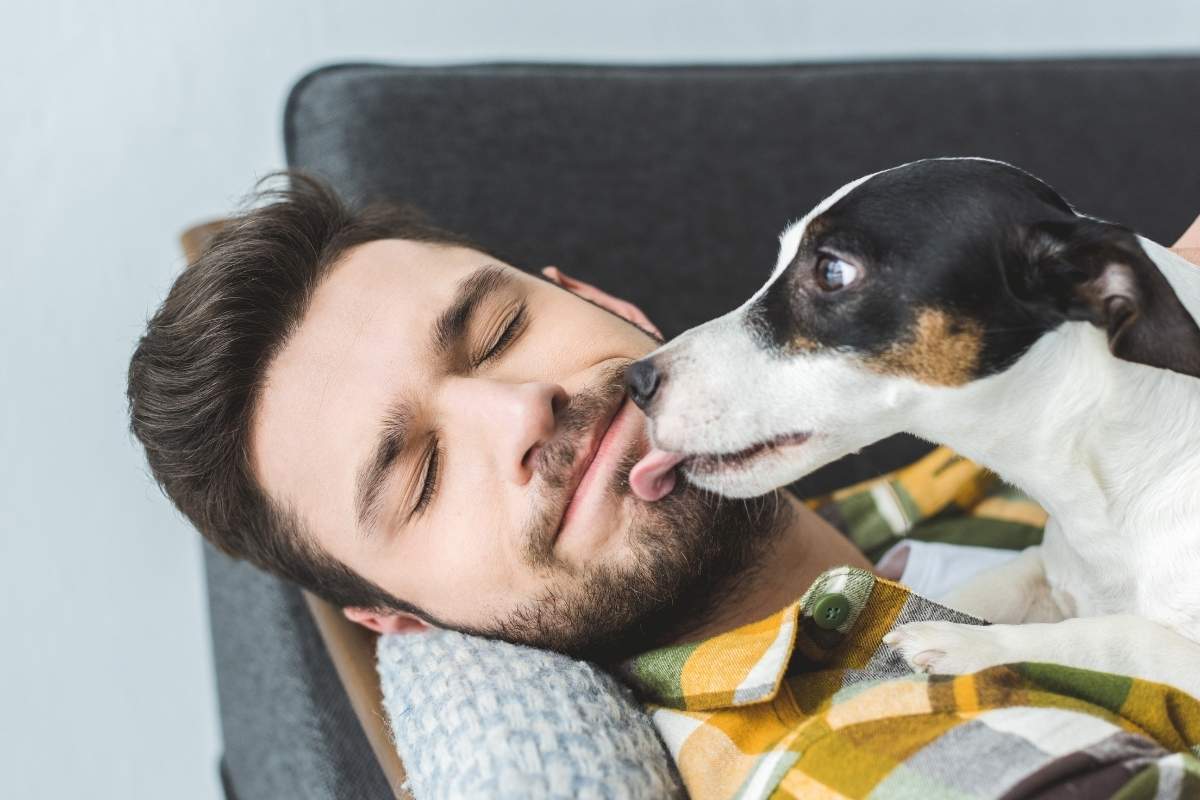
Licking is a completely normal behavior for dogs. It’s how they explore the world, communicate, and even comfort themselves. Puppies lick their mothers for attention, while adult dogs may lick humans or objects as a sign of affection.
Some common normal reasons include:
- Grooming themselves
- Showing affection or bonding
- Exploring new tastes or smells
- Seeking attention
However, when licking becomes repetitive or obsessive, it’s time to look deeper.
When Does Licking Become “Excessive”?
Occasional licking is harmless, but excessive licking is typically defined as:
- Constant licking for long periods
- Focusing on one specific area (like paws or legs)
- Causing redness, hair loss, or sores
- Interfering with daily activities like eating or sleeping
If you notice these signs, your dog may be trying to tell you something important about their health.
Common Causes of Excessive Licking in Dogs
1. Allergies (A Leading Cause)
Allergies are one of the most frequent reasons dogs lick excessively, especially their paws. These can be triggered by:
- Food ingredients
- Environmental factors like pollen or dust
- Flea bites
Dogs often lick to relieve itching and irritation, which can worsen the problem over time.
2. Skin Infections or Irritation
Bacterial or fungal infections can cause discomfort, leading to persistent licking. Hot spots red, inflamed areas are a common result of continuous licking and scratching.
3. Pain or Injury
Dogs may lick a specific area to soothe pain. This could be due to:
- Arthritis
- Cuts or wounds
- Joint discomfort
If your dog is repeatedly licking one spot, it’s worth checking for hidden injuries.
4. Anxiety or Stress
Just like humans bite their nails, dogs may lick as a coping mechanism. This is known as compulsive behavior.
Triggers may include:
- Separation anxiety
- Changes in environment
- Lack of mental stimulation
Over time, this can develop into a habit that’s difficult to break without intervention.
5. Parasites
Fleas, ticks, and mites can cause intense itching, leading to excessive licking and scratching. Even a single flea bite can trigger a reaction in sensitive dogs.
6. Digestive Issues or Nausea
Some dogs lick surfaces, floors, or even the air when they feel nauseous. This unusual behavior may point to underlying gastrointestinal problems.
Areas Dogs Commonly Lick and What It Means
Understanding where your dog is licking can offer clues:
- Paws: Allergies, irritants, or anxiety
- Legs or joints: Pain or arthritis
- Belly or groin: Skin infections or parasites
- Objects/floors: Possible digestive issues
Observing patterns can help your veterinarian pinpoint the cause more quickly.
When Should You See a Veterinarian?
You should seek professional care if:
- Licking becomes frequent or obsessive
- You notice sores, swelling, or hair loss
- Your dog seems uncomfortable or restless
- The behavior suddenly starts without a clear reason
If you’ve been searching for a veterinary hospital near me, getting timely care can prevent minor issues from becoming serious health problems.
How Valley Animal Hospital in Rialto Can Help
At Valley Animal Hospital, we take a comprehensive approach to diagnosing excessive licking. This may include:
- Thorough physical exams
- Skin testing or allergy evaluations
- Parasite screenings
- Nutritional and behavioral assessments
Treatment depends on the root cause and may involve medications, dietary adjustments, or behavioral therapy.
If your dog’s licking has you concerned, don’t hesitate to schedule an appointment with our experienced team in Rialto. Early intervention can make a big difference in your pet’s comfort and health.
Tips to Manage and Prevent Excessive Licking
While veterinary care is essential, here are some steps you can take at home:
Maintain Regular Grooming
Keeping your dog clean reduces irritants and helps you spot issues early.
Use Flea and Tick Prevention
Consistent parasite control is key to preventing itching and discomfort.
Provide Mental Stimulation
Interactive toys, walks, and training can reduce stress-related licking.
Monitor Diet
High-quality nutrition supports skin health and reduces allergy risks.
Avoid Harsh Chemicals
Limit exposure to cleaning products or lawn chemicals that may irritate your dog’s skin.
Final Thoughts
Excessive licking in dogs isn’t something to ignore. While it can sometimes be harmless, it’s often a sign of underlying issues like allergies, pain, or anxiety. Paying attention to your dog’s behavior and acting early can help keep them healthy and comfortable.
At Valley Animal Hospital in Rialto, we’re committed to helping your pet live a happy, itch-free life. If you’re ever unsure about your dog’s behavior, professional guidance is the best step forward.
Frequently Asked Questions
1. Is it normal for dogs to lick their paws every day?
Ans: Yes, occasional paw licking is normal for grooming. However, frequent or intense licking may indicate allergies or irritation.
2. Can excessive licking cause harm to my dog?
Ans: Absolutely. Constant licking can lead to sores, infections, and hair loss if left untreated.
3. How can I tell if my dog’s licking is due to anxiety?
Ans: If licking happens during stressful situations or when your dog is alone, it may be anxiety-related.
4. Should I stop my dog from licking wounds?
Ans: While mild licking can aid healing, excessive licking can delay recovery and cause infection. Protective measures may be needed.
5. What are home remedies for excessive licking?
Ans: Basic steps like grooming, flea prevention, and dietary improvements can help, but persistent issues require veterinary care.
6. When should I worry about my dog’s licking behavior?
Ans: If it’s constant, causes visible damage, or is paired with other symptoms, consult a veterinarian promptly.