1786 N. Riverside Ave Suite #1, Rialto, CA 92376


Warning Signs Your Dog or Cat May Need Urgent Pet Care
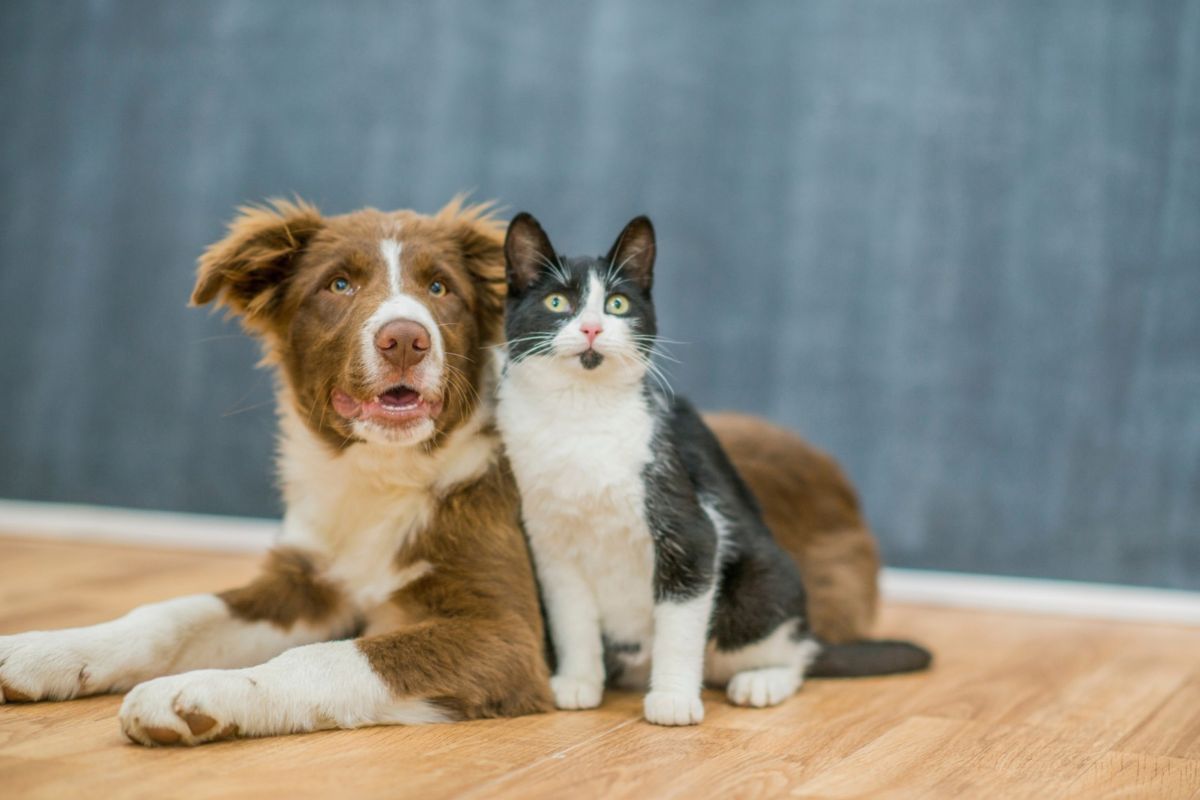
Pets cannot always communicate when they are uncomfortable or unwell. As a pet owner, you may notice small changes in your dog’s or cat’s behavior, appetite, energy level, or daily routine before realizing something is wrong. While some symptoms may be minor, others can indicate a condition that requires prompt veterinary attention.
Recognizing the warning signs of illness or injury can help you make informed decisions about your pet’s health. Knowing when to seek urgent pet care is especially important because certain conditions can worsen quickly without proper treatment.
Whether your pet suddenly stops eating, experiences repeated vomiting, develops breathing difficulties, or shows signs of pain, understanding these symptoms can help you respond appropriately. This guide explains common warning signs that dogs and cats may need urgent veterinary attention and what pet owners should do when these symptoms appear.
1. Sudden Changes in Appetite or Drinking Habits
A sudden loss of appetite can be an early indication that something is affecting your pet’s health. Dogs and cats may refuse food because of digestive problems, infections, dental discomfort, pain, or other underlying conditions.
Pay attention if your pet:
- Refuses multiple meals or suddenly stops eating.
- Shows interest in food but cannot chew or swallow comfortably.
- Drinks significantly more or less water than usual.
- Experiences vomiting after eating or drinking.
- Becomes unusually tired or withdrawn.
Cats require particular attention when they stop eating because prolonged food refusal can lead to additional health complications. If your pet refuses food or water, especially alongside other symptoms, contact a veterinarian for guidance.
2. Repeated Vomiting or Diarrhea
Occasional digestive upset may happen in pets, but repeated vomiting or diarrhea should not be ignored. These symptoms can result from dietary changes, intestinal infections, parasites, ingestion of inappropriate materials, or other medical conditions.
Watch for warning signs such as:
- Vomiting multiple times within a short period.
- Diarrhea that continues or becomes increasingly frequent.
- Blood in vomit or stool.
- Abdominal discomfort or unusual bloating.
- Weakness, reduced appetite, or signs of dehydration.
Puppies, kittens, and senior pets may be more vulnerable to fluid loss. Repeated vomiting or diarrhea can cause dehydration and may require prompt veterinary evaluation. Avoid giving human medications unless a veterinarian specifically recommends them.
3. Difficulty Breathing or Persistent Coughing
Changes in breathing are among the most concerning signs pet owners should recognize. Healthy dogs and cats generally breathe comfortably while resting. Unusual breathing patterns may indicate respiratory or cardiovascular problems.
Contact a veterinarian immediately if you notice:
- Rapid or labored breathing while resting.
- Open-mouth breathing in cats.
- Persistent coughing or unusual respiratory sounds.
- Blue, gray, or unusually pale gums.
- Neck extension or an unusual posture while trying to breathe.
Breathing difficulties should never be treated as a wait-and-see situation. Seek immediate veterinary attention rather than waiting for the symptoms to disappear.
4. Unusual Behavior, Weakness, or Sudden Collapse
Behavioral changes can provide important clues about your pet’s health. A normally active dog that suddenly becomes reluctant to move or a social cat that begins hiding may be experiencing discomfort or illness.
Some concerning changes include:
- Unusual lethargy or difficulty waking.
- Sudden weakness or inability to stand.
- Loss of balance or difficulty walking.
- Disorientation or unusual confusion.
- Sudden collapse or loss of consciousness.
These symptoms may be associated with neurological conditions, internal health problems, poisoning, or other serious concerns. Sudden collapse, seizures, or an inability to stand requires immediate veterinary assessment.
5. Signs of Pain, Injury, or Excessive Bleeding
Pets often hide pain, making it important to recognize physical and behavioral changes. An injured pet may become restless, avoid being touched, limp, or behave differently than usual.
Look for signs such as:
- Limping or refusing to put weight on a leg.
- Swelling, deep cuts, or open wounds.
- Continuous bleeding or bleeding that does not stop.
- Crying, growling, or reacting when touched.
- A swollen or painful abdomen.
Even when an injury appears minor, underlying damage may not be immediately visible. Excessive bleeding, deep wounds, or severe pain require prompt veterinary attention. Avoid applying household treatments or attempting to manage serious injuries without professional guidance.
6. Difficulty Urinating or Passing Stool
Changes in bathroom habits can indicate health problems that require timely evaluation. Straining, discomfort, or repeated attempts to urinate without producing urine should never be overlooked.
Important warning signs include:
- Repeated attempts to urinate with little or no urine.
- Crying or showing discomfort while urinating.
- Blood in the urine.
- Persistent straining while passing stool.
- Swelling or discomfort around the abdomen.
A urinary blockage, particularly in male cats, can become life-threatening without prompt treatment. If your pet cannot pass urine, seek immediate veterinary care. Do not wait to see whether the problem resolves on its own.
7. Sudden Swelling, Allergic Reactions, or Suspected Poisoning
Sudden physical changes can sometimes indicate an adverse reaction or exposure to something harmful. Pets may accidentally ingest household cleaners, certain plants, medications, or foods that are unsafe for them.
Watch for:
- Sudden swelling around the face or muzzle.
- Excessive drooling or repeated vomiting.
- Hives, itching, or unusual skin reactions.
- Tremors, seizures, or unusual movements.
- Sudden weakness or difficulty breathing.
If you suspect poisoning, contact a veterinarian immediately. Do not attempt to induce vomiting or administer home remedies unless specifically instructed by a veterinary professional. If possible, keep the product packaging or identify the substance your pet may have encountered.
What Should You Do If Your Pet Shows Warning Signs?
Recognizing symptoms is only the first step. Taking appropriate action can help your pet receive the care it needs.
Follow these steps when you notice concerning changes:
- Observe the symptoms: Note when the symptoms started, how frequently they occur, and whether they are getting worse.
- Keep your pet comfortable: Limit unnecessary movement and provide a quiet, safe environment.
- Avoid self-medication: Human medications and unapproved home remedies may worsen certain conditions.
- Contact a veterinarian: Explain the symptoms clearly and follow the recommended next steps.
- Seek prompt evaluation: Do not delay veterinary attention when symptoms are severe, sudden, or rapidly worsening.
If you are searching for an animal hospital near you, look for a veterinary team that can evaluate your pet’s symptoms and recommend appropriate treatment. Having a reliable veterinarian near you can make it easier to respond when unexpected health concerns arise.
How Valley Animal Hospital Helps Pets Needing Urgent Care in Rialto
When your pet experiences a sudden health concern, timely veterinary evaluation can help identify the underlying problem and determine the appropriate treatment. Depending on your pet’s symptoms, a veterinarian may recommend a physical examination, diagnostic testing, medication, wound care, or other treatment options.
If your dog or cat needs urgent pet care in Rialto, contact our animal hospital to discuss the symptoms and understand the next steps. Calling ahead allows the veterinary team to prepare for your pet’s arrival and provide guidance.
For urgent veterinary assistance, call us at (909) 877-2384 before visiting. The team can help assess your pet’s needs and explain the available care options.
At Valley Animal Hospital, we understand how important your pet’s health is to your family. Our veterinary team is committed to providing compassionate care, thorough evaluations, and appropriate treatment for pets experiencing sudden illnesses or injuries. If you notice unusual symptoms, do not ignore them. Seeking veterinary attention at the right time can help protect your pet’s comfort and well-being.
Frequently Asked Questions
1. What are the most common signs that my pet needs urgent pet care?
Ans: Common warning signs include repeated vomiting, persistent diarrhea, difficulty breathing, sudden weakness, unusual bleeding, difficulty urinating, and noticeable pain. These symptoms should be evaluated by a veterinarian promptly.
2. When should I take my dog to an animal hospital for sudden illness?
Ans: You should contact an animal hospital if your dog experiences repeated digestive problems, refuses food, develops sudden swelling, struggles to walk, or shows unusual behavioral changes. Severe symptoms require immediate veterinary attention.
3. Can cats hide signs of illness?
Ans: Yes. Cats often hide discomfort, so changes in their normal routines can be important warning signs. Hiding, reduced appetite, excessive grooming, unusual vocalization, and changes in litter box habits may indicate an underlying health concern.
4. What should I do if my pet suddenly starts vomiting?
Ans: Observe how frequently your pet vomits and look for additional symptoms such as weakness, diarrhea, abdominal discomfort, or blood. Avoid giving medications without veterinary advice and contact your veterinarian for guidance.
5. How can I find a veterinarian near you for urgent pet care in Rialto?
Ans: Look for an animal hospital that provides urgent evaluations and treatment for sudden illnesses and injuries. Contact the veterinary team before visiting to discuss your pet’s symptoms, confirm availability, and understand the next steps.