1786 N. Riverside Ave Suite #1, Rialto, CA 92376

Home Pet Care vs. Urgent Veterinary Care: What Owners Should Know
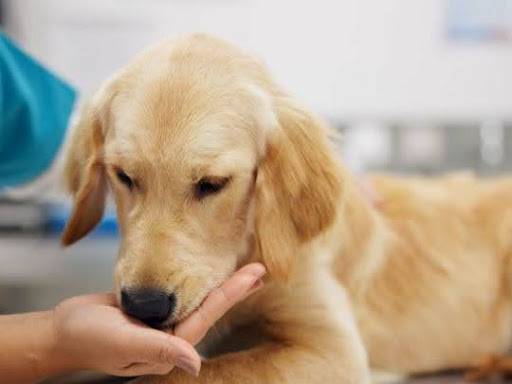
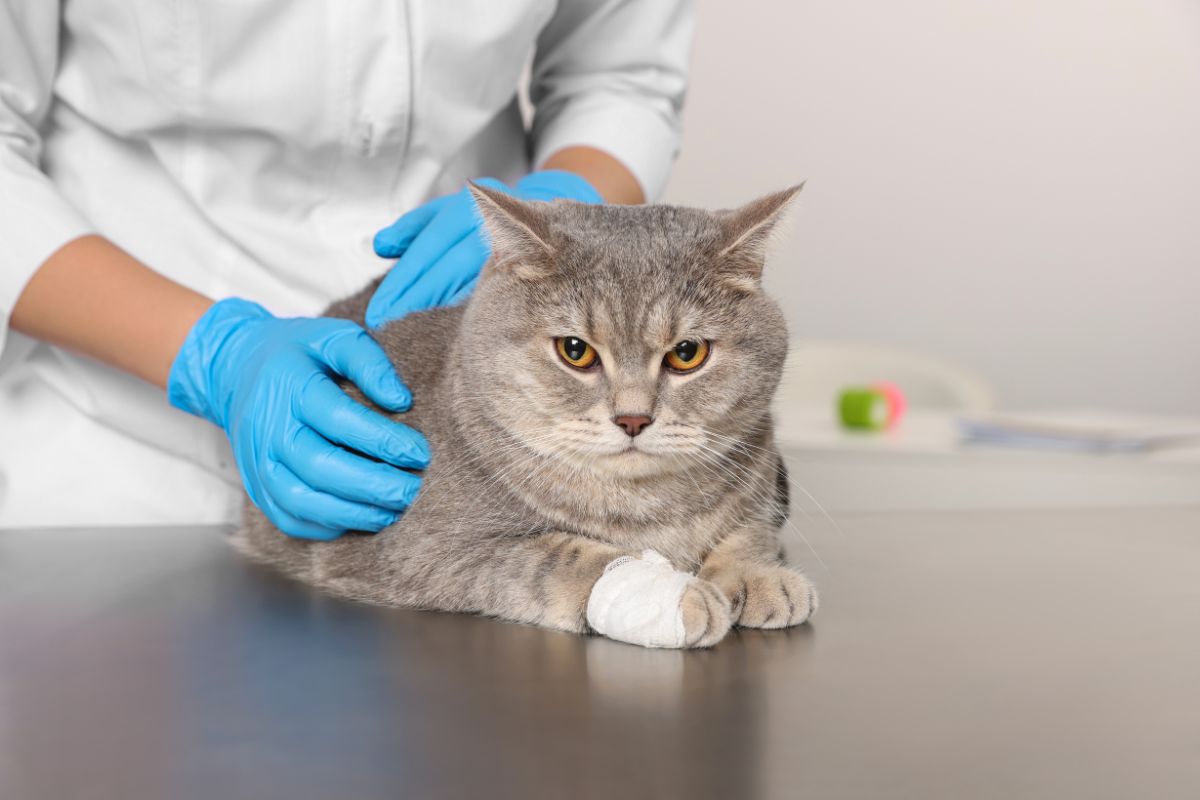
When your pet suddenly seems uncomfortable, sick, or injured, deciding what to do next can feel overwhelming. A mild stomach upset may improve with careful observation at home, while other symptoms require prompt veterinary attention. Knowing the difference can help you respond quickly and avoid delaying needed treatment.
Home pet care has an important role in keeping dogs and cats comfortable between veterinary visits. However, home care should not replace professional evaluation when symptoms are sudden, worsening, painful, or unusual. Understanding when to monitor your pet and when to seek urgent pet care in Rialto can make a meaningful difference in your pet’s health and comfort.
What Is Home Pet Care?
Home pet care involves simple, appropriate steps that support your pet when a problem is mild and does not require immediate veterinary evaluation. It may include providing fresh water, allowing your pet to rest, monitoring appetite, keeping an injury clean, or watching for changes in behavior.
For example, a pet with a minor scrape may only need gentle cleaning and close observation. Similarly, a dog with a brief episode of mild stomach upset may benefit from rest and access to water while you monitor for additional symptoms.
The key is knowing your pet’s normal behavior. Changes in eating, drinking, bathroom habits, activity, or movement can provide important clues about their health.
Home monitoring can be appropriate when:
- Your pet has mild symptoms that are not getting worse.
- Your pet remains alert and responsive.
- Your pet is drinking normally.
- There is no significant pain or distress.
- There is no difficulty breathing.
- There is no uncontrolled bleeding.
- Your pet can walk and move normally.
- Symptoms improve rather than become more severe.
When you are unsure, contacting a veterinary team can help you determine whether continued monitoring is appropriate.
When Should You Seek Urgent Pet Care in Rialto?
Some health problems need prompt evaluation even when they do not initially appear severe. Urgent pet care in Rialto is appropriate when your pet develops a sudden illness, injury, or concerning symptoms that should not wait for a routine appointment.
Valley Animal Hospital identifies several conditions that may require prompt veterinary attention, including vomiting or diarrhea, dehydration, wounds, limping, eye problems, ear infections, changes in appetite or thirst, coughing, nasal discharge, urinary difficulties, and sudden joint pain.
Watch for signs such as:
- Repeated vomiting or diarrhea
- Noticeable dehydration
- Sudden or persistent limping
- Pain when walking or moving
- Cuts, puncture wounds, or other injuries
- Redness or discharge from the eyes
- Frequent head shaking or signs of ear discomfort
- Blood in the urine
- Straining to urinate or defecate
- Sudden changes in appetite or thirst
- Persistent coughing or nasal discharge
- Sudden weakness or unusual behavior
- Swelling, hives, or unusual skin reactions
These symptoms can have many possible causes. A veterinary examination can help determine what is happening and whether diagnostic testing or treatment is needed.
Signs That Should Not Be Managed Only at Home
Certain symptoms deserve prompt veterinary attention because they may indicate a serious underlying condition.
Difficulty Breathing
Changes in breathing should never be ignored. Rapid, labored, noisy, or difficult breathing can indicate a problem involving the respiratory system, heart, airway, or another part of the body.
Severe or Persistent Vomiting
One isolated episode may sometimes be monitored, but repeated vomiting can contribute to dehydration and may be associated with gastrointestinal disease, foreign objects, toxins, or other medical problems.
Sudden Collapse or Weakness
If your pet suddenly collapses, cannot stand normally, or becomes unusually weak, seek veterinary guidance promptly. These signs can have several possible causes and require professional assessment.
Significant Injuries
Falls, animal attacks, vehicle-related injuries, deep wounds, broken bones, and other traumatic injuries should be evaluated by a veterinarian. Some injuries may not be obvious from the outside.
Urinary Problems
Repeated attempts to urinate, straining, blood in the urine, or an inability to produce urine should receive prompt attention. Urinary problems can become painful and may require diagnostic testing and treatment.
Sudden Eye Problems
Redness, swelling, excessive tearing, discharge, squinting, or keeping an eye closed can indicate an eye problem that should be assessed promptly.
Recognizing these warning signs can help pet owners make better decisions instead of waiting to see whether concerning symptoms disappear.
What Happens During an Urgent Veterinary Visit?
When you bring your pet for urgent care, the veterinary team will first assess your pet’s condition and gather information about what happened.
Be prepared to explain:
- When the symptoms started
- Whether they are getting better or worse
- What your pet has eaten or consumed recently
- Changes in drinking or urination
- Any recent injury or unusual activity
- Medications your pet currently receives
- Any changes in behavior
- Whether similar symptoms have happened before
Depending on your pet’s condition, the veterinarian may recommend diagnostic testing. Valley Animal Hospital’s urgent care service may include bloodwork, ultrasound, wound care, surgery, laser therapy, and medication when appropriate.
Diagnostic testing can help identify the underlying cause instead of treating symptoms without knowing what is causing them. Bloodwork may provide information about infection, organ function, or possible toxin exposure, while ultrasound can help evaluate internal abnormalities or injuries.
How to Prepare for an Urgent Vet Visit
Preparation can make the visit easier for both you and your pet.
Before leaving home, keep your pet as calm and comfortable as possible. Avoid giving medications unless a veterinarian has specifically instructed you to do so. If your pet has vomited, developed diarrhea, or may have swallowed something unusual, make a note of what happened and when.
If there is an injury, avoid manipulating the affected area unnecessarily. For pets experiencing pain, gentle handling is especially important.
If possible, bring information about your pet’s current medications and medical history. Photos or videos of unusual symptoms can also be useful if the behavior is intermittent and stops before the veterinary examination.
Calling ahead can also help the veterinary team prepare for your arrival. Valley Animal Hospital recommends calling before coming in for an urgent concern so the team knows you are on the way and can prepare for your pet’s visit.
Finding Urgent Pet Care Near You
Searching for urgent pet care near you can become stressful when your pet is suddenly unwell. Having a veterinary hospital you know and trust can make these situations easier to manage.
Keep your veterinarian’s phone number saved in your phone and know where the clinic is located. It can also help to understand the clinic’s urgent care procedures before a problem occurs.
For pet owners in Rialto, knowing where to turn for prompt veterinary evaluation can provide peace of mind. Valley Animal Hospital provides urgent evaluation, stabilization, and treatment during business hours for pets experiencing sudden illness or injury. If a pet requires care beyond what can be provided in-house, the veterinary team can help coordinate an appropriate referral.
If your pet develops a concerning symptom, contact our animal hospital for guidance on the appropriate next step. You can call us at 909-877-2384 to discuss your pet’s condition and determine whether an urgent evaluation is appropriate.
Compassionate Urgent Pet Care for Your Companion
Knowing when home care is appropriate and when professional attention is needed is an important part of responsible pet ownership. Mild problems may sometimes be monitored carefully, but sudden, persistent, painful, or worsening symptoms should not be ignored.
For pet owners looking for urgent pet care in Rialto, urgent vet care in Rialto, or urgent pet care near you, having a trusted veterinary team available can make an uncertain situation easier to navigate. Valley Animal Hospital provides prompt evaluation and treatment for a range of sudden illnesses and injuries, with diagnostic and treatment options tailored to each pet’s needs.
When your pet’s health suddenly changes, timely veterinary guidance can help you make an informed decision and get your companion the care they need.
Frequently Asked Questions
1. How do I know whether my pet needs urgent veterinary care?
Ans: Look for sudden or worsening symptoms such as repeated vomiting, diarrhea, dehydration, significant pain, difficulty walking, urinary problems, breathing changes, serious wounds, or unusual weakness. When you are uncertain, contact a veterinary professional for guidance.
2. Can I monitor mild pet symptoms at home?
Ans: Some mild symptoms may be monitored when your pet remains alert, comfortable, hydrated, and otherwise behaves normally. However, symptoms that persist, worsen, or occur alongside other concerning changes should be evaluated by a veterinarian.
3. Should I call before bringing my pet for urgent care?
Ans: Yes. Calling ahead allows the veterinary team to understand your pet’s situation and prepare for your arrival. Valley Animal Hospital specifically recommends calling before heading in with an urgent concern.
4. What information should I provide during an urgent care visit?
Ans: Tell the veterinary team when symptoms began, how they have changed, what your pet has eaten or consumed, changes in behavior or bathroom habits, recent injuries, and any medications your pet receives.
5. What diagnostic tests might be used during urgent veterinary care?
Ans: Depending on your pet’s symptoms, a veterinarian may recommend bloodwork, ultrasound, or other diagnostic procedures. Testing helps the veterinary team determine the underlying cause and develop an appropriate treatment plan.
6. How can I prepare for a pet health problem before it happens?
Ans: Keep your veterinarian’s contact information available, learn your pet’s normal behavior, monitor changes in appetite and bathroom habits, and know where to seek prompt veterinary care. Having a plan can help you respond calmly when your pet suddenly becomes ill or injured.