1786 N. Riverside Ave Suite #1, Rialto, CA 92376

Can Dogs Break Their Teeth While Chewing? Hidden Risks of Hard Chew Toys
Many dogs love chewing because it keeps them entertained and helps relieve boredom. However, some chew toys can create hidden risks for your pet’s teeth. A toy that feels safe may be too hard for your dog’s mouth.
Broken teeth can cause pain, infections, and difficulty eating. Understanding which chew items may damage your dog’s teeth helps you make safer choices. This guide explains how hard chew toys affect your dog’s oral health and what signs need veterinary attention.
Valley Animal Hospital provides compassionate care focused on protecting pets’ overall health. Our team helps families understand oral concerns and offers professional dog dental care to support long-term wellness.
If you live in Rialto or nearby communities, this guide can help you recognize dental risks early. Learning about chewing habits, tooth injuries, and preventive steps can protect your beloved companion. Continue reading to understand how hard chew toys affect dogs and when professional care may be needed.
Why Do Dogs Chew on Toys?
Chewing is a natural behavior for dogs of different ages. Puppies often chew because their teeth are developing. Adult dogs may chew to stay active or reduce stress.
Chewing can provide several benefits when safe items are chosen. It may help with mental stimulation and prevent unwanted chewing behaviors.
However, not every chew toy is suitable for every dog. Some products are extremely hard and may place excessive pressure on teeth.
Common Reasons Dogs Chew
Dogs may chew toys because of:
- Teething discomfort in younger dogs
- Natural curiosity and exploration
- Boredom or lack of stimulation
- Stress relief
- Seeking attention from owners
Choosing appropriate toys based on your dog’s size and chewing style is important.
Can Hard Chew Toys Break a Dog’s Teeth?
Yes, dogs can break their teeth while chewing hard objects. A dog’s teeth are strong, but they are not designed to crush extremely hard materials.
Hard chew toys can create repeated pressure on specific teeth. This pressure may cause cracks or fractures over time.
Large chewing forces often affect the upper premolar teeth. These teeth have a complex structure and can become damaged during aggressive chewing.
Examples of Potentially Risky Chew Items
Some hard items may increase the risk of tooth damage, including:
- Antlers
- Bones
- Hard nylon toys
- Hooves
- Very dense plastic objects
- Rocks or household items
If a toy cannot bend, flex, or slightly give under pressure, it may be too hard for your dog.
Signs Your Dog May Have a Broken Tooth
Dogs often hide pain, especially when dealing with dental problems. Pet owners may notice subtle changes before obvious symptoms appear.
A damaged tooth can affect eating habits and overall comfort. Early recognition allows faster treatment and relief.
Watch for These Warning Signs
Look for:
- Dropping food while eating
- Chewing on one side of the mouth
- Avoiding hard food
- Excessive drooling
- Pawing at the face
- Bad breath
- Swelling near the jaw
- Sudden changes in chewing habits
A broken tooth may expose sensitive inner structures. This can allow bacteria to enter and cause painful infections.
How Tooth Fractures Affect Your Dog’s Health
A fractured tooth is more than a cosmetic concern. Dental injuries can create ongoing discomfort and health problems. When the protective outer layer breaks, the inner tooth tissues may become exposed. This can lead to inflammation and infection.
Dogs with untreated dental injuries may experience:
- Chronic mouth pain
- Difficulty eating
- Reduced appetite
- Bacterial infections
- Changes in behavior
Professional evaluation helps determine the right treatment based on the injury’s severity.
How Veterinarians Diagnose Broken Teeth in Dogs
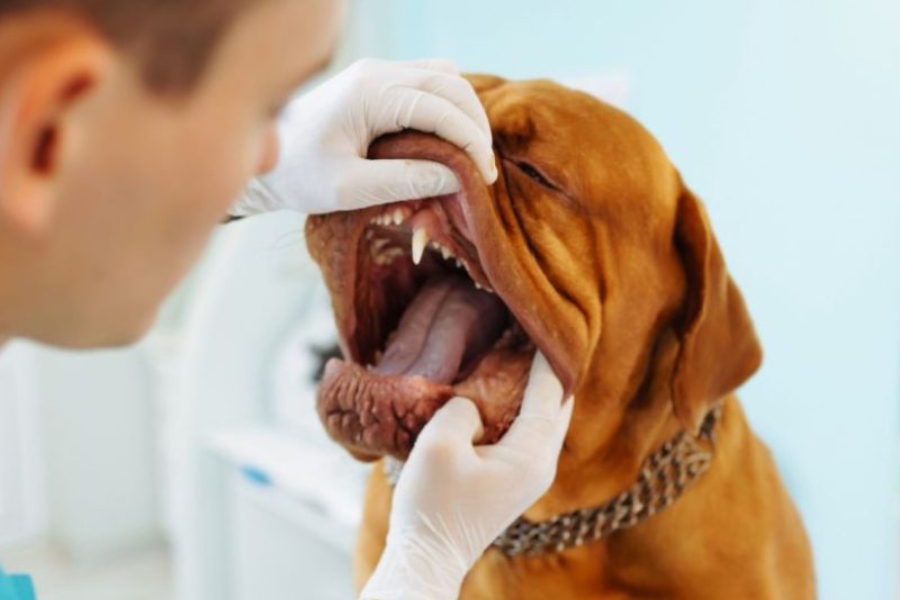
A veterinary examination helps identify tooth damage that may not be visible at home. During an oral evaluation, veterinarians check the teeth, gums, and surrounding tissues. They look for cracks, sensitivity, and signs of infection.
In some cases, dental X-rays may be recommended. X-rays help examine areas below the gum line and assess tooth roots.
What A Dental Evaluation May Include
A professional dental assessment may involve:
- Oral examination
- Checking for fractures
- Evaluating gum health
- Dental imaging when needed
- Discussing treatment options
Regular dog dental care can help identify problems before they become severe. Routine examinations allow veterinarians to monitor changes in your pet’s mouth health.
Safer Alternatives to Hard Chew Toys
Choosing the right chew toy can help protect your dog’s teeth while still providing enrichment.
A safe chew option should match your dog’s size, age, and chewing habits. Toys should be durable but not excessively rigid.
Tips for Choosing Better Chew Toys
Consider these guidelines:
- Select flexible or softer materials
- Choose toys made for your dog’s size
- Avoid items that cannot bend
- Replace damaged toys quickly
- Monitor chewing sessions
Always supervise your dog with a new toy. Individual dogs may chew differently depending on their habits and strength.
How Veterinary Dentistry Helps Protect Your Dog’s Smile
Preventive care plays an important role in maintaining your dog’s oral health. Regular professional evaluations can detect hidden dental issues.
Veterinarians use their knowledge of tooth structure and oral conditions to recommend suitable care plans. This approach helps address problems before they affect your pet’s quality of life.
Dentistry for pets focuses on preventing, diagnosing, and treating oral concerns in animals. It includes evaluations, professional cleanings, and treatments for dental problems. Owners should schedule dental checks when they notice changes in eating behavior or chewing patterns.
When Should You Contact a Veterinarian?
A dental concern should not be ignored because dogs may continue normal activities despite discomfort.
Contact your veterinarian if your dog shows signs of:
- Sudden chewing changes
- Mouth sensitivity
- Bleeding from the mouth
- Facial swelling
- Loss of appetite
- Difficulty picking up food
Prompt care can prevent minor dental injuries from becoming more serious.
Protect Your Dog’s Smile With Preventive Care
Hard chew toys may seem harmless, but they can create unexpected dental problems. Understanding chewing risks helps you make safer decisions for your pet. Your dog depends on you to notice changes and provide timely care. Regular evaluations and preventive steps can support comfort, healthy eating habits, and overall wellness.
At Valley Animal Hospital, our veterinary team focuses on providing compassionate dental support for pets. We help families understand oral health concerns and provide appropriate care based on each pet’s needs.
If you are in Rialto or nearby areas, book an appointment with our veterinary team today. Our dedicated veterinary care can help protect your pet’s dental health and keep their smile healthy for years to come.
Frequently Asked Questions
1. Can dogs really break their teeth on toys?
Ans: Yes, dogs can fracture their teeth while chewing very hard toys. Excessive pressure may damage teeth, especially during aggressive chewing.
2. Are bones safe for dogs to chew?
Ans: Some bones can create dental risks. Hard bones may fracture teeth or cause other injuries. Always discuss suitable options with your veterinarian.
3. What should I do if my dog breaks a tooth?
Ans: Schedule a veterinary examination as soon as possible. A veterinarian can evaluate the damage and recommend proper treatment.
4. How can I tell if my dog has tooth pain?
Ans: Signs may include reduced chewing, dropping food, drooling, bad breath, or changes in eating behavior.
5. Are puppies more likely to damage their teeth from chewing?
Ans: Puppies chew frequently during development. Providing age-appropriate toys can help reduce risks.
6. How often should dogs receive dental evaluations?
Ans: Dental evaluation schedules depend on your dog’s age, breed, and oral health condition. Your veterinarian can recommend an appropriate schedule.
7. Can regular dental care prevent tooth problems?
Ans: Regular checkups and preventive care help identify dental concerns early. They also support better long-term oral health.