1786 N. Riverside Ave Suite #1, Rialto, CA 92376


Top Tips for Keeping Your Cat’s Teeth Clean and Healthy
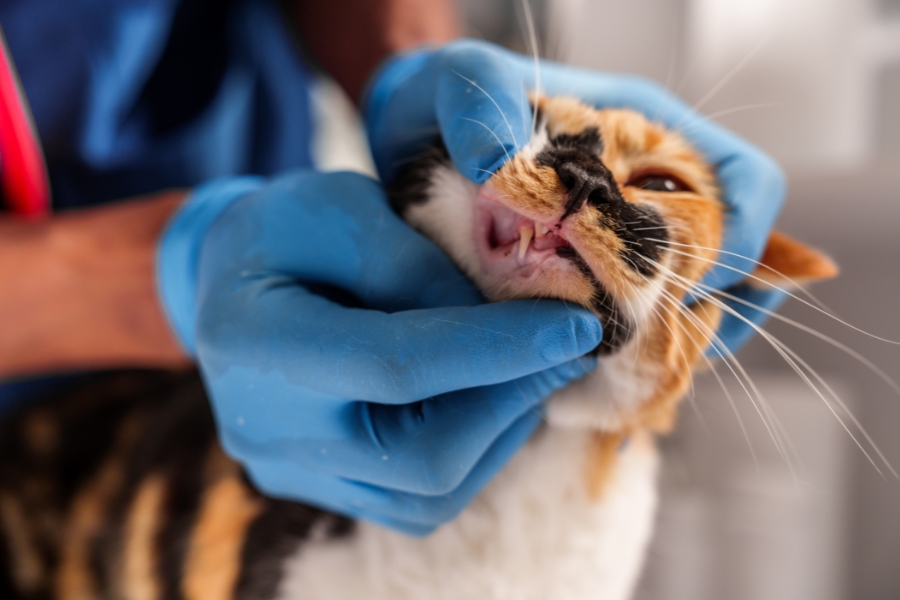
As a cat owner, you want to ensure that your feline friend remains healthy and happy, and that includes their dental health. Cats are often prone to dental problems like plaque buildup, gum disease, and even tooth loss. Keeping your cat’s teeth clean is crucial to preventing these issues, which is why regular cat dental care is necessary. In this blog, we’ll go over some top tips for maintaining your cat’s teeth, helping them stay healthy throughout their life. This post is especially for the residents of Rialto, CA, where regular dental care can keep your pet’s smile bright and free from issues.
Why Is Cat Dental Care Important?
Dental care is essential for maintaining your cat’s overall health. Dental disease can lead to painful conditions such as tooth decay, gum disease, and even infections that affect your cat’s organs. Many cats will hide the pain of a dental problem, so it’s important to be proactive. Neglecting dental care can also contribute to bad breath, making your cat uncomfortable and possibly affecting their appetite.
By establishing a good dental routine, you can prevent these issues and ensure that your cat lives a long, happy, and healthy life. Keeping your cat’s teeth clean doesn’t have to be difficult, but it does require commitment from you as a pet owner.
1. Brush Your Cat’s Teeth Regularly
The most effective way to prevent plaque and tartar buildup is to brush your cat’s teeth regularly. Though it may seem challenging at first, with patience, you can get your cat used to this routine. Start by introducing your cat to the toothbrush and pet-safe toothpaste gradually. Never use human toothpaste, as it contains ingredients harmful to cats.
Begin by gently rubbing your cat’s gums with your finger to get them comfortable with having their mouth touched. Once they’re used to this, you can start using a soft-bristled toothbrush designed specifically for cats. Aim to brush your cat’s teeth at least two to three times a week. This will help keep their teeth clean and reduce the chances of developing gum disease.
2. Offer Dental Chews and Toys
Along with brushing, dental chews and toys are excellent tools for maintaining oral health. These chews help to scrape off plaque and tartar naturally as your cat chews on them. Look for cat-specific dental treats or chews that are designed to improve oral hygiene.
Similarly, dental toys with ridged textures can help clean your cat’s teeth as they play. These toys are a fun and engaging way to maintain your cat’s dental health, and they provide stimulation and entertainment as well. Incorporating these into your cat’s daily routine will go a long way toward keeping their teeth in great shape.
3. Provide a Healthy Diet
A well-balanced diet contributes significantly to your cat’s overall health, including their dental health. High-quality dry food can be beneficial for dental care, as the crunching action helps scrape plaque from your cat’s teeth. However, wet food also plays an important role in hydration, especially for cats that don’t drink much water on their own.
There are also specialized dental diets available that are designed to reduce plaque buildup and promote healthy gums. Discuss your cat’s diet with your veterinarian to determine the best food for your cat’s needs. Ensuring they get the right nutrients will help keep their teeth strong and healthy.
4. Schedule Regular Checkups and Cleanings
Even with regular brushing and dental chews, your cat will still need professional dental care. Routine veterinary checkups are important for detecting any dental issues early on. Your vet will examine your cat’s teeth and gums for signs of plaque, tartar, or gum disease, and they may recommend a professional cleaning if necessary.
At Valley Animal Hospital, we recommend scheduling annual dental exams for your cat to ensure their teeth and gums are in optimal condition. Professional cleanings are often done under anesthesia, allowing your vet to thoroughly clean all surfaces of your cat’s teeth, including areas that are difficult to reach with a toothbrush.
5. Watch for Signs of Dental Problems
Since cats are experts at hiding pain, it’s essential to monitor your pet’s behavior for signs of dental issues. If your cat is experiencing discomfort, you may notice that they start eating less or chewing only on one side of their mouth. Other signs of dental problems include excessive drooling, pawing at the mouth, or bad breath.
If you notice any of these symptoms, it’s important to contact your veterinarian as soon as possible. Early intervention can prevent more serious issues from developing, such as infections or tooth loss.
6. Consider Professional Teeth Cleaning
While regular brushing is vital, some cats will still develop plaque and tartar buildup that requires professional attention. A professional cleaning involves removing plaque and tartar that can’t be removed through brushing alone. This cleaning is usually done under anesthesia, ensuring that your cat is relaxed and comfortable throughout the procedure.
At Valley Animal Hospital in Rialto, CA, we provide professional teeth cleaning for cats to maintain their oral health. Your veterinarian will also check for signs of gum disease and other dental conditions during this visit, helping to keep your cat’s teeth and gums in top condition.
Maintaining your cat’s dental health is a key component of their overall well-being. By brushing their teeth regularly, providing dental chews and toys, feeding them a balanced diet, scheduling professional cleanings, and keeping an eye out for dental problems, you can help your cat maintain a healthy smile for years to come.
If you’re in Rialto, CA, and looking for a cat dental care near you, book an appointment with Valley Animal Hospital today. Our expert team is here to provide exceptional care for your furry friend’s dental needs and overall health.
FAQs
Q1. How often should I brush my cat’s teeth?
Ans. It’s recommended to brush your cat’s teeth at least two to three times a week to prevent plaque buildup and gum disease.
Q2. What are dental chews, and are they effective?
Ans. Dental chews help reduce plaque and tartar by scrubbing the teeth as your cat chews. They are an effective supplement to brushing.
Q3. Can I use human toothpaste for my cat?
Ans. No, human toothpaste contains fluoride and other ingredients harmful to cats. Always use pet-safe toothpaste for your cat.
Q4. How can I tell if my cat has a dental problem?
Ans. Watch for signs like bad breath, difficulty eating, drooling, or pawing at the mouth. If any of these symptoms occur, contact your vet.
Q5. Are there special diets for dental health in cats?
Ans. Yes, there are specialized dental diets designed to reduce plaque buildup and promote healthy gums. Your vet can recommend the best options for your cat.
Q6. What happens during a professional dental cleaning for cats?
Ans. A professional dental cleaning involves removing plaque and tartar under anesthesia. Your vet will also check for gum disease and other dental issues.