1786 N. Riverside Ave Suite #1, Rialto, CA 92376


My Cat Is Walking Strange: Could It Be a Medical Emergency?
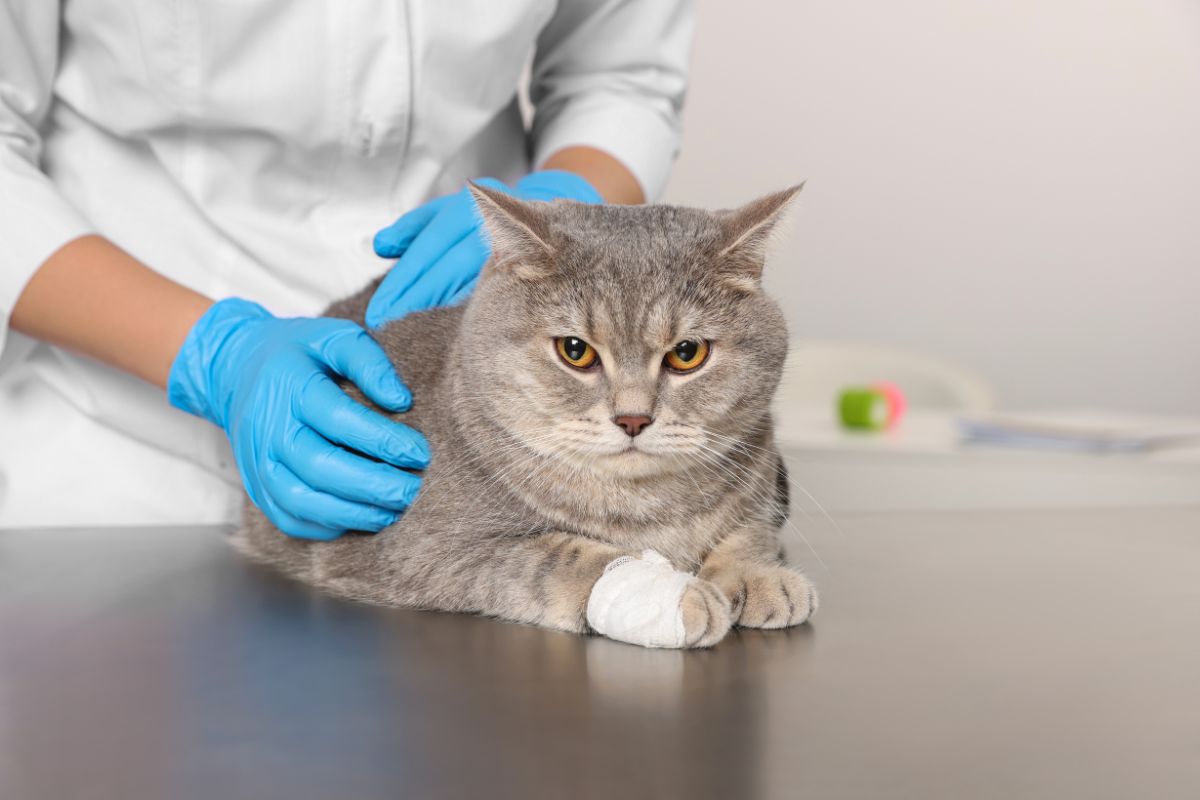
Watching your cat walking strangely across the living room floor can trigger real panic in any pet owner. One moment your cat is bounding onto the windowsill, and the next it is stumbling, dragging a leg, or moving with an unusual gait that just does not look right. This shift can happen suddenly or build gradually over a few days, and it is easy to feel unsure about what steps to take next. Some causes are minor and resolve on their own, while others point to something more serious happening inside your cat’s body. Because cats are experts at hiding pain, changes in how they walk are often one of the first visible clues that something is wrong. Understanding the possible reasons behind unsteady movement, along with the signs that mean it is time to get help, can make a real difference for your cat’s comfort and recovery.
What Causes a Cat to Walk Strange or Wobble?
An unusual or strained way of moving can stem from several different problems, and pinpointing the cause often starts with looking at how the change appeared. Sudden wobbliness that comes on within hours is frequently linked to inner ear or vestibular problems, which throw off a cat’s balance without affecting the legs directly. Gradual changes over days or weeks point more often toward joint pain, muscle weakness, or nerve issues.
In our experience, injuries make up a large share of sudden gait changes, especially in cats that spend time outdoors or that jumped from an unusually high spot. Soft tissue strains, sprains, and fractures can all cause sudden cat limping or an uneven, stiff stride that was not there the day before.
Neurological conditions are less common but more concerning. These can affect coordination on both sides of the body and sometimes come with head tilting or circling. Toxin exposure, including certain houseplants and household chemicals, can also affect a cat’s nervous system and change how it moves. A meaningful share of cats brought in for sudden gait changes end up having a musculoskeletal cause rather than a neurological one, which is why a hands-on exam matters more than guessing from home.
Because so many different body systems can be involved, cat wobbly unsteady walking always deserves a closer look rather than a wait-and-see approach. Even a temporary limp can be the first sign of something that needs early attention.
What Are the Warning Signs of a Cat Walking Strange?
An off or unsteady gait usually shows one or more of these signs: stumbling, dragging a leg, head tilting, circling, or reluctance to jump. These signs can appear suddenly or develop gradually, and any combination of them is worth a veterinary visit rather than a wait-and-see approach.
- Stumbling or swaying when walking, often linked to balance or inner ear problems.
- Cat dragging back legs or refusing to bear weight, which can point to pain, injury, or nerve involvement.
- Head tilting or circling, commonly seen with vestibular or neurological issues.
- Reluctance to jump onto furniture, which may signal joint pain or muscle weakness.
- Wide, uncoordinated steps, sometimes a sign of disorientation or general weakness.
If you notice any of these signs, contact your veterinarian promptly. Pet owners often tell us they assumed their cat was just being clumsy, only to learn later that the early signs were easy to miss and worth acting on sooner.
Which Cats Face the Highest Risk for Sudden Gait Changes?
Age, breed, and lifestyle all play a role in how likely a cat is to develop walking problems. Senior cats face a higher risk of arthritis and nerve related conditions simply because joints and nerves naturally wear down over time. Younger, more active cats are more prone to injury related gait changes from jumps, falls, or rough play with other pets.
Outdoor access raises risk significantly, since traffic accidents, fights with other animals, and falls from fences or trees are far more common outside the home, often leading to sudden cat limping that shows up within hours. In Rialto, warm weather keeps many cats active outdoors for much of the year, which is why many owners search for urgent pet care nearby during the summer months.
A vet visit for cat mobility concerns is worthwhile even when symptoms seem to fade on their own, since some underlying causes resurface later if left unaddressed.
Certain breeds carry a genetic predisposition to specific joint or muscle conditions, so breed history is always worth mentioning during a visit. Cats with prior injuries or chronic conditions such as diabetes are also more susceptible to nerve- or muscle-related walking changes, so their owners should watch closely for any new unsteadiness.
How Do Vets Diagnose and Treat Unsteady Walking in Cats?
Diagnosing the cause behind an unsteady or unusual gait starts with a full physical exam and a detailed history of when the change first began. From there, a vet visit for cat mobility concerns generally follows a clear process.
- Physical and neurological exam: the vet checks reflexes, joint movement, and pain response in each limb.
- Imaging: X-rays or advanced imaging may be used to look for fractures, arthritis, or spinal issues.
- Bloodwork: lab tests help rule out infections, toxins, or metabolic conditions affecting balance or strength.
- Treatment plan: depending on the diagnosis, treatment may include pain management, rest, physical therapy, or medication.
One of the most common questions we get is whether cat wobbly unsteady walking will resolve on its own. Some mild vestibular episodes do improve within a couple of weeks, but injuries and chronic conditions usually need direct treatment to prevent the problem from worsening. Pet owners near Rialto often bring in cats after trying to wait out symptoms, only to find that earlier treatment led to a faster, more comfortable recovery.
When Does a Wobbly Cat Need Urgent Veterinary Care?
Not every gait change requires an immediate visit, but some situations call for prompt veterinary attention rather than a wait-and-see approach. If your cat suddenly cannot stand, seems disoriented, has a swollen or clearly painful leg, or shows head tilting alongside vomiting, these are signs that pet urgent care is the safer choice over waiting for a routine appointment.
At Valley Animal Hospital, our team sees cats with sudden mobility changes regularly, and quick evaluation often leads to a smoother, faster recovery. Pet owners searching for urgent pet care nearby can call us at 909-877-2384 when your cat in Rialto needs urgent attention, and our team will walk you through the next steps right away.
Valley Animal Hospital keeps slots open for cats with sudden symptoms, so Rialto pet owners never wonder where to turn. If you notice a cat dragging back legs alongside any other concerning sign, do not wait to reach out.
A cat walking strangely is never something to brush aside, even if the change seems mild at first. Cats hide discomfort well, and shifts in movement are often the clearest early sign that something needs attention. Whether the cause turns out to be a minor strain or something more serious, getting an early evaluation gives your cat the best chance at a smooth, comfortable recovery. Trust your instincts if something feels off, and do not wait to have your cat examined. A quick veterinary visit can bring peace of mind and, more importantly, faster relief for your cat. Book an appointment today.
Frequently Asked Questions
Q1: Why is my cat suddenly walking wobbly?
Ans: Sudden wobbliness in cats is often linked to inner ear or vestibular issues, which affect balance without harming the legs directly. Injuries, toxin exposure, and neurological conditions can also cause this symptom, so a veterinary exam helps identify the exact cause.
Q2: Is it urgent if my cat can’t walk properly?
Ans: If your cat suddenly cannot stand, seems disoriented, or shows signs of pain, this qualifies as a situation needing prompt veterinary attention. Even gradual changes should be evaluated soon to prevent the underlying issue from worsening.
Q3: Can a cat recover from vestibular disease?
Ans: Many cats with vestibular disease improve significantly within one to two weeks with supportive care. Full recovery varies by cat, and your veterinarian can provide a more specific outlook after an exam.
Q4: What should I do if my cat is dragging a leg?
Ans: A dragging leg can indicate pain, injury, or nerve involvement, so it should not be ignored. Avoid forcing the leg to move and contact your veterinarian for an evaluation as soon as possible.
Q5: Are older cats more likely to develop walking problems?
Ans: Yes, senior cats face a higher risk of arthritis and nerve-related conditions simply due to natural aging in joints and the nervous system. Regular checkups help catch these changes early.