1786 N. Riverside Ave Suite #1, Rialto, CA 92376

Heatstroke in Dogs: Recognizing the Warning Signs
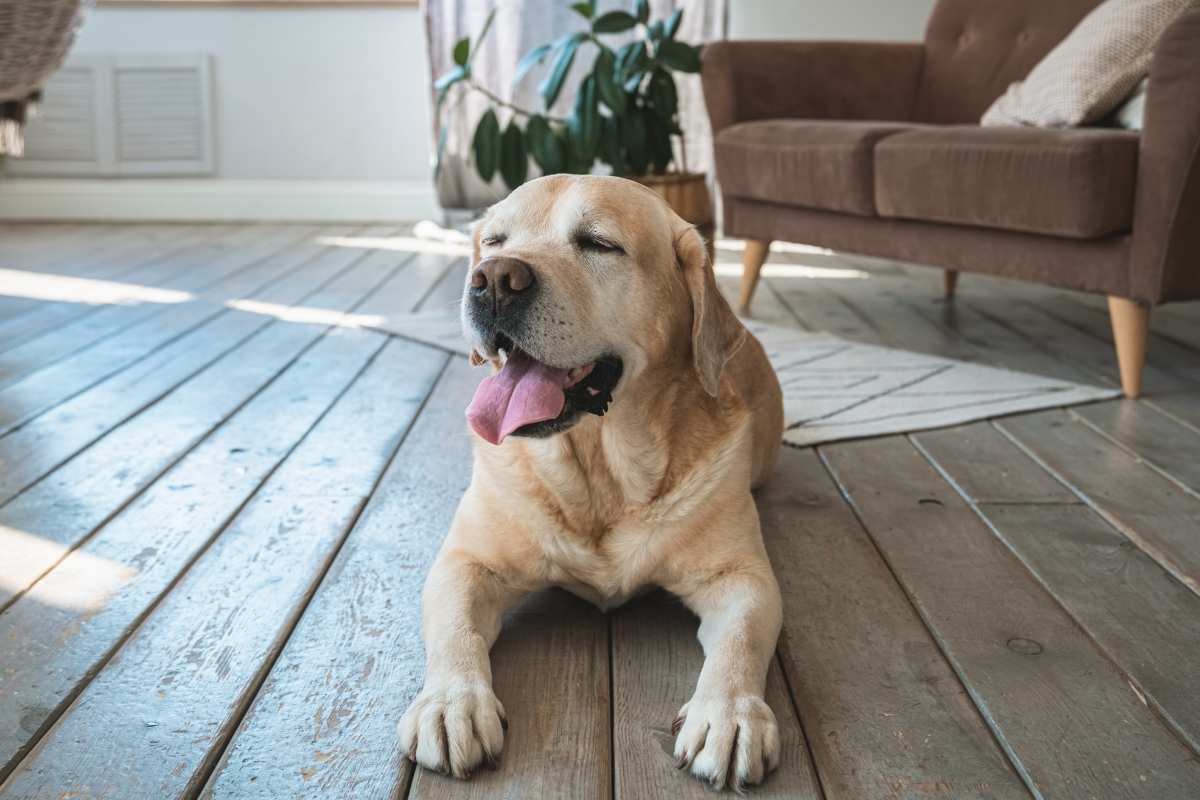
Warm weather means more time outdoors with your dog, but rising temperatures can also create serious health risks. Heatstroke is one of the most dangerous conditions dogs can experience, and it can develop faster than many pet owners realize. Unlike humans, dogs cannot cool themselves efficiently through sweating. Instead, they rely primarily on panting to regulate their body temperature.
Even a short period in excessive heat can lead to dehydration, organ damage, and life-threatening complications. Knowing the early warning signs can make all the difference in getting your pet the care they need before the condition worsens.
For pet owners in Rialto, understanding how to identify heatstroke and when to seek veterinary attention is essential. Whether you’re spending time at the park, taking a summer walk, or traveling with your pet, being prepared can help protect your furry family member from a preventable medical emergency.
What Is Heatstroke in Dogs?
Heatstroke occurs when a dog’s body temperature rises to dangerous levels and can no longer regulate itself effectively. A healthy dog’s normal body temperature ranges from approximately 101°F to 102.5°F. Once temperatures exceed 104°F, serious health concerns can begin to develop.
Dogs are particularly susceptible to overheating because they have limited sweat glands. They primarily cool themselves by panting and releasing heat through their paw pads. When environmental temperatures are too high or humidity levels are elevated, these natural cooling methods may not be enough.
Heatstroke can happen in several situations, including:
- Spending too much time outdoors on hot days
- Exercising during peak afternoon temperatures
- Being left in a parked vehicle
- Limited access to shade or water
- Excessive play without breaks
- Poor ventilation indoors
Recognizing the symptoms early is one of the best ways to reduce the severity of heat-related illness.
Dogs Most at Risk for Heatstroke
While any dog can experience heatstroke, some are at a higher risk than others.
Brachycephalic Breeds
Dogs with short noses and flat faces often struggle more with heat regulation. Examples include:
- Bulldogs
- Pugs
- Boston Terriers
- French Bulldogs
- Boxers
Senior Dogs and Puppies
Older dogs and young puppies may have a harder time maintaining normal body temperatures due to age-related factors.
Overweight Dogs
Excess body weight can make it more difficult for dogs to cool themselves effectively.
Dogs With Underlying Conditions
Dogs with respiratory issues, heart disease, or other chronic conditions may be more vulnerable to overheating.
Thick-Coated Breeds
Breeds with heavy coats, such as Huskies, Newfoundlands, and Chow Chows, can retain more body heat during warmer weather.
Understanding your dog’s individual risk factors can help you make safer decisions during hot weather activities.
Early Warning Signs of Heatstroke in Dogs
Heatstroke often begins with subtle signs that may initially seem harmless. However, these symptoms can progress rapidly.
Watch for:
- Excessive panting
- Increased drooling
- Bright red gums
- Restlessness
- Seeking cool surfaces
- Rapid heartbeat
- Mild weakness
- Difficulty settling down
Many pet owners assume their dog is simply tired or thirsty after exercise. Unfortunately, heatstroke can worsen within minutes if left untreated.
If your dog continues panting heavily despite resting in a cool environment, it may be time to contact an animal hospital near you for guidance.
Advanced Symptoms That Require Immediate Veterinary Attention
As heatstroke progresses, dogs may experience more severe symptoms that indicate their body is struggling to function normally.
These include:
- Vomiting
- Diarrhea
- Confusion or disorientation
- Difficulty walking
- Collapse
- Muscle tremors
- Seizures
- Pale or blue gums
- Loss of consciousness
At this stage, heatstroke can begin affecting major organs, including the kidneys, liver, and brain. Prompt veterinary intervention is critical.
Seeking urgent pet care Rialto residents can trust may significantly improve outcomes for dogs experiencing severe heat-related illness.
Common Causes of Heatstroke
Many cases of heatstroke occur during everyday activities that pet owners don’t consider dangerous.
Leaving Dogs in Vehicles
Cars heat up incredibly fast, even when temperatures outside seem mild. Cracking a window offers very little protection.
Midday Exercise
Walking or running with your dog during the hottest part of the day can quickly lead to overheating.
Outdoor Events
Festivals, sporting events, and backyard gatherings may expose pets to prolonged sun exposure without adequate cooling opportunities.
Lack of Water
Dogs should always have access to fresh, clean water when outdoors.
Poor Air Circulation
Garages, enclosed patios, and poorly ventilated rooms can trap heat and increase risks.
Understanding these common causes can help pet owners make better choices throughout the summer.
What to Do if You Suspect Heatstroke
If you believe your dog may be experiencing heatstroke, take action immediately.
Move Your Dog to a Cooler Area
Bring your pet indoors or into a shaded location with good airflow.
Offer Cool Water
Allow your dog to drink small amounts of cool—not ice-cold—water.
Use Cool Towels
Apply cool, damp towels to areas such as:
- Neck
- Belly
- Paw pads
- Armpits
Avoid using ice or extremely cold water, as this can constrict blood vessels and interfere with cooling.
Reduce Physical Activity
Keep your dog calm and avoid unnecessary movement.
Contact a Veterinarian
If symptoms persist or worsen, veterinary evaluation is essential. Heatstroke can continue affecting internal organs even after a dog’s temperature begins to decrease.
Pet owners concerned about overheating should seek care from an animal hospital Rialto families rely on for timely medical attention.
How Veterinarians Treat Heatstroke
Veterinary treatment depends on the severity of the condition and how long the dog has been overheated.
Common treatments may include:
- Intravenous fluids
- Oxygen therapy
- Blood pressure monitoring
- Blood testing
- Temperature monitoring
- Hospitalization
- Supportive care for organ function
Veterinarians will also monitor for complications that may not be immediately visible, including clotting abnormalities and kidney injury.
Because heatstroke can affect multiple body systems, professional evaluation remains important even if your dog appears to recover at home.
Preventing Heatstroke in Dogs
The good news is that many heatstroke cases are preventable with simple precautions.
Exercise During Cooler Hours
Plan walks during early mornings or evenings when temperatures are lower.
Provide Plenty of Water
Always carry water when traveling or spending time outdoors.
Create Shade
If your dog spends time outside, ensure shaded areas are available throughout the day.
Avoid Hot Pavement
Pavement can become dangerously hot and contribute to overheating. If it’s too hot for your hand, it’s too hot for your dog’s paws.
Monitor Humidity Levels
High humidity can make panting less effective, increasing heatstroke risks.
Take Frequent Breaks
Allow your dog time to rest during outdoor activities.
Never Leave Pets in Cars
Even a few minutes can become dangerous.
By taking preventive measures, pet owners can significantly reduce the likelihood of heat-related illnesses.
When Should You Seek Urgent Veterinary Care?
It’s not always easy to determine whether your dog’s symptoms are serious. However, there are several situations where immediate veterinary attention is recommended.
Seek care if your dog:
- Stops responding normally
- Experiences vomiting or diarrhea after overheating
- Has difficulty breathing
- Appears disoriented
- Cannot stand or walk normally
- Collapses
- Experiences tremors or seizures
Heatstroke should never be ignored. Quick intervention can help prevent long-term complications and improve recovery outcomes.
If your dog is showing signs of overheating, Valley Animal Hospital is here to help. To discuss your pet’s condition or schedule for an appointment, contact our team at (909) 877-2384.
Keeping Your Dog Safe This Summer
Summer adventures should be enjoyable for both you and your pet. By understanding the warning signs of heatstroke and taking preventive measures, you can help ensure your dog stays safe during the hottest months of the year.
Remember that dogs can overheat much faster than people, and symptoms can escalate quickly. Paying close attention to changes in behavior, breathing, and energy levels can help you recognize when something isn’t right.
For families throughout Rialto, staying informed about heatstroke is one of the best ways to protect your pet’s health and well-being. When in doubt, don’t wait prompt veterinary care can make a significant difference when every minute counts.
Frequently Asked Questions
1. How long does it take for a dog to develop heatstroke?
Ans: Heatstroke can develop in as little as 10 to 15 minutes under extreme conditions, especially in hot vehicles or during intense exercise in high temperatures.
2. Can dogs recover fully from heatstroke?
Ans: Many dogs recover completely if treatment is provided early. However, severe cases can lead to lasting complications involving the kidneys, liver, or nervous system.
3. Are certain dog breeds more prone to heatstroke?
Ans: Yes. Flat-faced breeds, senior dogs, overweight dogs, and dogs with respiratory issues are generally at greater risk.
4. Is panting always a sign of heatstroke?
Ans: No. Panting is a normal cooling mechanism for dogs. However, excessive or persistent panting accompanied by weakness, drooling, or confusion should be taken seriously.
5. Can heatstroke happen indoors?
Ans: Yes. Poor ventilation, lack of air conditioning, and confined spaces can contribute to overheating, particularly during heat waves.
6. Should I use ice water to cool my dog down?
Ans: No. Ice water may cause blood vessels to constrict, making it harder for the body to release heat. Cool water and damp towels are generally safer options.