1786 N. Riverside Ave Suite #1, Rialto, CA 92376


When Urinary Problems Need Prompt Veterinary Attention
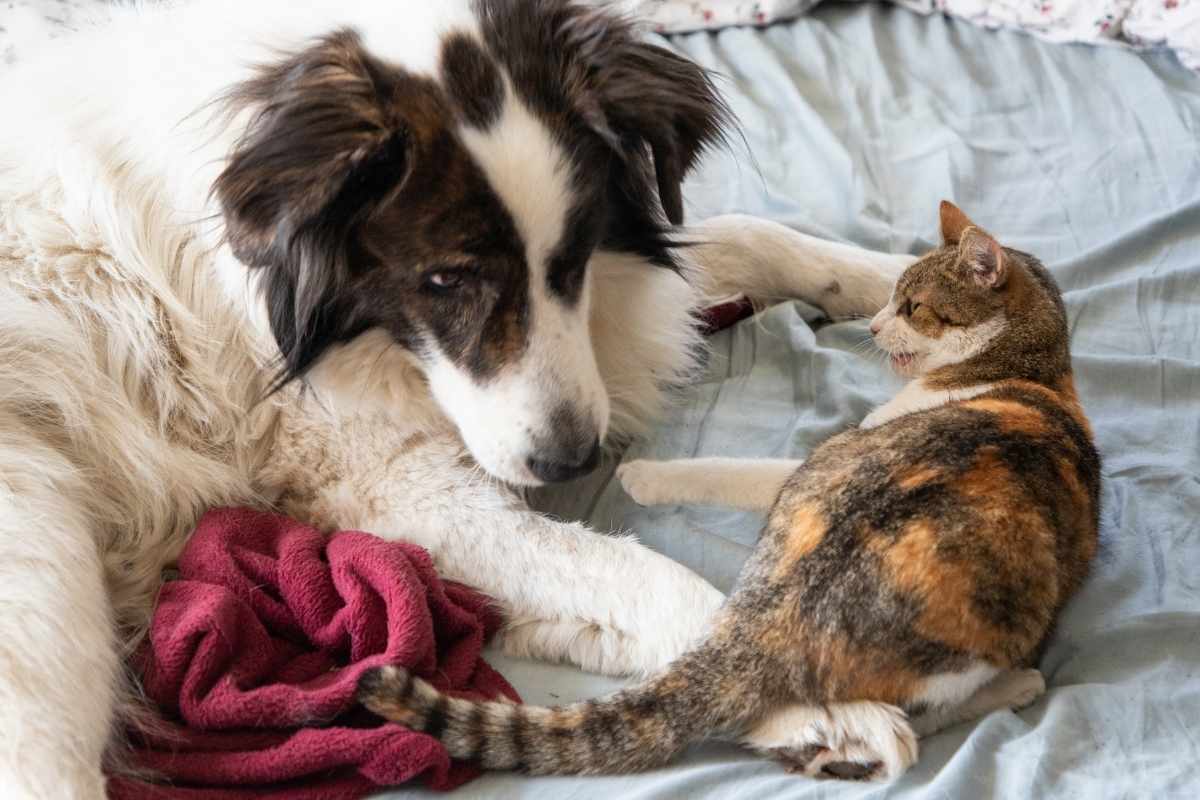
Urinary issues can affect pets of any age and often develop with little warning. While some symptoms may seem mild at first, they can quickly become more uncomfortable and may lead to serious health concerns if left untreated. Recognizing the early signs and seeking urgent pet care Rialto can help your pet receive timely treatment and avoid unnecessary complications.
Whether your dog is asking to go outside more often or your cat suddenly stops using the litter box, urinary problems should never be ignored. Understanding what these symptoms mean and when to contact a veterinary team can make a significant difference in your pet’s comfort and recovery.
Why Urinary Health Matters for Pets
The urinary system includes the kidneys, ureters, bladder, and urethra. Together, these organs help remove waste, regulate fluids, and maintain your pet’s overall health. When any part of this system isn’t functioning properly, pets may experience pain, difficulty urinating, or changes in their normal bathroom habits.
Many urinary conditions progress over time, making early evaluation important. Prompt veterinary attention allows the underlying cause to be identified and treated before the condition worsens.
Common Signs Your Pet Needs Prompt Veterinary Care
Not every urinary issue looks the same. Some pets show obvious signs of discomfort, while others display subtle behavioral changes.
Watch for symptoms such as:
- Frequent attempts to urinate
- Producing only small amounts of urine
- Straining while urinating
- Blood in the urine
- Accidents inside the house despite being house-trained
- Urinating outside the litter box
- Crying or whining during urination
- Excessive licking around the genital area
- Strong-smelling or cloudy urine
- Increased thirst accompanied by changes in urination
If you notice any of these symptoms, seeking urgent pet care near you is the safest way to determine the cause and begin appropriate treatment.
Common Causes of Urinary Problems in Pets
Several conditions can affect the urinary tract. While some are relatively straightforward to treat, others require prompt medical intervention.
Urinary Tract Infections
Bacteria can enter the urinary tract and cause irritation or infection. Pets with urinary tract infections often urinate frequently, strain to urinate, or have blood in their urine. Early diagnosis helps prevent the infection from spreading to other parts of the urinary system.
Bladder Stones
Minerals can accumulate in the bladder and form stones of varying sizes. These stones may irritate the bladder lining or interfere with normal urine flow. Depending on the size and type, treatment may involve medication, dietary changes, or surgical removal.
Urinary Crystals
Tiny mineral crystals may develop in the urine. While small crystals don’t always cause problems, larger accumulations can irritate the bladder or contribute to urinary blockage. Veterinary testing helps identify the type of crystals and determine the most effective treatment plan.
Inflammation of the Bladder
Inflammation can occur with or without infection. Cats, in particular, may develop bladder inflammation related to stress or other underlying factors. A thorough examination helps rule out more serious causes and guides appropriate treatment.
Kidney Conditions
The kidneys play an essential role in filtering waste products from the blood. Kidney disease or kidney infections may cause increased drinking, frequent urination, decreased appetite, weight loss, or lethargy. Early detection supports better long-term management.
Urinary Obstruction
In some cases, urine flow becomes partially or completely blocked. This condition can become life-threatening if not addressed quickly. Pets that repeatedly strain without producing urine require immediate veterinary evaluation.
Pets That May Be More Susceptible
Although urinary problems can affect any pet, certain factors may increase the likelihood of developing urinary conditions.
These include:
- Advancing age
- Certain breed predispositions
- Previous urinary tract problems
- Obesity
- Limited water intake
- Underlying medical conditions
- Diet that contributes to mineral buildup
Even healthy pets can develop urinary issues unexpectedly, making routine observation at home extremely valuable.
Why Early Veterinary Evaluation Makes a Difference
Waiting to see if symptoms improve on their own can allow urinary problems to worsen. Pain, inflammation, infection, or obstruction may progress quickly.
Prompt veterinary care offers several important benefits:
- Earlier diagnosis of the underlying condition
- Faster pain relief and improved comfort
- Reduced risk of complications
- Better treatment outcomes
- Lower likelihood of long-term urinary damage
If your pet is showing urinary symptoms, searching for a veterinarian near you and scheduling an urgent evaluation is the best next step.
What to Expect During a Veterinary Visit
When your pet arrives for evaluation, the veterinary team will gather information about recent symptoms, changes in behavior, eating habits, and water consumption.
Your veterinarian may recommend:
- A complete physical examination
- Urinalysis
- Urine culture when infection is suspected
- Blood work
- Digital imaging, such as X-rays or ultrasound
These diagnostic tools help identify infections, stones, crystals, inflammation, kidney problems, and other urinary conditions so treatment can be tailored to your pet’s specific needs.
Treatment Options for Urinary Problems
Treatment depends on the underlying diagnosis. Every pet receives an individualized care plan based on the severity and cause of the condition.
Possible treatments include:
Medications
Veterinarians may prescribe medications to treat bacterial infections, reduce inflammation, relieve discomfort, or manage other underlying conditions.
Fluid Therapy
Some pets benefit from fluid therapy to improve hydration and support kidney function while helping flush the urinary system.
Dietary Recommendations
Special therapeutic diets may help dissolve certain urinary crystals, reduce stone formation, or support overall urinary health.
Surgical Treatment
If bladder stones or other structural problems cannot be managed medically, surgery may be recommended to restore normal urinary function.
Ongoing Monitoring
Some urinary conditions require follow-up visits to ensure treatment is working and to reduce the risk of recurrence.
Supporting Your Pet’s Urinary Health at Home
Although not every urinary condition can be prevented, pet owners can help support urinary health through simple daily habits.
Helpful tips include:
- Encourage regular water intake.
- Always provide access to clean, fresh water.
- Take dogs outside frequently for bathroom breaks.
- Keep litter boxes clean and easily accessible for cats.
- Watch for changes in urination habits.
- Follow veterinary dietary recommendations if prescribed.
- Complete all prescribed medications as directed.
Paying attention to even small behavioral changes can lead to earlier diagnosis and more effective treatment.
When Should You Seek Prompt Veterinary Attention?
Some urinary symptoms require immediate evaluation rather than waiting several days.
Contact your veterinarian if your pet:
- Cannot produce urine despite repeated attempts
- Has blood in the urine
- Cries or appears painful while urinating
- Stops using the litter box due to discomfort
- Experiences repeated urinary accidents
- Shows persistent straining
- Becomes unusually lethargic along with urinary changes
These symptoms often indicate conditions that require prompt medical assessment.
Compassionate Urgent Pet Care in Rialto
When urinary issues develop, timely veterinary care helps pets receive the attention they need before symptoms become more severe. At Valley Animal Hospital, our experienced veterinary team provides compassionate evaluations and treatment for a wide range of urinary conditions. If your pet is showing signs of urinary discomfort, our urgent pet care Rialto services are here to help restore their comfort and well-being as quickly as possible.
To schedule an appointment, call (909) 877-2384 and let our team provide the personalized care your pet deserves.
Frequently Asked Questions
1. How do I know if my pet has a urinary problem?
Ans: Common signs include frequent urination, straining, blood in the urine, urinary accidents, excessive licking around the genital area, or changes in litter box habits. These symptoms should be evaluated by a veterinarian promptly.
2. Can urinary problems go away without treatment?
Ans: Some mild symptoms may seem to improve temporarily, but many urinary conditions continue to progress. A veterinary examination is the best way to identify the cause and determine appropriate treatment.
3. Are urinary problems more common in cats or dogs?
Ans: Both cats and dogs can develop urinary conditions. Cats are particularly prone to urinary blockages and bladder inflammation, while dogs commonly experience urinary tract infections and bladder stones.
4. What tests are used to diagnose urinary conditions?
Ans: Your veterinarian may recommend a physical examination, urinalysis, urine culture, blood work, X-rays, or ultrasound to determine the underlying cause of your pet’s symptoms.
5. Can urinary problems return after treatment?
Ans: Yes. Some pets are prone to recurring urinary issues, especially if they have bladder stones, urinary crystals, or certain underlying medical conditions. Regular follow-up care and dietary recommendations can help reduce recurrence.
6. When should I seek urgent veterinary care for urinary symptoms?
Ans: You should seek urgent pet care near you if your pet is unable to urinate, repeatedly strains without producing urine, has blood in the urine, appears painful while urinating, or shows persistent urinary changes that do not improve. These symptoms require prompt veterinary evaluation.