1786 N. Riverside Ave Suite #1, Rialto, CA 92376

Summer Pet Dehydration: What Rialto Pet Owners Need to Know
Summer brings longer days, outdoor adventures, and plenty of opportunities to enjoy the sunshine with your pets. However, rising temperatures can also increase the risk of dehydration, a serious health concern that affects dogs and cats of all ages. For pet owners in Rialto, understanding the signs of dehydration and knowing how to prevent it can make a significant difference in your pet’s health and comfort throughout the season.
Whether you spend time hiking, walking around the neighborhood, or simply enjoying your backyard, taking proactive steps to keep your pet hydrated is essential. This guide explains the causes, symptoms, prevention strategies, and treatment options for summer pet dehydration while helping local pet owners know when to seek professional veterinary care.
Understanding Pet Dehydration During Summer
Dehydration occurs when a pet loses more fluids than they take in. Water plays a vital role in regulating body temperature, supporting organ function, aiding digestion, and maintaining healthy circulation. During the summer months, pets can lose fluids rapidly through panting, increased activity, and exposure to high temperatures.
Unlike humans, dogs and cats have limited ways to cool themselves. Dogs primarily cool down through panting, while cats may groom themselves more frequently to regulate body temperature. When temperatures rise significantly, these natural cooling mechanisms may not be enough to prevent dehydration.
For pets living in Rialto, where summer temperatures can become especially intense, hydration should be a daily priority.
Why Pets Are More Vulnerable to Dehydration in Hot Weather
Several factors contribute to dehydration during the summer season:
Increased Outdoor Activity
Many pets spend more time outdoors during summer. Running, playing, hiking, and long walks increase fluid loss and elevate body temperature.
Excessive Heat Exposure
Direct sun exposure and high ambient temperatures can quickly cause pets to overheat, leading to rapid water loss.
Limited Access to Fresh Water
Pets that do not have consistent access to clean drinking water are at a much higher risk of becoming dehydrated.
Medical Conditions
Certain health conditions can increase fluid loss or make it more difficult for pets to maintain proper hydration levels.
Senior Pets and Young Animals
Puppies, kittens, and older pets may struggle to regulate their body temperature efficiently, making them more susceptible to dehydration.
Common Signs of Dehydration in Pets
Recognizing dehydration early can help prevent more serious complications. Pet owners should monitor their pets for the following warning signs:
Excessive Panting
While some panting is normal in dogs during warm weather, excessive or heavy panting may indicate dehydration or overheating.
Dry Nose and Gums
Healthy gums should appear moist and pink. Dry or sticky gums can be a sign that your pet needs more fluids.
Reduced Energy Levels
A dehydrated pet may seem tired, sluggish, or less interested in normal activities.
Loss of Appetite
Pets experiencing dehydration often show a decreased interest in food.
Sunken Eyes
One of the more noticeable signs of moderate dehydration is a sunken or dull appearance in the eyes.
Skin Elasticity Changes
A common hydration test involves gently lifting the skin between your pet’s shoulders. In a well-hydrated pet, the skin quickly returns to its normal position. Delayed return may indicate dehydration.
Increased Heart Rate
As dehydration progresses, the heart may work harder to maintain circulation throughout the body.
How Dehydration Can Affect Your Pet’s Health
Many pet owners assume dehydration is a minor issue, but it can quickly become a medical emergency.
Heat Exhaustion
When fluid loss becomes significant, pets may struggle to regulate body temperature effectively, leading to heat exhaustion.
Heatstroke
Severe dehydration can contribute to heatstroke, a life-threatening condition that requires immediate veterinary attention.
Kidney Stress
Water is essential for healthy kidney function. Prolonged dehydration may place significant stress on these vital organs.
Digestive Problems
Insufficient hydration can interfere with normal digestion and contribute to gastrointestinal discomfort.
Reduced Circulation
Low fluid levels affect blood volume and circulation, limiting oxygen delivery throughout the body.
Seeking care from a trusted veterinary hospital Rialto pet owners rely on can help prevent these complications from becoming severe.
Practical Ways to Prevent Summer Dehydration
Preventing dehydration is much easier than treating it. Consider these veterinarian-recommended strategies during the warmer months.
Always Provide Fresh Water
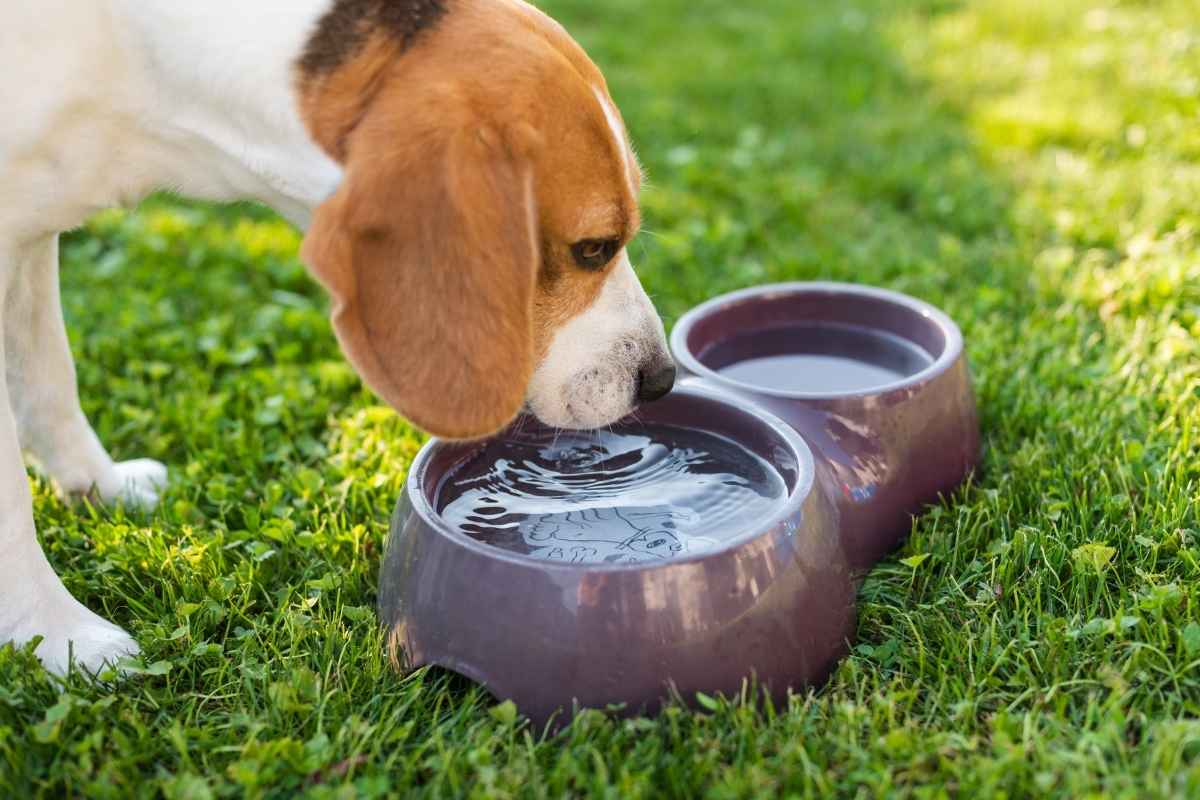
Ensure your pet has access to clean, cool water both indoors and outdoors. Refresh water bowls frequently throughout the day.
Carry Water During Walks
Bring a portable water bottle and collapsible bowl whenever you take your pet on walks, hikes, or outings.
Exercise During Cooler Hours
Plan walks and outdoor activities during the early morning or evening when temperatures are lower.
Create Shaded Rest Areas
If your pet spends time outdoors, provide shaded areas where they can rest comfortably away from direct sunlight.
Monitor Activity Levels
Avoid strenuous exercise during the hottest parts of the day. Frequent breaks help reduce overheating and fluid loss.
Feed Moisture-Rich Foods
Discuss dietary options with your veterinarian if your pet may benefit from foods with higher moisture content.
Keep Pets Indoors During Extreme Heat
On exceptionally hot days, limiting outdoor exposure can significantly reduce dehydration risk.
Special Hydration Considerations for Dogs
Dogs are particularly vulnerable to dehydration because they rely heavily on panting to cool themselves.
Brachycephalic Breeds
Breeds with short noses, such as Bulldogs, Pugs, and Boston Terriers, may have more difficulty regulating body temperature.
Active Dogs
Working dogs, sporting breeds, and highly energetic pets often require additional hydration due to increased activity levels.
Large Breeds
Larger dogs may need substantial amounts of water during summer months, especially after exercise.
If you have concerns about your dog’s hydration needs, consulting an experienced animal hospital Rialto pet owners trust can provide valuable guidance.
Special Hydration Considerations for Cats
Cats are naturally less inclined to drink water compared to dogs, which can increase dehydration risks.
Encourage Water Consumption
Provide multiple water stations throughout your home to make drinking more convenient.
Use Pet Water Fountains
Many cats prefer moving water, making fountains an effective way to encourage hydration.
Monitor Litter Box Habits
Changes in urination patterns may signal hydration issues that require attention.
Watch for Behavioral Changes
Lethargy, hiding, or reduced interaction may indicate discomfort associated with dehydration.
When Should You Contact a Veterinarian?
Immediate veterinary care may be necessary if your pet experiences:
- Persistent vomiting
- Collapse or weakness
- Difficulty breathing
- Excessive drooling
- Disorientation
- Inability to stand
- Severe lethargy
- Signs of heatstroke
Prompt treatment can significantly improve outcomes and reduce the risk of serious complications.
If you notice concerning symptoms, do not delay care. It is important to schedule for an appointment with a veterinary professional as soon as possible.
Creating a Summer Safety Plan for Your Pet
A proactive summer safety plan can help keep your pet healthy all season long.
Your plan should include:
- Daily access to fresh water
- Weather monitoring before outdoor activities
- Shaded rest areas
- Regular hydration checks
- Emergency veterinary contact information
- Safe travel preparations
By preparing ahead of time, you can reduce the risk of dehydration and enjoy a safer summer with your pet.
Protecting Your Pet Throughout the Summer
Summer dehydration is a preventable but potentially serious condition that every pet owner should take seriously. Understanding the warning signs, maintaining proper hydration, and adjusting daily routines during hot weather can help protect your pet from heat-related health problems.
Whether you have a playful puppy, an adventurous adult dog, a curious cat, or a senior companion, staying vigilant during warm weather is essential. Regular wellness monitoring and prompt attention to dehydration symptoms can help ensure your pet remains comfortable and healthy throughout the season.
At Valley Animal Hospital, we are committed to helping pets and their families stay safe during the hottest months of the year. Our experienced veterinary team provides comprehensive care and guidance to help Rialto pet owners address seasonal health concerns and support their pets’ long-term well-being. If you are searching for a trusted vet near me, our team is here to help your pet enjoy a safe and healthy summer.
Frequently Asked Questions
1. How much water should my pet drink during the summer?
Ans: Water needs vary based on your pet’s size, age, activity level, and health status. Hot weather generally increases water requirements, so always ensure fresh water is readily available.
2. Can dehydration become an emergency?
Ans: Yes. Severe dehydration can lead to heat exhaustion, heatstroke, organ dysfunction, and other serious complications that require immediate veterinary attention.
3. Are some pets more at risk for dehydration?
Ans: Yes. Puppies, kittens, senior pets, brachycephalic breeds, and highly active animals are often at greater risk during hot weather.
4. What should I do if I think my pet is dehydrated?
Ans: Move your pet to a cool area, provide access to water, and contact your veterinarian if symptoms persist or worsen.
5. How can I tell if my pet is drinking enough water?
Ans: Monitor water consumption, energy levels, gum moisture, and urination habits. Significant changes may indicate hydration concerns.
6. Is it safe to exercise my pet during hot summer afternoons?
Ans: It is generally safer to exercise pets during cooler morning or evening hours to reduce the risk of overheating and dehydration.