1786 N. Riverside Ave Suite #1, Rialto, CA 92376

How Veterinarians Support Your Pet’s Long-Term Health and Happiness
As a pet owner, it’s essential to understand that your pet’s well-being goes beyond just their immediate health needs. Long-term health and happiness require ongoing care and attention, and that’s where a dedicated veterinarian comes into play. From regular checkups to specialized treatments, veterinarians ensure that your pet remains healthy and content throughout their life.
At Valley Animal Hospital, we are committed to providing the highest standard of veterinary care in Rialto, CA, to support the long-term health and happiness of your furry family members. But what exactly do vets do to promote a long, healthy life for pets? In this blog, we’ll explore the various ways veterinarians contribute to your pet’s overall health and happiness.
Preventive Care: The Foundation of Long-Term Health
One of the most significant ways vets help your pet is through preventive care. Regular wellness visits allow your veterinarian to assess your pet’s overall health, catch potential issues early, and provide essential vaccinations to protect them from harmful diseases.
Vaccines are essential for preventing diseases like rabies, parvovirus, and distemper, which can be deadly for your pet. Your veterinarian will create a vaccination schedule based on your pet’s age, breed, and lifestyle. These vaccinations help ensure your pet is protected from diseases that could significantly impact their well-being.
Additionally, preventive care includes heartworm prevention, flea and tick control, and dental checkups. Many pets suffer from dental disease, which can lead to serious health issues like heart disease or kidney problems. A vet will assess your pet’s teeth and gums, recommend cleaning or treatments, and help prevent complications.
Early Detection and Treatment of Illnesses
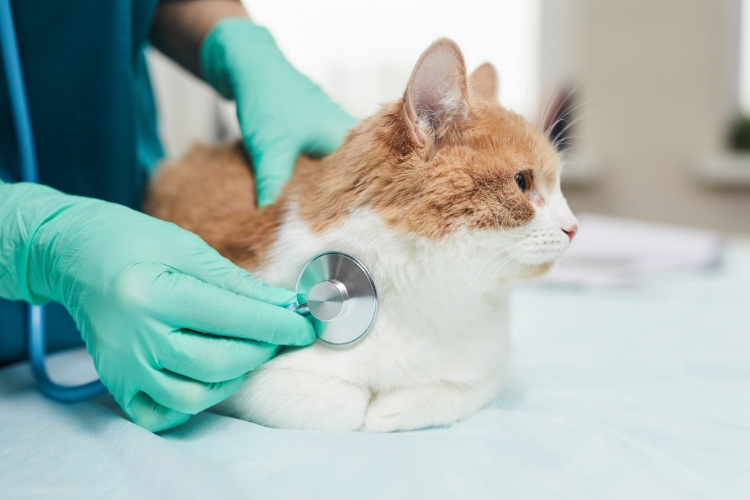
Regular checkups with your vet also provide an opportunity to detect any potential health issues before they become serious. Your pet may not show symptoms of illness until it is more advanced, which is why routine exams are vital. A vet will perform thorough physical exams to detect abnormalities such as lumps, heart murmurs, or joint issues.
Early detection can save your pet’s life. For example, conditions like cancer, kidney disease, or diabetes can be treated more effectively if detected in the early stages. Regular blood tests and urinalysis can help identify changes in your pet’s internal health, which may not be immediately visible.
Nutrition and Weight Management
Proper nutrition is essential for keeping your pet in good shape. A balanced diet tailored to your pet’s age, breed, and health condition plays a key role in maintaining their long-term health. Overfeeding or underfeeding your pet can lead to obesity or malnutrition, both of which can cause serious health problems.
Vets can guide you on the right type of food for your pet, whether that’s dry kibble, wet food, or specialized food for specific health conditions. If your pet is overweight, your veterinarian can recommend a diet plan and exercise routine to help them reach a healthier weight. Maintaining a healthy weight helps reduce the risk of joint problems, heart disease, and diabetes.
Specialized Care for Chronic Conditions
Just like humans, pets can develop chronic conditions that require ongoing management. Whether it’s arthritis, allergies, or diabetes, vets provide specialized care to ensure that pets with chronic conditions live comfortable lives.
For example, if your pet is diagnosed with arthritis, a veterinarian might recommend a combination of medication, supplements, and exercise to manage pain and improve mobility. They might also suggest weight management and physical therapy to support joint health.
Vets work closely with pet owners to manage these conditions and help pets continue to enjoy life. The goal is to minimize symptoms, slow disease progression, and enhance your pet’s quality of life.
Behavior and Mental Health
Veterinarians are not only concerned with your pet’s physical health but also their mental well-being. Behavioral problems like separation anxiety, aggression, or destructive behavior can be indicators of stress, anxiety, or boredom. Veterinarians are trained to recognize the signs of mental health issues in pets and can provide guidance on how to manage them.
In some cases, your vet may recommend behavioral therapy or medications to help your pet cope with their anxiety or other behavioral concerns. Keeping your pet mentally stimulated and emotionally balanced is essential for their long-term happiness.
Surgery and Emergency Care
There are times when pets may require surgery to treat an injury, illness, or other medical condition. Whether it’s a routine spaying or neutering procedure, orthopedic surgery, or emergency surgery after an accident, veterinarians are equipped to perform surgeries that improve the health and well-being of pets.
Emergency care is also crucial in critical situations. From broken bones to poisoning, veterinarians are trained to respond swiftly and provide the necessary medical treatment to save your pet’s life. Fast intervention can mean the difference between life and death, which is why having a trusted veterinarian available in times of crisis is so important.
End-of-Life Care: Supporting Your Pet’s Final Journey
As difficult as it is, one of the most compassionate things a veterinarian can do is help pet owners through the process of saying goodbye to their beloved pets. End-of-life care includes palliative care, which focuses on making your pet comfortable, as well as options like euthanasia when a pet’s suffering becomes too much to bear.
Veterinarians offer support during this emotional time, providing guidance on making the best decisions for your pet’s well-being and offering support for grieving pet owners.
Veterinarians do more than treat illnesses—they play an integral role in supporting your pet’s long-term health and happiness. From preventive care to specialized treatments and behavioral support, veterinarians at Valley Animal Hospital in Rialto, CA, are here to ensure your pet lives a long, happy, and healthy life. With their expertise, compassion, and dedication, your pet’s well-being is in good hands.
If you’re in Rialto, CA, and looking for a veterinarian near you, schedule an appointment with Valley Animal Hospital. Our veterinary team is here to provide the care your pet deserves.
FAQs
Q1. How often should my pet visit the veterinarian?
Ans. Pets should have a wellness exam at least once a year, but older pets or those with health issues may need more frequent visits.
Q2. What should I expect during a routine checkup?
Ans. A veterinarian will perform a physical exam, check your pet’s weight, teeth, and overall health, and may recommend vaccinations or other preventive treatments.
Q3. How can I help manage my pet’s weight?
Ans. Work with your veterinarian to develop a diet and exercise plan that’s appropriate for your pet’s breed, age, and health condition.
Q4. What are the signs that my pet may need surgery?
Ans. Signs include limping, difficulty breathing, changes in behavior, and visible wounds or swelling. If you notice these symptoms, consult your veterinarian promptly.
Q5. How can I tell if my pet has anxiety or stress?
Ans. Signs include excessive barking, chewing, hiding, or changes in eating and sleeping patterns. A veterinarian can help diagnose and manage anxiety.
Q6. What should I do if my pet experiences an emergency?
Ans. Contact your veterinarian immediately or visit an emergency animal clinic if your pet is injured or showing signs of severe illness.