1786 N. Riverside Ave Suite #1, Rialto, CA 92376

How to Improve Your Dog’s Bad Breath: Essential Dental Care Tips
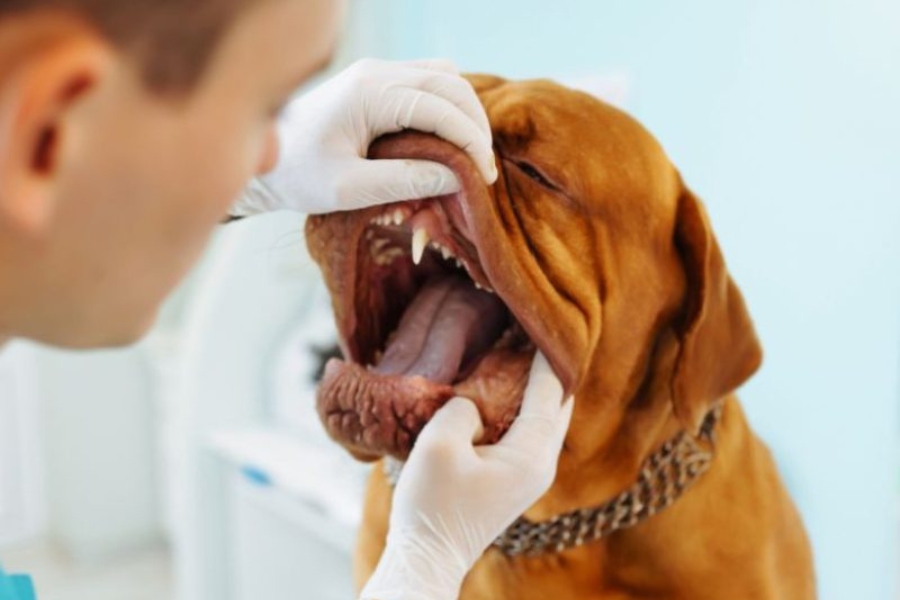
Bad breath in dogs, also known as halitosis, is more than just an unpleasant odor—it can indicate underlying dental or health problems. While many pet parents overlook it, consistent attention to your dog’s oral health can prevent serious issues and improve their comfort and well-being.
Just like humans, dogs require proper dog dental care to maintain healthy teeth and gums. Neglecting dental hygiene can lead to plaque and tartar buildup, gum disease, tooth decay, and even systemic problems affecting the heart or kidneys. Fortunately, with a combination of home care, professional checkups, and lifestyle adjustments, you can significantly reduce bad breath and improve your dog’s oral health.
If you are a pet owner in Rialto, CA, this guide will help you understand the causes of bad breath in dogs and how to implement effective dental care routines.
Common Causes of Bad Breath in Dogs
Before addressing bad breath, it’s important to understand the causes. While poor dental hygiene is the most common culprit, other factors can contribute.
1. Periodontal Disease
Periodontal disease occurs when plaque and tartar accumulate on your dog’s teeth and gums. This can cause inflammation, infection, and foul-smelling breath. Left untreated, periodontal disease may lead to tooth loss and affect overall health.
2. Dental Decay
Although cavities are less common in dogs than humans, tooth decay can occur when bacteria accumulate on the teeth. Decay can damage enamel and contribute to a persistent foul odor.
3. Gingivitis and Gum Disease
Gingivitis is inflammation of the gums caused by plaque buildup. If untreated, it can progress to severe gum disease, affecting teeth and underlying tissues, leading to chronic bad breath.
4. Oral Tumors
Oral growths, including tumors, may develop in the mouth, tongue, or gums. These growths can cause foul odors and require immediate veterinary evaluation to rule out cancer or other serious conditions.
5. Foreign Objects
Dogs may chew on sticks, toys, or other objects. Occasionally, small pieces get lodged between teeth or in the gums, causing irritation, infection, and bad breath.
6. Systemic Health Issues
Certain diseases, such as kidney or liver problems, can contribute to bad breath. “Uremic breath,” a distinct foul odor, may indicate kidney dysfunction, while liver disease can result in a strong ammonia-like smell.
Effective Ways to Manage and Prevent Bad Breath in Dogs
Improving your dog’s breath involves consistent care, proper diet, and regular veterinary visits. Below are practical steps to help your dog maintain a healthy mouth.
1. Brush Your Dog’s Teeth Regularly
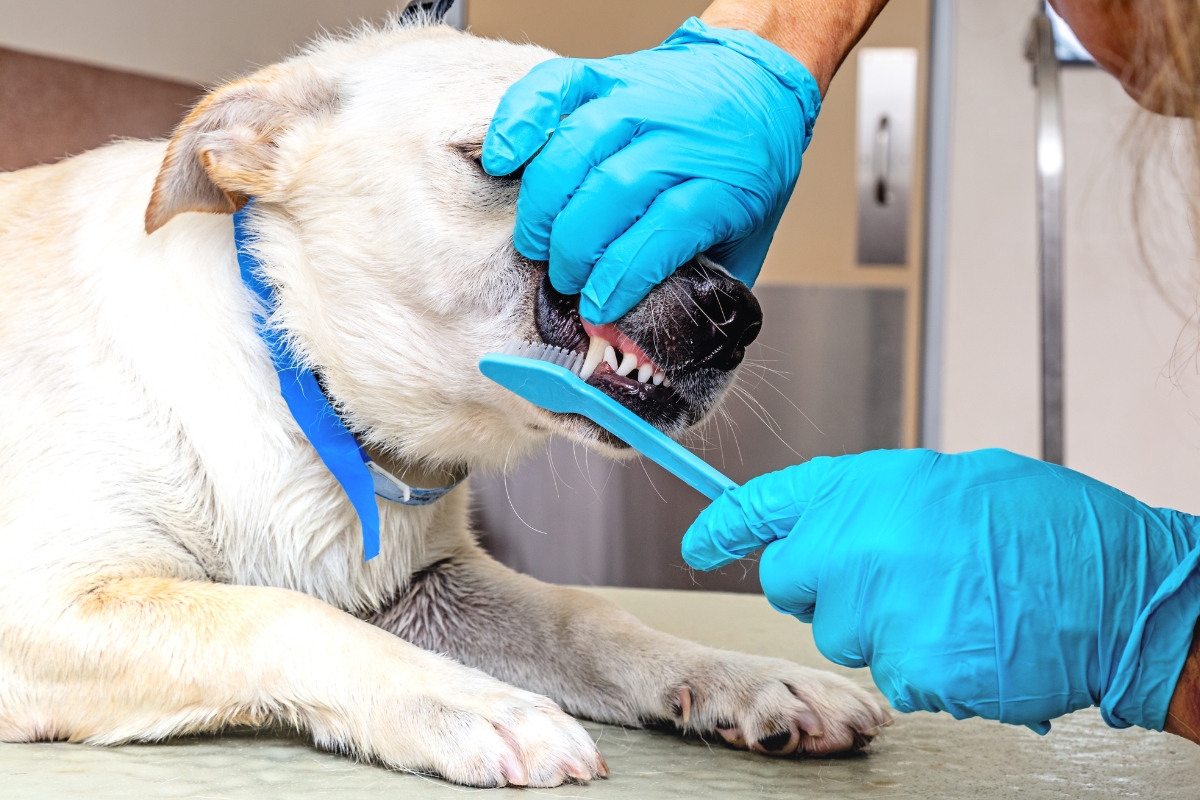
Brushing is the most effective home strategy for managing bad breath. Use a dog-specific toothbrush and toothpaste, as human toothpaste can be toxic to pets. Introduce brushing gradually, allowing your dog to get used to the sensation, and aim for at least 2-3 times per week. Daily brushing is ideal for optimal dog dental care.
2. Provide Dental Chews and Toys
Dental chews and specially designed toys help reduce plaque and tartar buildup. Chewing naturally scrapes teeth surfaces, promoting fresher breath and stronger gums. Ensure you choose treats and toys that are safe and approved for dogs.
3. Offer a Balanced Diet
High-quality dog food formulated to support dental health can prevent plaque accumulation. Avoid sugary human foods, which contribute to decay and gum disease. Some veterinary diets contain enzymes or kibble textures designed to clean teeth as dogs chew.
4. Schedule Regular Veterinary Checkups
Even with consistent home care, professional dental exams are essential. Veterinarians can identify early dental problems, perform cleanings, and provide advice tailored to your dog’s breed or health concerns. For example, breeds like German Shepherds are prone to periodontal issues, making routine professional care vital.
5. Consider Professional Dental Cleaning
If your dog’s breath does not improve with home care, a professional dental cleaning may be necessary. This procedure removes stubborn plaque and tartar, examines teeth for decay, and checks gums for disease or infection.
6. Monitor for Warning Signs
Keep an eye out for behaviors that may indicate dental problems, such as:
- Excessive drooling
- Difficulty eating or chewing
- Swollen or bleeding gums
- Pawing at the mouth
- Persistent bad breath despite care
Prompt attention can prevent serious complications and keep your dog healthy.
Tips for Maintaining Fresh Breath Daily
- Consistency is key: Regular brushing, dental chews, and proper diet work best when maintained daily.
- Hydration matters: Provide fresh water throughout the day to help rinse food particles and bacteria.
- Observe dental habits: Monitor chewing, food preference, and signs of discomfort. Early intervention ensures better outcomes.
- Introduce dental care gradually: Make oral hygiene a positive experience with treats and praise to reduce stress.
- Regularly inspect teeth and gums: Early detection of plaque, tartar, or lesions helps prevent long-term issues.
Bad breath in dogs is often preventable with the right combination of home care, diet, and professional guidance. Regular brushing, dental chews, professional cleanings, and veterinary checkups help maintain a healthy mouth and prevent serious complications.
If you are in Rialto, CA and looking for a dog dental care, book an appointment with Valley Animal Hospital. Our veterinary team is dedicated to helping your dog maintain a healthy mouth, fresh breath, and overall wellness.
FAQs
Q1. How often should I brush my dog’s teeth?
Aim for at least 2-3 times per week, though daily brushing is most effective in preventing plaque and bad breath.
Q2. Can dental chews replace brushing?
No, dental chews complement brushing but do not replace it. They help reduce plaque but cannot clean all surfaces.
Q3. Is bad breath a sign of serious illness?
Persistent bad breath may indicate dental disease or other health issues like kidney disease or oral tumors. Consult a veterinarian if it continues.
Q4. Can all dogs use human toothpaste?
Never use human toothpaste. It contains ingredients toxic to dogs. Always use toothpaste formulated specifically for dogs.
Q5. How can diet help improve my dog’s breath?
High-quality dog food with dental benefits, like kibble designed to scrape teeth, and avoiding sugary treats can reduce plaque and tartar buildup.
Q6. When should I schedule a professional dental cleaning?
If bad breath persists despite brushing and chews, or if your veterinarian detects plaque, tartar, or gum disease, schedule a professional cleaning promptly.