1786 N. Riverside Ave Suite #1, Rialto, CA 92376

10 Common Signs Your Dog Needs to See a Vet Right Away
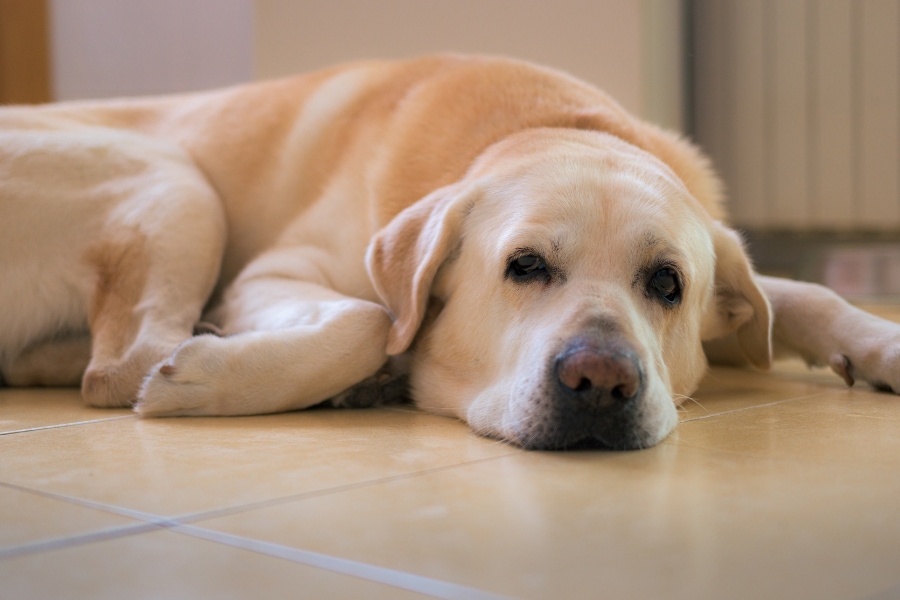
As a dog owner, you always want the best for your furry friend. While dogs are known for being tough and resilient, there are times when they need medical attention right away. Whether they’re exhibiting unusual behavior, suffering from pain, or showing signs of illness, it’s important to recognize when your dog needs to see a vet. In this post, we’ll go over 10 common signs that indicate your dog may need urgent veterinary care. This guide is especially helpful for dog owners in Rialto, CA, where timely care can make all the difference in your dog’s health.
1. Difficulty Breathing
If your dog is having trouble breathing, this is a serious sign that they need immediate medical attention. Dogs with labored or rapid breathing may be experiencing a respiratory issue, heart problem, or even an allergic reaction. Pay attention to any signs such as wheezing, excessive panting, or coughing. Difficulty breathing can be life-threatening and should never be ignored.
2. Vomiting or Diarrhea
While occasional vomiting or diarrhea may not be a cause for concern, if your dog is vomiting or having diarrhea frequently, it could indicate a more serious condition, such as an infection, toxin ingestion, or gastrointestinal issues. If the vomiting or diarrhea lasts for more than 24 hours, or if it’s accompanied by other symptoms like lethargy or a decrease in appetite, take your dog to the vet immediately.
3. Seizures or Unusual Behavior
Seizures are often a sign of an underlying neurological issue or poisoning. If your dog has a seizure, it’s important to remain calm and get them to the vet as quickly as possible. Unusual behavior, such as confusion, disorientation, or sudden aggression, can also be indicators of a serious medical issue like a stroke or neurological disorder.
4. Excessive Lethargy or Weakness
If your normally energetic dog is suddenly very weak or lethargic, it could be a sign of a serious health issue. Conditions like infections, anemia, or organ failure can cause these symptoms. If your dog refuses to eat or drink, or if they seem disoriented or unsteady, it’s time to see a vet.
5. Bleeding or Wounds
Any kind of bleeding that doesn’t stop after a few minutes or is not associated with a minor injury needs immediate attention. Deep cuts, puncture wounds, or bleeding from the nose, mouth, or rectum are all signs that something more serious is going on. Wounds can lead to infections or other complications, so it’s crucial to get your dog checked out right away.
6. Swollen Abdomen
A bloated or swollen abdomen could indicate a life-threatening condition called bloat, which occurs when the stomach fills with gas and twists on itself. Bloat can cause shock, and if not treated immediately, it can be fatal. Other causes of abdominal swelling, such as organ enlargement or fluid accumulation, are also concerning. If you notice your dog’s abdomen is swollen or painful to the touch, get them to the vet immediately.
7. Inability to Stand or Walk
If your dog suddenly cannot stand, walk, or seems to be in pain when moving, they may have injured their spine, legs, or joints. This could be caused by a herniated disc, broken bone, or severe arthritis. Sudden mobility issues can also indicate neurological problems. If your dog is limping or unable to move normally, contact a vet right away.
8. Loss of Appetite or Drinking Too Much Water
A sudden loss of appetite or excessive thirst could be signs of a serious health problem. Conditions like kidney disease, diabetes, or liver problems can cause these symptoms. If your dog is refusing food for more than 24 hours or drinking excessive amounts of water, it’s time to seek medical attention.
9. Excessive Scratching or Licking
While occasional scratching or licking is normal, excessive scratching or licking could indicate an allergy, infection, or skin condition. In some cases, it may be a sign of a more serious problem like parasites or hot spots. If your dog’s itching is constant, causing sores, or they are licking obsessively, it’s best to have them checked by a vet.
10. Eye or Nose Discharge
Clear eye discharge can be normal, but if your dog’s eyes are red, swollen, or producing green or yellow discharge, they may be suffering from an infection or injury. Likewise, excessive nasal discharge, especially if it’s thick and discolored, can be a sign of respiratory issues, such as a sinus infection or kennel cough. If you notice these symptoms, it’s important to get your dog checked right away.
Recognizing the signs that your dog needs immediate veterinary care is crucial for their well-being. Whether it’s difficulty breathing, vomiting, seizures, or any of the other symptoms listed above, swift action can make all the difference. If you’re in Rialto, CA, and your dog is showing any of these signs, don’t hesitate to get them to a vet as soon as possible. At Valley Animal Hospital, our team is dedicated to providing urgent care to ensure your dog stays healthy and happy.
If you are in Rialto and looking for a veterinarian near you, book an appointment with Valley Animal Hospital today. Our team is ready to provide your dog with the care they need.
FAQs
Q1. What should I do if my dog is having a seizure?
Ans. If your dog has a seizure, stay calm and ensure they are in a safe area. Do not attempt to move them or put anything in their mouth. Call a vet immediately.
Q2. How can I tell if my dog is in pain?
Ans. Signs of pain in dogs can include limping, excessive licking, whining, difficulty standing, or a change in behavior. If you suspect pain, contact your vet.
Q3. How do I know if my dog has a bloated stomach?
Ans. A bloated stomach may appear swollen, and your dog may be uncomfortable or reluctant to move. If you notice this, seek veterinary care immediately.
Q4. Can I treat my dog’s diarrhea at home?
Ans. If your dog’s diarrhea lasts more than 24 hours, or if they show other symptoms like vomiting or lethargy, contact a vet for guidance.
Q5. When should I be concerned about my dog’s breathing?
Ans. Difficulty breathing, excessive panting, or wheezing are signs that your dog needs immediate veterinary attention. These symptoms may indicate a serious condition like heart or respiratory problems.
Q6. What can cause my dog to suddenly refuse food?
Ans. A sudden loss of appetite can be caused by illness, stress, or pain. If your dog refuses food for more than 24 hours, contact a vet to determine the cause.