1786 N. Riverside Ave Suite #1, Rialto, CA 92376

The Importance of Regular Dental Cleanings for Your Pet
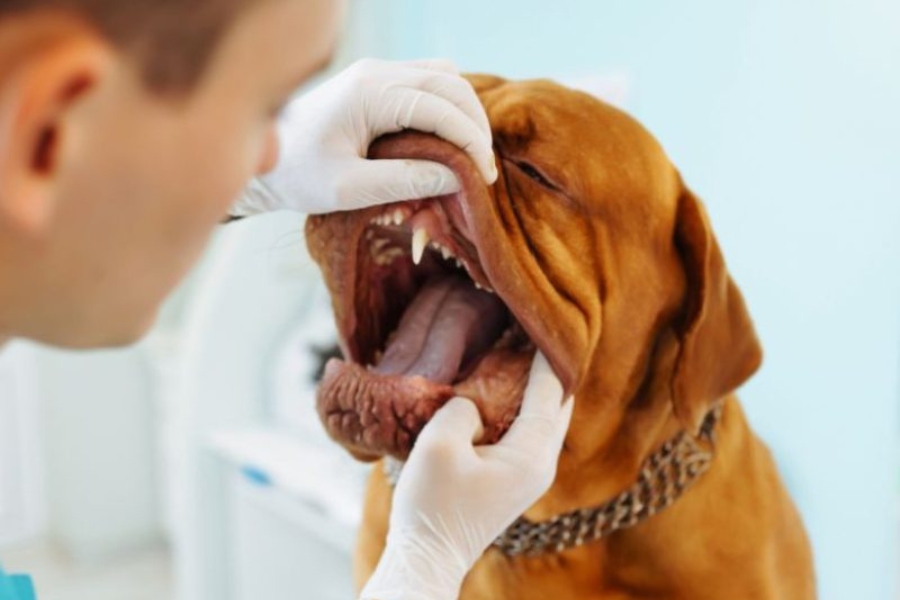
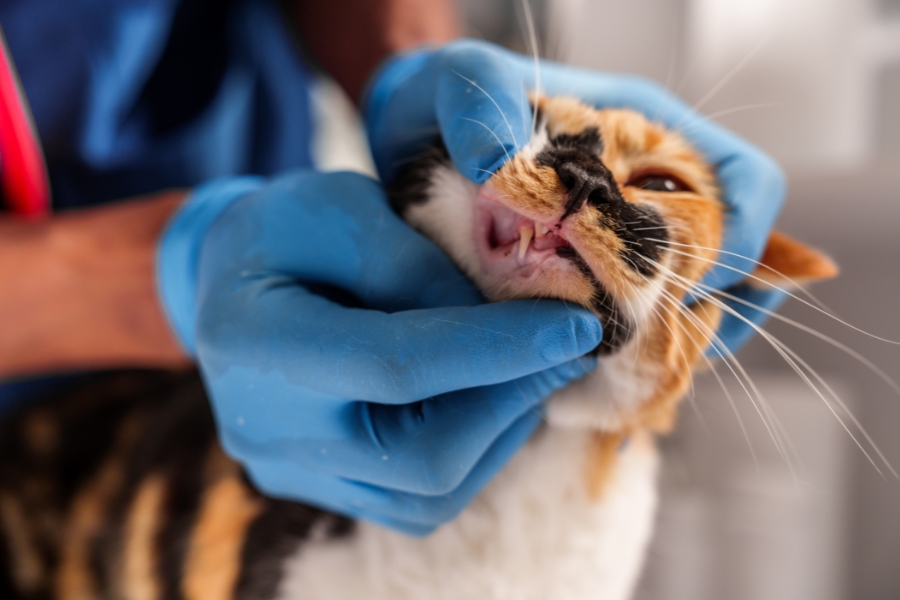
As a pet owner, you’re likely aware of the importance of your pet’s overall health—regular check-ups, exercise, and good nutrition all play vital roles. However, one aspect of pet health that often gets overlooked is dental care. Just like humans, pets can suffer from dental problems that, if left untreated, can lead to serious health issues. This is why regular dental cleanings are so crucial for your pet’s health and well-being.
In this blog, we’ll explore the significance of regular dental cleanings for pets, how they contribute to overall health, and what you can expect from a professional pet dental cleaning.
1. Preventing Periodontal Disease
Periodontal disease is one of the most common health issues affecting pets. This disease begins with the buildup of plaque and tartar on your pet’s teeth, which can lead to gum inflammation, infection, and eventual tooth loss if not addressed. In fact, it’s estimated that by the age of three, most pets will have some form of periodontal disease.
Regular dental cleanings help prevent the accumulation of plaque and tartar, keeping your pet’s teeth and gums healthy. During a professional cleaning, your veterinarian will remove plaque buildup both above and below the gum line, where brushing can’t always reach. This helps prevent the early stages of periodontal disease and ensures your pet’s mouth remains healthy.
2. Protecting Overall Health
Dental health is closely tied to your pet’s overall well-being. Bacteria from dental disease can spread to other parts of the body, including the heart, kidneys, and liver, leading to more severe health issues. For instance, dental bacteria can cause infections that affect your pet’s internal organs, making regular cleanings even more important.
By keeping your pet’s teeth clean, you’re helping to prevent the spread of harmful bacteria throughout their body. This reduces the risk of developing other conditions, such as heart disease or kidney failure, which can be life-threatening.
3. Preventing Bad Breath
While bad breath (or halitosis) in pets is often dismissed as a natural part of owning an animal, it’s often a sign of poor dental health. Bad breath is typically caused by the buildup of bacteria in your pet’s mouth, which can occur when they don’t receive regular dental care.
Regular cleanings not only freshen your pet’s breath but also help to remove food particles and bacteria that contribute to unpleasant odors. If your pet has chronic bad breath, it may be time for a professional dental cleaning to address any underlying dental issues.
4. Maintaining Your Pet’s Teeth and Gums
Just like humans, pets need their teeth and gums maintained throughout their lives. Regular cleanings ensure that your pet’s teeth are free of plaque and tartar, which can cause cavities and infections. If left untreated, dental issues can result in tooth loss, which can affect your pet’s ability to chew properly.
By having your pet’s teeth cleaned regularly, you’re helping to ensure they can continue to eat comfortably. Good dental care can also help reduce the risk of gum disease and maintain the overall health of your pet’s mouth.
5. Improving Your Pet’s Quality of Life
Pets with healthy teeth are more likely to enjoy their meals and engage in playful activities without the discomfort of dental pain. Regular dental cleanings improve your pet’s quality of life by preventing the pain and discomfort associated with dental disease. Pets with untreated dental problems may have trouble eating, chewing, or playing, which can lead to a reduced quality of life.
In addition, when your pet’s mouth is healthy, they are less likely to experience infections or other complications that may result in more invasive treatments later on.
6. Making Dental Care a Routine
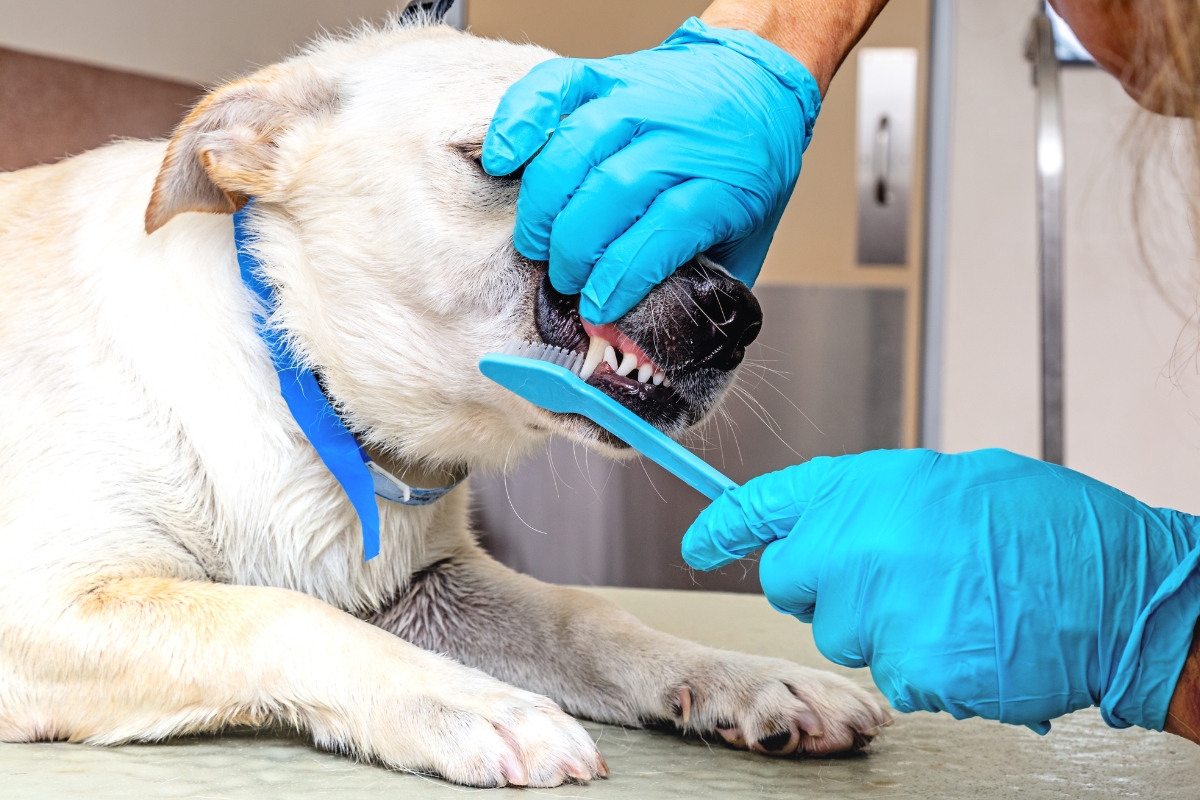
While regular veterinary cleanings are essential, maintaining good dental hygiene at home is equally important. Brushing your pet’s teeth regularly can help reduce plaque buildup and prevent the need for frequent cleanings. Your vet can provide guidance on the best tools and techniques for brushing your pet’s teeth.
In addition to brushing, providing dental chews or toys can also help keep your pet’s teeth clean between visits to the vet. By incorporating dental care into your pet’s daily routine, you can ensure they maintain a healthy mouth throughout their life.
In conclusion, regular dental cleanings are a vital part of your pet’s overall health care routine. From preventing periodontal disease and reducing the risk of serious health complications to improving your pet’s quality of life, routine dental care should not be neglected. If you’re looking for pet dental care in Rialto, CA, make sure to schedule an appointment with a trusted veterinarian who can help keep your pet’s teeth and gums healthy. Your pet deserves a lifetime of good health, and that begins with a healthy mouth.
FAQs
Q1. Why is dental care important for pets?
Ans. Dental care is crucial for preventing periodontal disease, bad breath, and overall health issues. It helps your pet maintain healthy teeth and gums, preventing pain and discomfort.
Q2. How often should my pet have a dental cleaning?
Ans. Pets should have a dental cleaning at least once a year, although some pets may need more frequent cleanings depending on their breed, age, and overall dental health.
Q3. Can I brush my pet’s teeth at home?
Ans. Yes, brushing your pet’s teeth at home is an effective way to maintain dental health. Use a pet-safe toothbrush and toothpaste, and try to brush your pet’s teeth several times a week.
Q4. What are the signs that my pet needs a dental cleaning?
Ans. Signs that your pet may need a dental cleaning include bad breath, swollen or bleeding gums, difficulty eating, and excessive drooling. If you notice these symptoms, schedule a dental exam with your vet.
Q5. Is anesthesia required for pet dental cleanings?
Ans. Yes, most veterinary dental cleanings are performed under anesthesia to ensure your pet stays still and comfortable during the procedure. This allows the vet to thoroughly clean all areas of the mouth.
Q6. What are the risks of not cleaning my pet’s teeth?
Ans. Failing to clean your pet’s teeth regularly can lead to periodontal disease, tooth loss, and the spread of harmful bacteria to other organs, including the heart and kidneys.