1786 N. Riverside Ave Suite #1, Rialto, CA 92376


How to Prepare for Your Pet’s First Vet Visit

Taking your pet to the vet for the first time can be an exciting yet anxious experience for both you and your furry friend. Whether you’ve adopted a new puppy, kitten, or senior pet, preparing for their first veterinary visit is key to making the experience as smooth and stress-free as possible. From finding the right vet to getting your pet comfortable with the process, there’s a lot you can do to ensure your pet’s first visit is a success. Here’s a comprehensive guide on how to prepare for your pet’s first vet visit, making it a positive experience for everyone involved.
1. Choosing the Right Veterinarian
Before scheduling your pet’s first vet visit, it’s crucial to choose the right veterinarian. Do your research and look for a veterinarian in Rialto, CA, with positive reviews and a reputation for compassionate care. Make sure the veterinarian’s clinic is convenient for you to access and offers services that cater to your pet’s specific needs. Many pet owners visit the clinic beforehand to get a feel for the facility and meet the staff.
At Valley Animal Hospital, we prioritize making both pets and their owners feel comfortable. Whether it’s a first visit for a puppy or a senior pet, we tailor our care to meet the specific needs of your pet.
2. Schedule an Appointment
Once you’ve selected a vet, it’s time to schedule the first appointment. It’s advisable to schedule it as soon as possible, especially for young pets, as they will need vaccines and preventive care. For puppies and kittens, it’s best to visit the vet by the time they’re 8 weeks old. Senior pets may require more frequent check-ups, so don’t hesitate to get them checked as soon as possible. Call the clinic and explain your pet’s age and any health concerns you may have, ensuring the appointment is tailored to your pet’s needs.
3. Prepare Your Pet for the Visit
Preparing your pet ahead of time can help ease any anxiety or stress they might feel about the visit. If your pet is still a puppy or kitten, start getting them used to their carrier or crate before the visit. Place their favorite toys or a blanket inside to make it feel more familiar. If your pet has never been in a carrier before, take them on short car rides to get them used to the experience.
For dogs, make sure they’re comfortable with being on a leash, as they’ll need to be securely restrained in the waiting area. If your pet tends to get nervous, consider using calming sprays, pheromone diffusers, or a calming collar to reduce anxiety. For cats, keeping them in a secure carrier is essential, as they may feel more vulnerable in a new environment.
4. Gather Important Documents
Before the appointment, ensure you gather all the necessary documents. This includes adoption papers, previous medical records (if applicable), and a list of any medications your pet is currently taking. For pets with pre-existing conditions, make a note of any symptoms or behaviors you’ve observed. This information will help the veterinarian get a comprehensive understanding of your pet’s health history and any potential concerns.
5. Make a List of Questions
Your first vet visit is the perfect opportunity to ask questions about your pet’s health. Writing down a list of questions ahead of time will help ensure you don’t forget anything. Common questions to ask include:
- What vaccinations does my pet need?
- How often should I bring my pet in for check-ups?
- What is the best diet for my pet?
- Are there any health concerns specific to my pet’s breed?
- Should I be concerned about any behaviors or symptoms my pet has shown?
This visit is also a great time to discuss any preventive care your pet may need, such as flea, tick, or heartworm prevention.
6. Stay Calm and Reassuring
Pets are very intuitive and can pick up on their owners’ emotions. If you’re nervous, your pet may become anxious too. It’s essential to remain calm and reassure your pet during the visit. Speak softly and calmly to them, and try to keep the visit as relaxed as possible. If your pet is nervous, the veterinarian and their staff will likely make accommodations to help ease the situation.
7. Arrive Early
Arriving at the vet clinic early gives you time to complete any necessary paperwork and allows your pet to acclimate to the new surroundings. The waiting area can be a bit overwhelming for some pets, so giving them a few extra minutes to adjust can help reduce anxiety. It also gives you a chance to observe the cleanliness and environment of the clinic to ensure it meets your standards.
8. What to Expect During the Visit
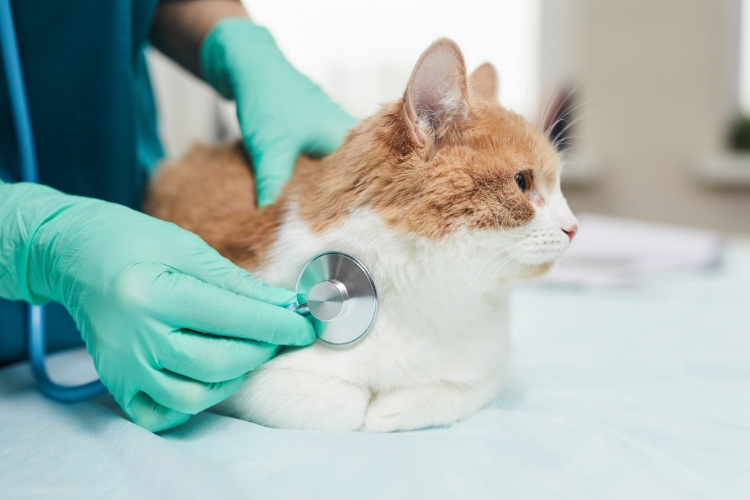
During the visit, your veterinarian will perform a full health check-up, which may include:
- Checking your pet’s teeth, ears, and eyes
- Listening to their heart and lungs
- Checking their weight and overall body condition
- Examining their skin, coat, and paws
- Ensuring they’re up-to-date on vaccinations
If your pet is a puppy or kitten, they will likely receive their first set of vaccinations and deworming treatments. Senior pets may undergo additional tests to check for age-related health issues.
Your veterinarian will also provide guidance on diet, exercise, and overall care. This is a great time to discuss any behavioral concerns or health issues you’ve noticed at home.
9. Post-Visit Care
After the visit, your veterinarian will provide a summary of the exam and any follow-up care instructions. This may include scheduling additional appointments for vaccinations or treatments, administering medication, or starting preventive care. You will also receive a report card of your pet’s health status, including weight and any concerns the vet may have observed.
Preparing for your pet’s first vet visit is an important step in ensuring their long-term health. By choosing the right vet, gathering necessary documents, and staying calm, you’ll set your pet up for success. If you’re looking for a veterinarian in Rialto, CA, Valley Animal Hospital is here to offer the best care possible. Our team is dedicated to providing high-quality care and building a lasting relationship with you and your pet.
FAQs
Q1. What should I bring to my pet’s first vet visit?
Ans. Bring your pet’s medical records, adoption papers, a list of current medications, and any behavioral notes. This will help the vet understand your pet’s needs and history.
Q2. How can I calm my pet before their first vet visit?
Ans. Try using a familiar carrier, calming sprays, or pheromone diffusers to ease your pet’s anxiety. Short car rides before the visit can also help them get accustomed to traveling.
Q3. How often should I bring my pet to the vet?
Ans. Most pets should have annual check-ups. However, puppies, kittens, and senior pets may need more frequent visits. Your vet can help establish the right schedule.
Q4. What vaccinations does my pet need?
Ans. The vaccinations your pet needs depend on their age, breed, and lifestyle. Common vaccines include rabies, parvo, distemper, and Bordetella. Your vet will provide a vaccination schedule.
Q5. Is it normal for pets to be nervous at the vet?
Ans. Yes, many pets feel anxious at the vet, especially if it’s their first visit. The vet and staff will work to make your pet feel as comfortable as possible during the appointment.
Q6. What should I expect after my pet’s first vet visit?
Ans. You’ll receive a health report card, and your vet will outline any follow-up care, including vaccinations, preventive treatments, or additional tests. Make sure to schedule any necessary appointments.