1786 N. Riverside Ave Suite #1, Rialto, CA 92376


Why Annual Wellness Exams Matter for Your Pet?
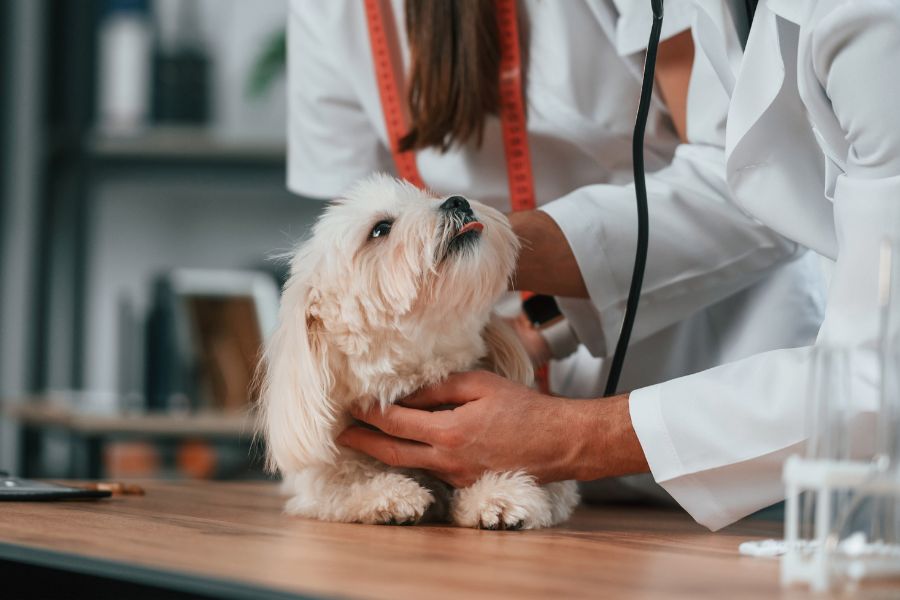
As a pet owner, you want nothing but the best for your furry companion. Ensuring they live a long, healthy life requires more than just feeding them the right food and providing ample exercise. Regular visits to the veterinarian for annual wellness exams play a crucial role in keeping your pet healthy. These exams are an essential part of preventive care, helping to catch potential health issues before they become serious problems.
In this blog, we’ll discuss why annual wellness exams are so important for your pet and what you can expect during these visits. By understanding the value of these exams, you’ll be better equipped to make informed decisions that benefit your pet’s health and well-being.
1. Early Detection of Health Issues
One of the most significant benefits of annual wellness exams is the early detection of potential health issues. Pets, especially cats and dogs, can be masters at hiding pain or discomfort. They may not show obvious signs of illness until a condition has progressed to a more serious stage. By scheduling regular wellness exams, your veterinarian can perform a thorough examination that may uncover hidden problems.
For example, dental disease, heart murmurs, or tumors can develop without visible symptoms. A wellness exam allows your vet to identify these conditions early, giving your pet a better chance at successful treatment. Catching health issues early also makes treatments less invasive and more affordable.
2. Preventive Care for Long-Term Health
During wellness exams, your vet will not only check for current issues but also take steps to prevent future health problems. Preventive care includes vaccinations, parasite control, and advice on diet and exercise. Vaccinations protect your pet from harmful diseases, while parasite control helps prevent flea, tick, and worm infestations. Preventive care ensures that your pet stays healthy and that common health threats are avoided.
Your vet will also provide guidance on the best nutrition for your pet’s age, breed, and lifestyle. Preventing obesity, which is becoming increasingly common in pets, is another important aspect of wellness exams. A balanced diet and regular exercise help maintain your pet’s overall well-being, reducing the risk of conditions like diabetes and joint problems.
3. Tracking Your Pet’s Growth and Development
If your pet is still young, annual wellness exams are essential for tracking their growth and development. Puppies and kittens experience rapid changes in their first year, and regular exams ensure they’re on the right track. For example, your vet will monitor your pet’s weight, teeth, and social behavior to ensure they’re developing properly.
In addition to physical growth, wellness exams provide an opportunity to discuss behavioral concerns. If your puppy or kitten is exhibiting anxiety or aggression, your vet can provide advice on how to address these issues early on. By establishing good habits from the start, you’re setting your pet up for a lifetime of happiness and health.
4. Monitoring Senior Pet Health
As your pet ages, annual wellness exams become even more crucial. Senior pets are more prone to health conditions such as arthritis, kidney disease, and cancer. Regular exams help your vet identify these issues before they cause significant discomfort or damage. Blood tests, urine tests, and other diagnostics become more common for senior pets to ensure that any age-related issues are detected and treated promptly.
Annual wellness exams also help your vet assess your senior pet’s mobility and quality of life. For example, if your dog is slowing down or having difficulty walking, your vet may recommend treatments or lifestyle changes to improve their comfort. Senior pets benefit greatly from these exams, as they help ensure they enjoy their golden years to the fullest.
5. Building a Strong Relationship with Your Veterinarian
Annual wellness exams allow you to build a strong relationship with your veterinarian, which is essential for your pet’s long-term health care. These visits provide an opportunity for your vet to get to know your pet’s personality, medical history, and any concerns you may have. The more your vet understands your pet, the better they can provide personalized care and advice.
Building a relationship with your veterinarian also allows for more effective communication. If your pet develops a sudden illness or injury, your vet will be more familiar with their medical background and can act quickly to diagnose and treat the issue. Regular wellness exams help create a trusting relationship, ensuring your pet gets the best care possible.
6. Reducing Stress for Both You and Your Pet
Routine visits to the vet can also reduce the stress and anxiety that sometimes accompany trips to the clinic. Pets who are accustomed to regular exams are more likely to remain calm during visits. By making wellness exams a routine part of your pet’s life, you’re helping them become familiar with the process and reducing the fear of unfamiliar environments and people.
For you, as a pet owner, knowing that your pet is in good health and receiving preventive care gives you peace of mind. Regular wellness exams ensure that you’re doing everything you can to support your pet’s health, reducing the worry that often comes with unexpected illnesses or health emergencies.
In conclusion, annual wellness exams are essential for your pet’s health. They allow for early detection of health issues, provide preventive care, track growth and development, monitor senior health, and strengthen your relationship with your veterinarian. By making annual exams a priority, you’re investing in your pet’s long-term health and happiness. If you’re looking for pet wellness exams in Rialto, CA, don’t hesitate to contact us today to schedule an appointment. Together, we can ensure your pet stays healthy, happy, and by your side for many years to come.
FAQs
Q1. What is included in a pet wellness exam?
Ans. A pet wellness exam includes a physical check-up, vaccinations, parasite control, blood tests, and a review of your pet’s diet and behavior.
Q2. How often should I take my pet for a wellness exam?
Ans. Pets should have a wellness exam at least once a year. Senior pets or those with health concerns may require more frequent visits.
Q3. At what age should I start annual wellness exams for my pet?
Ans. It’s best to start annual wellness exams as soon as you bring your pet home. Puppies and kittens should have their first exams by 8 weeks old.
Q4. Can wellness exams prevent health problems in pets?
Ans. Yes, wellness exams help prevent health problems by catching issues early and offering preventive care like vaccinations and parasite control.
Q5. Are wellness exams different for senior pets?
Ans. Yes, senior pets often require additional diagnostics, such as blood tests and urine analysis, to monitor age-related conditions like arthritis or kidney disease.
Q6. How can I make my pet more comfortable during wellness exams?
Ans. Get your pet used to the vet by making visits routine. Bring along treats, a favorite toy, or a blanket to keep them calm during the visit.