1786 N. Riverside Ave Suite #1, Rialto, CA 92376

Preparing Your Dog for Their First Professional Grooming Visit
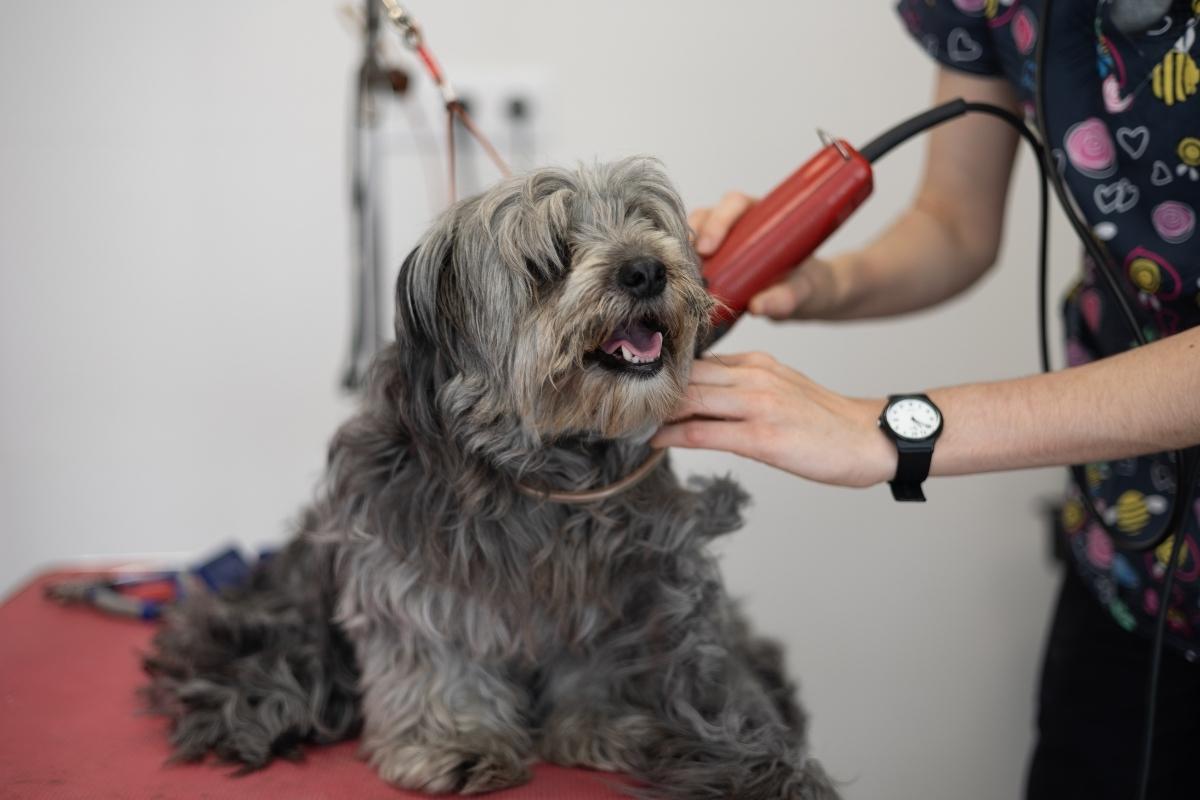
Preparing your dog for their first professional grooming visit is an important step in helping them feel comfortable, confident, and safe. Many dogs are unsure about unfamiliar places, sounds, and people, especially when they are introduced to grooming for the first time. A little preparation at home can make a significant difference and help ensure a positive experience.
Whether you have a playful puppy or an older dog that has never visited a groomer, understanding what to expect can help reduce stress for both you and your pet. Professional grooming offers more than a neat appearance, it supports skin and coat health, helps identify potential concerns early, and contributes to your dog’s overall well-being.
At Valley Animal Hospital, pet owners often ask how they can help their dogs have a successful first grooming appointment. The good news is that with patience, positive reinforcement, and a few simple steps, most dogs can learn to enjoy regular grooming sessions.
Why Professional Grooming Matters for Dogs
Professional grooming is an essential part of your dog’s overall care routine. Groomers are trained to handle dogs of different breeds, coat types, and temperaments while providing services that help maintain cleanliness and comfort.
Some benefits of professional grooming include:
- Removing loose hair and reducing shedding
- Preventing mats and tangles
- Maintaining healthy skin and coat condition
- Trimming nails to a safe length
- Cleaning ears when appropriate
- Improving your dog’s comfort and hygiene
Regular grooming can also help owners notice changes such as dry skin, lumps, bumps, or irritation that may require attention from a veterinarian in Rialto.
Signs Your Dog Is Ready for Their First Grooming Visit
Every dog is different. Some are naturally social and curious, while others are more cautious around new experiences.
Your dog may be ready for professional grooming if they:
- Are comfortable being touched around their paws, ears, and tail
- Respond well to basic commands
- Can spend short periods away from you without excessive anxiety
- Tolerate brushing at home
- Remain relatively calm around unfamiliar people
If your dog becomes nervous during handling, don’t worry. Many pets need time to adjust, and gradual exposure can help build confidence.
Start Handling Your Dog at Home
One of the best ways to prepare your dog for grooming is to practice gentle handling every day.
Spend a few minutes touching:
- Their paws
- Their ears
- Their muzzle
- Their tail
- Their legs and belly
Reward your dog with praise or treats after each session. This helps them associate handling with positive experiences.
For example, if your dog pulls their paw away when touched, don’t force them. Instead, touch the paw briefly, reward them, and gradually increase the duration over time.
Many grooming procedures involve handling these areas, so early practice can make appointments much smoother.
Get Your Dog Comfortable With Brushing
Brushing introduces dogs to an important part of the grooming process. Start with short sessions and choose a brush that matches your dog’s coat type.
Tips for successful brushing include:
- Keep sessions under five minutes initially.
- Offer treats throughout the process.
- Brush gently to avoid discomfort.
- End on a positive note.
Dogs with long or thick coats may require more frequent brushing, while short-haired breeds can often manage with less frequent sessions.
Consistent brushing not only reduces shedding but also teaches your dog that grooming tools are nothing to fear. If you notice skin irritation or excessive hair loss during brushing, consider consulting a provider of veterinary care in Rialto for additional guidance.
Introduce Grooming Sounds Before the Appointment
Professional grooming salons can be noisy environments. Hair dryers, clippers, and barking dogs may feel overwhelming to pets experiencing them for the first time.
You can help by exposing your dog to common grooming sounds at home.
Try:
- Playing recordings of clippers at low volume
- Running a hair dryer nearby
- Rewarding calm behavior
- Increasing exposure gradually
The goal isn’t to desensitize your dog overnight. Instead, you’re helping them become more familiar with sounds they may encounter during their visit.
Practice Short Car Rides
For some dogs, the most stressful part of grooming isn’t the appointment, it’s getting there.
If your dog isn’t accustomed to car travel, take them on several short rides before their grooming day. Start with five-minute trips and gradually increase the duration.
Helpful tips include:
- Bringing a favorite blanket
- Using a secure pet restraint
- Offering praise throughout the ride
- Ending the trip somewhere enjoyable
Reducing travel anxiety can contribute to a much more positive grooming experience.
Exercise Your Dog Before Their Appointment
A dog with excess energy may have a harder time staying calm during grooming.
On the day of the appointment, consider taking your dog for:
- A walk
- A game of fetch
- Light playtime in the yard
Avoid overly strenuous activity, but enough exercise can help your pet feel relaxed and more willing to cooperate.
Physical activity also provides mental stimulation, which can reduce nervous behaviors in unfamiliar environments.
Avoid Making a Big Deal About Leaving
Dogs are highly attuned to human emotions. If you appear anxious or overly emotional before dropping them off, your dog may interpret the situation as something to fear.
Instead:
- Keep your tone calm and upbeat.
- Use positive language.
- Avoid prolonged goodbyes.
- Act confidently during drop-off.
Your dog takes cues from you. A relaxed owner often leads to a more relaxed pet.
Share Important Information With the Groomer
Before the appointment, provide the groomer with helpful details about your dog’s personality and needs.
Be sure to mention:
- Anxiety triggers
- Sensitivity to touch
- Previous grooming experiences
- Behavioral concerns
- Any mobility limitations
The more information a groomer has, the better they can tailor the experience to your dog.
Communication is especially important for senior dogs or pets with unique requirements. Your veterinarian in Rialto may also offer recommendations if you have concerns about your dog’s comfort during grooming.
What Happens During a First Grooming Appointment?
Many pet owners feel nervous because they don’t know what to expect.
While services vary, a first grooming visit often includes:
Initial Assessment
The groomer evaluates your dog’s coat condition, temperament, and grooming needs.
Brushing and Detangling
Loose hair and minor mats are carefully removed.
Bathing
Dogs are bathed using pet-safe shampoos appropriate for their coat and skin type.
Drying
Towels and dryers are used to dry the coat thoroughly.
Nail Trimming
Nails are trimmed to improve comfort and mobility.
Ear Cleaning
Basic ear cleaning may be performed when appropriate.
Hair Trimming
Depending on breed and owner preferences, coats may be trimmed or styled.
Many groomers adjust the pace of the appointment for first-time visitors to help them remain comfortable throughout the process.
Common Mistakes Pet Owners Should Avoid
Preparing for your dog’s first grooming visit doesn’t have to be complicated, but there are a few common mistakes to avoid.
Waiting Too Long
Dogs that are introduced to grooming early often adapt more easily than those that have years without handling or brushing.
Skipping Home Preparation
A dog that has never experienced brushing, nail handling, or grooming sounds may find the appointment overwhelming.
Ignoring Signs of Stress
Watch for signs such as:
- Excessive panting
- Trembling
- Hiding
- Lip licking
- Yawning
- Refusing treats
These behaviors can indicate nervousness and may signal the need for slower introductions.
Choosing Unrealistic Expectations
Remember that a successful first appointment doesn’t necessarily mean your dog will love grooming immediately. Sometimes, success simply means they tolerated the experience better than expected.
How Often Should Dogs Be Professionally Groomed?
The ideal grooming schedule depends on your dog’s breed, coat type, and lifestyle.
General guidelines include:
- Long-haired breeds: Every 4–6 weeks
- Curly-coated breeds: Every 4–8 weeks
- Double-coated breeds: Every 6–12 weeks
- Short-haired breeds: As needed
Your veterinarian or groomer can recommend a schedule that works best for your pet.
If you’re looking for a trusted source of veterinary care in Rialto, maintaining a regular wellness and grooming routine can help support your dog’s long-term health and comfort.
Helping Your Dog Build Positive Grooming Experiences
The first grooming appointment is only the beginning. Dogs that consistently have positive experiences are more likely to remain cooperative during future visits.
Continue to:
- Practice handling exercises at home
- Maintain regular brushing
- Reward calm behavior
- Keep grooming appointments consistent
- Monitor your dog’s comfort level
With time and patience, many dogs begin to view grooming as a normal part of life.
If you have questions about your dog’s skin, coat, or overall health before their first grooming experience, Valley Animal Hospital is here to help. Pet owners searching for a vet near you or an experienced veterinarian in Rialto can contact our team for guidance. To schedule for an appointment, call 951-284-9744.
FAQs
1. At what age should a dog have their first professional grooming appointment?
Ans: Many dogs can have their first grooming experience when they are young and comfortable being handled. Early introductions often help pets become more relaxed during future visits.
2. How can I tell if my dog is nervous about grooming?
Ans: Common signs include trembling, panting, hiding, excessive licking, and avoiding handling. Gradual preparation at home can help reduce anxiety.
3. Should I feed my dog before a grooming appointment?
Ans: A light meal is generally fine unless your groomer provides different instructions. Avoid feeding a large meal immediately before the visit.
4. What should I bring to my dog’s first grooming appointment?
Ans: Bring any relevant information about your dog’s behavior, sensitivities, and grooming preferences. You may also want to bring a favorite toy or blanket if permitted.
5. How long does a first grooming appointment usually take?
Ans: The length varies depending on your dog’s size, coat condition, and temperament. First appointments may take longer because groomers often work at a pace that helps dogs feel comfortable.
6. Can professional grooming help improve my dog’s overall health?
Ans: Professional grooming supports hygiene, coat maintenance, and comfort. It may also help identify skin or coat changes that should be discussed with a veterinary professional.
