1786 N. Riverside Ave Suite #1, Rialto, CA 92376

How Delayed Neutering May Impact Your Dog’s Behavior and Wellness
Neutering is one of the most common veterinary procedures performed for dogs, but the timing of the surgery can play an important role in your pet’s long-term health and behavior. While some pet owners choose early neutering, others delay the procedure for various reasons, including breed recommendations, growth concerns, or personal preference. Understanding how delayed neutering may affect your dog can help you make an informed decision that supports lifelong wellness.
From behavioral changes to physical health considerations, delaying neutering can influence many aspects of your dog’s development. Consulting with a veterinarian about the right timing for your pet is essential to ensure the best outcome for their overall health and quality of life.
What Is Neutering?
Neutering is a veterinary surgery that removes a male dog’s testicles, preventing reproduction and reducing the production of testosterone. This routine procedure is commonly recommended as part of preventive pet healthcare.
In addition to preventing unwanted litters, neutering may help reduce certain health risks and behavioral concerns. However, the timing of the procedure matters because hormones play a role in growth, development, and behavior during a dog’s early life.
Why Some Pet Owners Delay Neutering
There are several reasons why dog owners may choose to delay neutering. In some cases, veterinarians recommend waiting until a dog reaches physical maturity, especially for large or giant breeds that continue growing for a longer period.
Other reasons for delayed neutering may include:
- Concerns about growth plate development
- Participation in dog shows or breeding programs
- Behavioral training goals
- Misunderstandings about the procedure
- Fear of anesthesia or surgery
Although delayed neutering may offer certain developmental benefits in select cases, it can also increase the likelihood of behavioral and medical concerns if postponed too long.
Behavioral Changes Associated With Delayed Neutering
Hormones can significantly influence a dog’s behavior, especially during adolescence and adulthood. Testosterone may contribute to behaviors that become more difficult to manage over time if neutering is delayed.
Increased Marking and Territorial Behavior
Male dogs that remain unneutered for longer periods are more likely to mark their territory indoors or outdoors. Urine marking is often hormone-driven and may become a learned habit that continues even after neutering if left unchecked for too long.
Roaming and Escaping
Dogs with elevated hormone levels may be more motivated to roam in search of female dogs in heat. This can increase the risk of escaping from yards, getting lost, or being involved in accidents or fights.
Aggression Toward Other Dogs
Some unneutered dogs may display increased dominance or aggression toward other male dogs. While neutering does not solve every behavioral issue, it may help reduce hormone-related aggression in certain pets.
Mounting Behavior
Delayed neutering may lead to increased mounting behaviors directed toward people, objects, or other animals. This behavior can become difficult to correct if it becomes habitual.
Difficulty With Focus and Training
Hormonal influences may make some dogs more distracted or less responsive during training sessions. Neutering at the appropriate time can sometimes improve concentration and reduce impulsive behaviors.
Health Risks Linked to Delayed Neutering
In addition to behavioral concerns, postponing neutering may increase the risk of several health conditions.
Increased Risk of Testicular Cancer
Because neutering removes the testicles, it completely eliminates the risk of testicular cancer. Dogs that are not neutered remain susceptible to this condition as they age.
Prostate Problems
Unneutered male dogs are more likely to develop prostate enlargement and infections later in life. These conditions may cause discomfort, urinary difficulties, and other complications.
Higher Risk of Injuries
Dogs that roam or display aggressive behaviors are more likely to suffer injuries from traffic accidents, fights, or other dangerous situations.
Potential Hormonal Stress
Long-term hormonal exposure may contribute to stress-related behaviors and lifestyle challenges that affect your dog’s emotional well-being.
Are There Any Benefits to Delaying Neutering?
The ideal neutering timeline may vary depending on your dog’s breed, size, and health history. Some studies suggest that delaying neutering in large-breed dogs may support proper bone and joint development because hormones influence growth plate closure.
Potential benefits of delayed neutering in certain cases may include:
- Improved skeletal development in large breeds
- Reduced risk of some orthopedic conditions
- More complete physical maturity before surgery
However, these potential advantages should always be balanced against behavioral concerns and medical risks. Your veterinarian can help determine the best timing based on your dog’s unique needs.
How Veterinarians Determine the Right Timing
There is no universal answer for when a dog should be neutered. Veterinarians consider several factors before making recommendations, including:
- Breed and adult size
- Age and developmental stage
- Existing medical conditions
- Behavioral history
- Lifestyle and activity level
A personalized approach helps ensure your dog receives the greatest long-term health benefits from the procedure.
What to Expect During Veterinary Surgery
Neutering is considered a routine veterinary surgery, but professional care is essential to ensure safety and comfort throughout the process.
Before surgery, your dog will undergo a physical examination and may receive blood testing to evaluate overall health. During the procedure, anesthesia is carefully monitored by the veterinary team.
After surgery, most dogs recover quickly with proper rest and aftercare. Your veterinarian may recommend:
- Limiting activity for several days
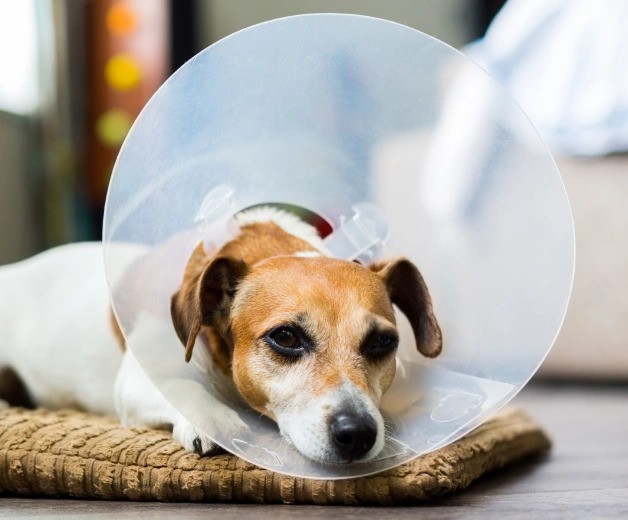
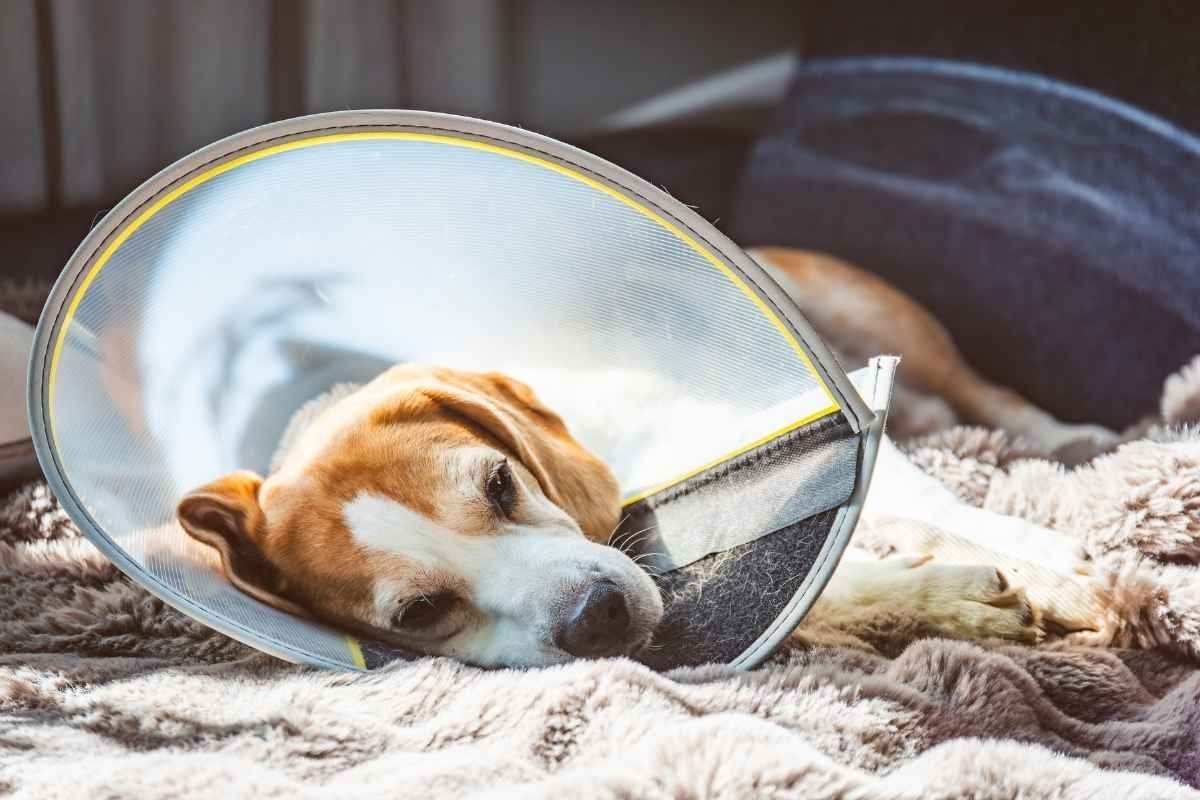
- Using an e-collar to prevent licking
- Monitoring the incision site
- Providing prescribed pain medications
Most pets return to normal routines within a short recovery period.
Signs It May Be Time to Discuss Neutering
If your dog is displaying hormone-related behaviors or approaching maturity, it may be time to speak with your veterinarian about neutering options.
Signs to watch for include:
- Frequent marking
- Escaping or roaming tendencies
- Increased aggression
- Mounting behaviors
- Difficulty focusing during training
Early conversations with your veterinarian can help prevent behaviors from becoming more established over time.
The Importance of Preventive Veterinary Care
Neutering is just one part of a comprehensive wellness plan. Preventive veterinary care helps detect health concerns early and supports a longer, healthier life for your pet.
Routine veterinary visits may include:
- Wellness exams
- Vaccinations
- Dental care
- Diagnostic testing
- Nutritional guidance
- Parasite prevention
Partnering with a trusted veterinary team allows you to make informed decisions about your dog’s care at every stage of life.
Why Choose Our Animal Hospital?
Choosing the right veterinary provider is essential when considering procedures like neutering and other forms of veterinary surgery. At Valley Animal Hospital, pets receive compassionate, personalized care tailored to their unique health needs.
As a trusted Valley Animal Hospital, the team is committed to helping pets live healthier lives through preventive medicine, advanced diagnostics, and professional surgical services. Whether your dog needs guidance on neutering, wellness care, or other medical support, the hospital provides attentive care in a welcoming environment.
If you are looking for an experienced animal hospital Rialto pet owners can trust for veterinary surgery and wellness services, the team is ready to help. Schedule an appointment today to discuss the best care plan for your dog’s long-term health and behavior.
Frequently Asked Questions
1. What age should a dog be neutered?
Ans: The ideal age varies depending on breed, size, and overall health. Small breeds may be neutered earlier, while larger breeds may benefit from waiting until physical maturity.
2. Can delayed neutering increase aggression?
Ans: In some dogs, prolonged hormone exposure may contribute to aggression or dominance-related behaviors, especially toward other male dogs.
3. Does neutering change a dog’s personality?
Ans: Neutering typically does not change a dog’s core personality. However, it may reduce hormone-driven behaviors like roaming, marking, and mounting.
4. Is neutering considered safe?
Ans: Yes, neutering is a common and generally safe veterinary surgery when performed by an experienced veterinary team with proper monitoring and aftercare.
5. Will neutering calm my dog down?
Ans: Some dogs become less distracted and easier to manage after neutering, but training and consistent routines are still important for behavior management.
6. How long does recovery take after neutering?
Ans: Most dogs recover within 10 to 14 days. Your veterinarian will provide detailed aftercare instructions to support healing and comfort.