1786 N. Riverside Ave Suite #1, Rialto, CA 92376

How Much Should a Puppy Eat? Vet-Recommended Feeding Tips
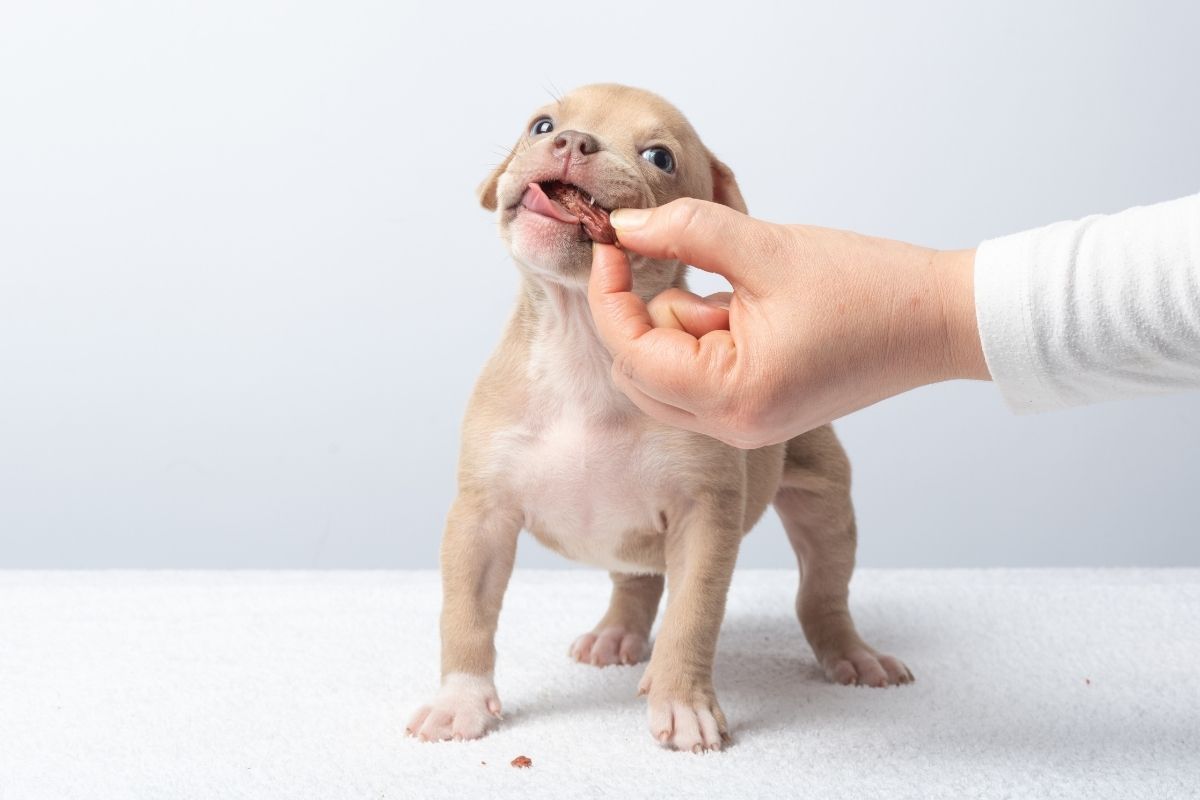
Bringing home a new puppy is exciting, but it also comes with many responsibilities, especially when it comes to nutrition. One of the most common questions new pet parents ask is, “How much should my puppy eat?” The answer depends on several factors, including your puppy’s age, breed size, activity level, and overall health.
At Valley Animal Hospital in Rialto, veterinarians often help pet owners create healthy feeding routines that support proper growth and long-term wellness. Feeding the right amount of food at the right times can make a major difference in your puppy’s development, energy levels, and digestive health.
In this guide, we’ll explain how much puppies should eat, how often to feed them, and vet-recommended tips to help your furry friend thrive.
Why Proper Puppy Nutrition Matters
Puppies grow rapidly during their first year of life. Their bodies need balanced nutrition to support:
- Bone and joint development
- Muscle growth
- Brain function
- Immune system health
- Healthy skin and coat
- Strong teeth and gums
Feeding too little can lead to nutritional deficiencies, while overfeeding may cause obesity and joint problems later in life. That’s why portion control and high-quality puppy food are essential.
Factors That Determine How Much a Puppy Should Eat
There’s no one-size-fits-all feeding plan for puppies. Several factors influence how much food your puppy needs each day.
1. Age
Young puppies require more frequent meals because their stomachs are small and they burn energy quickly.
General feeding guidelines by age:
- 6–12 weeks: 4 meals per day
- 3–6 months: 3 meals per day
- 6–12 months: 2 meals per day
As puppies mature, their calorie needs gradually stabilize.
2. Breed Size
Large and small breed puppies have different nutritional needs.
Small Breed Puppies
Small breeds like Chihuahuas or Yorkies have fast metabolisms and may need calorie-dense food in smaller portions.
Medium Breed Puppies
Breeds like Beagles or Bulldogs typically need balanced portions and moderate calorie intake.
Large Breed Puppies
Large breeds such as Labrador Retrievers or German Shepherds require controlled growth to reduce stress on developing joints and bones. Puppy food often contains adjusted calcium and phosphorus levels to support safe growth.
3. Activity Level
Highly active puppies burn more calories than less active ones. Puppies that enjoy long walks, playtime, or training sessions may need slightly larger portions.
4. Type of Food
Different puppy foods have different calorie densities. Dry kibble, wet food, raw diets, and homemade meals all vary in calories and nutrients.
Always check the feeding chart on the packaging and consult your veterinarian for personalized guidance.
How Much Food Should Puppies Eat Daily?
Most commercial puppy food brands provide feeding guidelines based on your puppy’s weight and age. However, these charts are starting points, not strict rules.
Here’s a general example:
| Puppy Weight | Approximate Daily Food Amount |
| 2–5 lbs | ½ to 1 cup |
| 6–10 lbs | 1 to 1½ cups |
| 11–20 lbs | 1½ to 2½ cups |
| 21–50 lbs | 2½ to 4 cups |
These amounts should usually be divided into multiple meals throughout the day.
Remember that treats also count toward your puppy’s daily calorie intake.
Signs Your Puppy Is Eating the Right Amount
A healthy feeding routine should help your puppy maintain steady growth without becoming overweight.
Healthy Signs Include:
- Consistent energy levels
- Healthy weight gain
- Firm stools
- Shiny coat
- Good muscle tone
Signs of Overfeeding:
- Rapid weight gain
- Difficulty feeling ribs
- Loose stools
- Excessive gas
Signs of Underfeeding:
- Low energy
- Visible ribs or spine
- Poor growth
- Constant hunger
If you notice sudden weight changes or digestive issues, it’s best to schedule a veterinary evaluation.
Best Feeding Schedule for Puppies
Consistency is important for puppies. Feeding meals at the same times each day supports digestion and helps with potty training.
Example Puppy Feeding Schedule
8–12 Weeks Old
- Breakfast: 7 AM
- Lunch: 12 PM
- Dinner: 5 PM
- Small evening meal: 8 PM
3–6 Months Old
- Breakfast: 7 AM
- Lunch: 1 PM
- Dinner: 6 PM
6+ Months Old
- Breakfast: 7 AM
- Dinner: 6 PM
Avoid free-feeding unless specifically recommended by your veterinarian.
Choosing the Right Puppy Food
Not all dog foods are designed for growing puppies. Look for food labeled specifically for puppies or “growth and development.”
Important Nutrients for Puppies
Protein
Supports muscle development and healthy growth.
DHA
An omega-3 fatty acid that helps brain and vision development.
Calcium and Phosphorus
Essential for strong bones and teeth.
Healthy Fats
Provide energy and support skin and coat health.
Wet Food vs. Dry Food for Puppies
Both wet and dry puppy foods have benefits.
Dry Food Benefits
- Supports dental health
- Convenient storage
- Cost-effective
Wet Food Benefits
- Higher moisture content
- Easier for picky eaters
- Softer texture for young puppies
Some pet owners combine both for variety and balanced nutrition.
Human Foods Puppies Should Avoid
Certain foods that are safe for humans can be dangerous for puppies.
Toxic Foods Include:
- Chocolate
- Grapes and raisins
- Onions and garlic
- Xylitol
- Alcohol
- Caffeine
- Macadamia nuts
Even fatty table scraps can cause digestive upset or pancreatitis.
Transitioning to Adult Dog Food
Most puppies transition to adult food between 9 and 18 months, depending on breed size.
General Guidelines:
- Small breeds: Around 9–12 months
- Medium breeds: Around 12 months
- Large breeds: Around 12–18 months
Switch foods gradually over 7–10 days to avoid stomach upset.
Common Puppy Feeding Mistakes
Overfeeding Treats
Treats should make up no more than 10% of daily calories.
Feeding Adult Dog Food Too Early
Adult food may not provide the nutrients puppies need for growth.
Sudden Diet Changes
Abrupt food changes can cause vomiting or diarrhea.
Ignoring Portion Sizes
Measuring meals helps prevent accidental overfeeding.
When to Talk to Your Veterinarian
Every puppy is unique, and nutritional needs can vary widely based on breed, health conditions, and growth patterns.
You should contact your veterinarian if your puppy experiences:
- Persistent diarrhea
- Vomiting
- Poor appetite
- Rapid weight gain or loss
- Food allergies or sensitivities
Routine wellness exams help ensure your puppy is growing properly and receiving balanced nutrition.
If you have questions about your puppy’s diet or feeding routine, the veterinary team at Valley Animal Hospital in Rialto can help you create a personalized nutrition plan. Don’t hesitate to book an appointment to discuss your puppy’s health, feeding schedule, and wellness needs.
FAQs
1. How many times a day should I feed my puppy?
Young puppies usually need 3–4 meals per day. As they grow older, most transition to two meals daily by around 6–12 months.
2. Can I give my puppy treats every day?
Yes, but treats should be limited and used in moderation. Too many treats can lead to weight gain and nutritional imbalance.
3. What type of food is best for puppies?
High-quality puppy food formulated for growth and development is typically best. Your veterinarian can recommend options based on breed size and health needs.
4. How do I know if my puppy is overweight?
You should be able to feel your puppy’s ribs without pressing hard. If the waistline is difficult to see or the puppy gains weight rapidly, consult your veterinarian.
5. Is wet food better than dry food for puppies?
Both can be healthy options. Wet food offers hydration and palatability, while dry food supports dental health and convenience.
6. When should puppies switch to adult dog food?
Most puppies transition to adult food between 9 and 18 months depending on their breed size and growth rate.
