1786 N. Riverside Ave Suite #1, Rialto, CA 92376

Stings and Bites in Pets: What Every Owner Should Know
Pets are naturally curious, and their exploration often leads them into situations where they may get stung or bitten by insects, spiders, or even other animals. While many cases are mild, some stings and bites can lead to serious allergic reactions or infections that require immediate veterinary attention. Understanding the signs, risks, and first-aid steps can help you protect your pet’s health and ensure timely treatment when needed.
At Valley Animal Hospital, serving Rialto and surrounding areas, we often see pets suffering from insect stings, spider bites, and animal bites, especially during warmer months. Knowing what to look for and how to respond can make a big difference in your pet’s recovery.
Common Causes of Stings and Bites in Pets
Pets can be bitten or stung in many everyday situations. Some of the most common causes include:
1. Insect Stings (Bees, Wasps, and Hornets)
Bees and wasps are the most frequent culprits. Dogs and cats may accidentally step on or try to catch them, leading to painful stings, often on the face, paws, or mouth.
2. Spider Bites
Spiders such as black widows or brown recluses can deliver venomous bites. While rare, these bites can cause serious symptoms and require immediate veterinary care.
3. Flea and Tick Bites
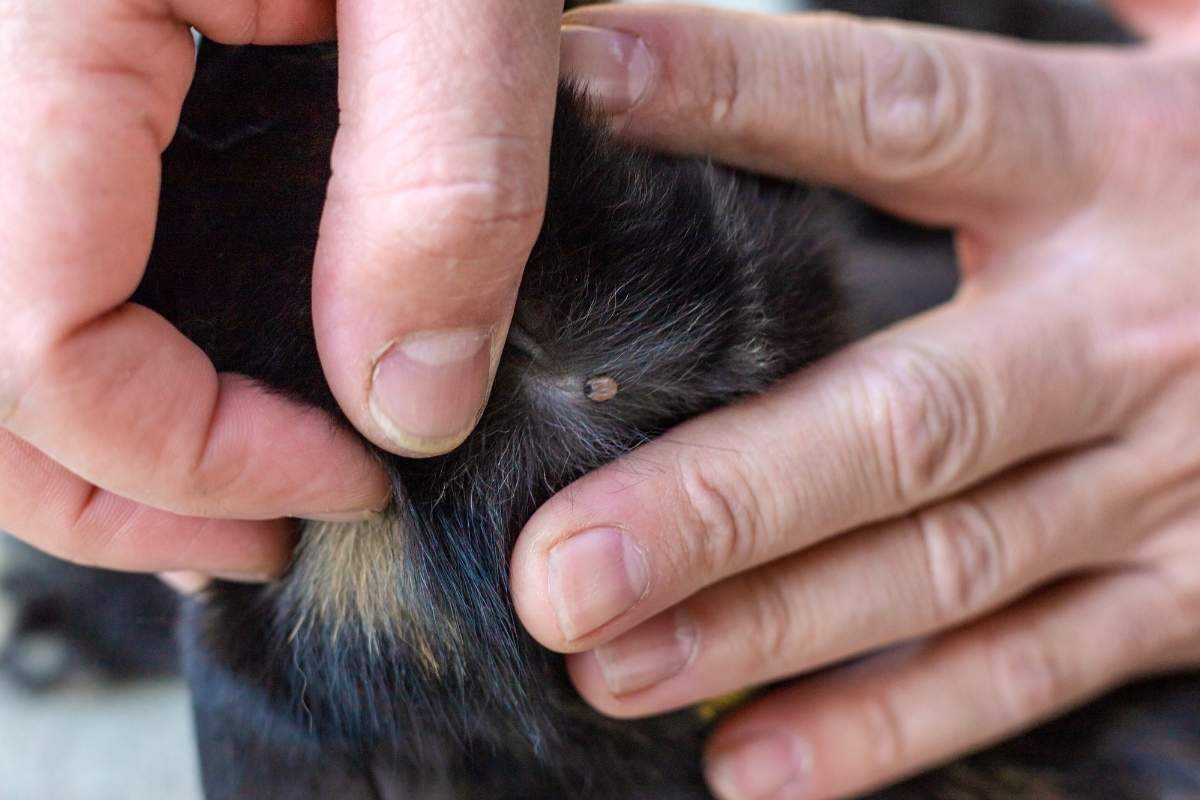
Fleas and ticks are more than just irritating—they can transmit diseases and cause severe allergic reactions in sensitive pets.
4. Ant Bites (Especially Fire Ants)
Fire ants can swarm and bite multiple times, causing intense pain and swelling in pets.
5. Animal Bites
Dog fights or wildlife encounters (like raccoons or stray animals) can result in deep puncture wounds that may become infected if not treated properly.
Symptoms of Stings and Bites in Pets
Recognizing symptoms early is crucial. The severity depends on the type of bite or sting and your pet’s reaction.
Mild Symptoms:
- Redness or swelling at the site
- Itching or licking the affected area
- Mild pain or discomfort
- Small bump or irritation
Moderate Symptoms:
- Increased swelling, especially on the face or paws
- Hives or skin rash
- Limping if the bite is on a leg
- Restlessness or whining
Severe Symptoms (Emergency Signs):
- Difficulty breathing
- Vomiting or diarrhea
- Excessive drooling
- Collapse or weakness
- Swelling of the throat or face
- Signs of allergic reaction (anaphylaxis)
If you notice any severe symptoms, contact a veterinary hospital immediately. Quick action can save your pet’s life.
What to Do Immediately After a Sting or Bite
Knowing how to respond in the first few minutes is important.
1. Stay Calm and Assess the Situation
Try to locate the bite or sting and observe your pet’s behavior.
2. Remove the Stinger (If Present)
If a bee stinger is visible, gently scrape it out using a flat object like a credit card. Avoid squeezing it, as this may release more venom.
3. Apply a Cold Compress
Use a clean cloth with ice wrapped inside and apply it to the affected area for 10–15 minutes to reduce swelling.
4. Prevent Scratching or Licking
Pets may worsen the injury by licking or scratching. Use an Elizabethan collar if necessary.
5. Monitor Closely
Watch your pet for at least 24 hours for any worsening symptoms.
However, even if symptoms seem mild, it is always a good idea to consult a vet for proper evaluation.
When to Visit a Vet Immediately
You should seek urgent care from a vet if:
- Your pet shows signs of an allergic reaction
- The bite is near the eyes, mouth, or throat
- There is excessive swelling or pain
- The wound looks infected (pus, foul smell, redness spreading)
- Your pet becomes lethargic or refuses food
At Valley Animal Hospital, we provide prompt diagnosis and treatment for all types of bites and stings. If you are unsure about your pet’s condition, it is always safer to book an appointment and get professional guidance.
Treatment Options at a Veterinary Hospital
Depending on the severity, treatment may include:
Antihistamines or Steroids
Used to reduce allergic reactions and inflammation.
Pain Management
Medication to keep your pet comfortable during recovery.
Antibiotics
Prescribed if there is a risk of infection or if the wound is already infected.
Wound Cleaning and Care
Proper cleaning prevents bacteria from spreading and promotes healing.
Emergency Care
In severe allergic reactions, oxygen therapy or injectable medications may be required.
Preventing Stings and Bites in Pets
Prevention is always better than treatment. Here are some helpful tips:
- Keep your pet away from flowering plants and insect nests
- Use vet-recommended flea and tick prevention products
- Avoid walking pets in areas with visible ant hills or bee activity
- Supervise outdoor playtime, especially in wooded or grassy areas
- Keep garbage bins sealed to avoid attracting insects and wildlife
Regular checkups at a veterinary hospital also help ensure your pet remains protected from parasites and other risks.
Why Immediate Veterinary Care Matters
Even a small bite can turn into a serious condition if ignored. Infections, allergic reactions, or toxin exposure can progress quickly. A qualified vet can properly diagnose the issue and provide life-saving treatment if needed.
At Valley Animal Hospital, we are committed to providing compassionate and timely care for pets in Rialto and surrounding areas. If your pet experiences a sting or bite, don’t wait for symptoms to worsen—book an appointment and let our experienced veterinary team help ensure your pet’s safety and comfort.
FAQs:
1. How do I know if my pet has been stung or bitten?
Common signs include swelling, redness, limping, excessive licking, or sudden discomfort. In severe cases, pets may show breathing difficulties or collapse.
2. Are all insect bites dangerous for pets?
Not all bites are dangerous, but some can trigger allergic reactions or infections. Bee stings and fire ant bites are more likely to cause serious reactions.
3. Can I treat my pet’s bite at home?
Mild cases may be treated with cold compresses and monitoring, but it is always best to consult a vet for proper diagnosis and treatment.
4. When should I take my pet to a veterinary hospital?
If your pet shows swelling near the face, difficulty breathing, vomiting, or extreme pain, you should visit a veterinary hospital immediately.
5. What should I avoid doing after my pet is bitten?
Avoid squeezing stingers, giving human medication without vet approval, or ignoring symptoms. These actions can worsen the condition.
6. How can I prevent future bites and stings?
Use parasite prevention products, avoid high-risk outdoor areas, and keep your pet supervised during walks or outdoor activities.