1786 N. Riverside Ave Suite #1, Rialto, CA 92376


The Importance of Diagnostic Care for Your Pet’s Health
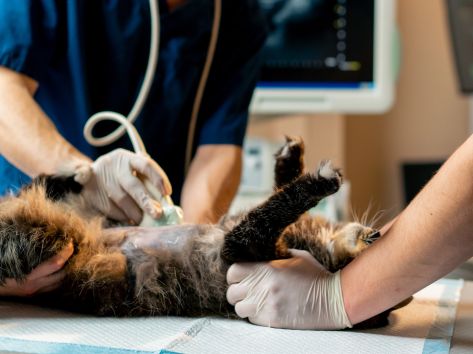
As pet owners, we all want our furry friends to stay happy, healthy, and active throughout their lives. However, pets often hide signs of illness, making it challenging to detect potential health problems until they become more serious. This is where diagnostic care plays a vital role in your pet’s health journey. Regular veterinary checkups, diagnostic tests, and screenings are essential for detecting underlying health issues early, preventing further complications, and ensuring your pet receives timely treatment.
At Valley Animal Hospital, we understand the importance of diagnostic care in maintaining the health and well-being of your pet. In this blog, we will explore why diagnostic care is crucial for your pet’s health, how it helps in early disease detection, and the various diagnostic tools that play a key role in managing your pet’s care.
What Is Diagnostic Care for Pets?
Pet diagnostic care refers to a variety of medical tests, procedures, and screenings that help veterinarians detect, diagnose, and monitor potential health issues in pets. Just like humans, pets can develop various health conditions, some of which may not show immediate symptoms. Early detection through diagnostic care can prevent the development of more severe diseases, improve treatment outcomes, and increase the quality of life for pets.
Diagnostic care for pets includes a range of services such as:
- Blood tests to assess organ function, detect infections, and check for underlying diseases like diabetes or kidney failure.
- Urine tests to detect conditions like urinary tract infections, kidney disease, and diabetes.
- X-rays and ultrasounds to examine internal organs, detect tumors, fractures, or abnormalities, and monitor conditions such as arthritis or heart disease.
- Fecal tests to identify parasites, gastrointestinal issues, and digestive concerns.
- Dental screenings to detect periodontal disease, which is common in pets and can lead to other serious health conditions.
Through these diagnostic methods, veterinarians are able to detect problems early on, providing the opportunity for timely treatment and intervention.
Why Is Diagnostic Care Crucial for Your Pet’s Health?
Many pet health conditions can be subtle, meaning they aren’t immediately noticeable to pet owners. Pets often mask their pain or discomfort, making it difficult for owners to recognize when something is wrong. Regular diagnostic care is essential for uncovering hidden health problems and preventing serious conditions from progressing.
1. Early Detection Saves Lives
One of the most important benefits of diagnostic care is early detection. Health problems like cancer, kidney disease, or heart conditions often have subtle symptoms that can go unnoticed until they become advanced. Diagnostic care can detect these conditions in their early stages, allowing veterinarians to implement treatment plans that are more effective and less invasive.
For example, blood tests can detect changes in organ function that might indicate a problem with the liver or kidneys. Catching these issues early means your pet can receive treatment before the condition worsens and becomes life-threatening.
2. Prevents Complications and Serious Illnesses
Diagnostic care helps prevent minor health issues from turning into serious conditions. Regular screenings can identify diseases like diabetes, hypothyroidism, or infections before they cause significant harm to your pet. For instance, an undiagnosed urinary tract infection can lead to kidney damage or bladder stones, making early detection through urine tests crucial in preventing complications.
Additionally, diagnostic tools such as X-rays and ultrasounds can reveal internal issues that may not be visible externally. These diagnostic methods allow your veterinarian to detect tumors, fractures, or arthritis early, preventing further damage and improving your pet’s long-term health outcomes.
3. Personalized Care for Your Pet’s Health
Every pet is unique, and so are their health needs. Through diagnostic care, veterinarians can gather crucial data to tailor a personalized care plan for your pet. Based on test results, your veterinarian can recommend specific treatments, medications, or lifestyle changes to address your pet’s individual health concerns.
For example, if a diagnostic test reveals that your dog has an elevated blood sugar level, your veterinarian can diagnose diabetes and create a customized treatment plan that includes medication, dietary changes, and regular monitoring. Personalized care ensures your pet receives the best possible treatment for their condition.
4. Ongoing Monitoring and Management of Chronic Conditions
Pets, like humans, can suffer from chronic conditions such as arthritis, heart disease, and diabetes. Regular diagnostic care allows veterinarians to monitor these conditions and adjust treatment as needed. Diagnostic tests, such as blood work or ultrasounds, can help track disease progression, evaluate the effectiveness of treatment, and identify any new issues that may arise.
For example, if your pet has been diagnosed with arthritis, regular X-rays can help monitor joint health, ensuring that any changes are addressed promptly. This ongoing management helps improve your pet’s quality of life and minimizes the impact of chronic conditions.
Common Diagnostic Tests Used in Pet Care
Several diagnostic tests are commonly used in veterinary practices to help identify and monitor health conditions in pets. Here’s an overview of some of the most widely used diagnostic tools:
1. Blood Tests
Blood tests are essential for evaluating a pet’s overall health. These tests measure various components of the blood, including red and white blood cells, electrolytes, glucose, and organ-specific markers. Blood tests can detect infections, liver or kidney disease, and even early signs of cancer. They are also crucial for monitoring pets with chronic conditions like diabetes or heart disease.
2. Urinalysis
Urine tests are used to assess kidney function, detect urinary tract infections (UTIs), and monitor pets with diabetes. Urinalysis can also help diagnose conditions like kidney disease, bladder stones, and dehydration. A simple urine test can reveal a wealth of information about your pet’s health and aid in early disease detection.
3. X-rays and Ultrasounds
X-rays and ultrasounds are imaging tools that help veterinarians examine the internal structures of a pet’s body. X-rays are often used to check for fractures, tumors, or foreign objects inside the body. Ultrasounds provide a more detailed view of internal organs, such as the liver, heart, and kidneys. These diagnostic tools allow veterinarians to assess the condition of your pet’s organs and detect any abnormalities that may require treatment.
4. Fecal Testing
Fecal tests are important for diagnosing gastrointestinal issues, such as parasites, infections, and digestive problems. A fecal exam can detect intestinal worms, protozoa, or bacterial infections that may be affecting your pet’s digestive system. Regular fecal testing is essential for preventing parasitic infestations and maintaining your pet’s digestive health.
5. Dental Screenings
Dental health is often overlooked, but it is just as important as overall physical health. Regular dental exams and cleanings are essential for preventing periodontal disease, which can lead to serious health issues like heart disease and kidney failure. Diagnostic dental screenings help identify any signs of dental disease early, allowing for prompt treatment.
How Diagnostic Care Improves Long-Term Health
Diagnostic care plays a critical role in enhancing your pet’s long-term health by preventing disease progression, improving treatment outcomes, and ensuring early intervention. Regular veterinary exams and diagnostic tests help ensure your pet remains healthy, comfortable, and happy throughout their life.
Early detection and treatment also contribute to reducing overall veterinary costs by addressing issues before they become more serious and require expensive treatments. With diagnostic care, you are taking proactive steps to protect your pet’s well-being and extend their life.
Diagnostic care is an essential part of maintaining your pet’s health and well-being. By regularly monitoring your pet’s health through diagnostic tests and screenings, you can detect problems early, prevent complications, and ensure your pet receives personalized care. Whether it’s through blood work, X-rays, or dental exams, diagnostic care helps keep your pet healthy and happy for years to come.
If you’re in Rialto, CA, and looking for pet diagnostic care near you, schedule an appointment with Valley Animal Hospital. Our veterinary team is dedicated to providing comprehensive diagnostic care to ensure your pet’s health and happiness.
FAQs
What is pet diagnostic care?
Pet diagnostic care includes a variety of tests, such as blood work, X-rays, and urine tests, used to detect and monitor health conditions in pets.
How often should my pet have diagnostic tests?
Pets should undergo diagnostic tests as recommended by your veterinarian, typically during annual checkups or more frequently for pets with existing health issues.
Why are blood tests important for pets?
Blood tests help detect infections, organ dysfunction, early signs of disease, and monitor the health of pets with chronic conditions like diabetes or kidney disease.
Can diagnostic care help prevent illness in pets?
Yes! Early detection through diagnostic care allows for prompt treatment, preventing minor health issues from turning into serious illnesses.
How can I monitor my pet’s health at home?
You can monitor your pet’s health by observing changes in behavior, appetite, or bathroom habits. However, regular vet checkups and diagnostic tests are crucial for accurate assessments.
What are the benefits of early disease detection in pets?
Early detection allows for timely intervention, leading to better treatment outcomes, reduced complications, and improved quality of life for your pet.