1786 N. Riverside Ave Suite #1, Rialto, CA 92376


Home-Cooked or Store-Bought Pet Food: What’s the Healthier Choice for Your Pet?
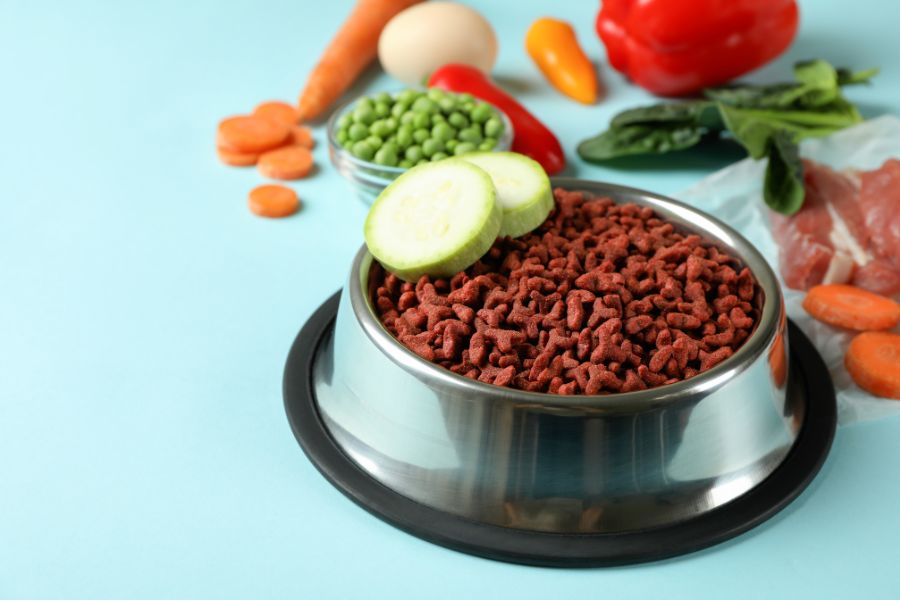
Choosing what to feed your dog or cat is one of the most important decisions you make as a pet parent. Walk into any store in the United States, and you will see shelves filled with dry kibble, canned meals, raw diets, and fresh refrigerated options. At the same time, more families are preparing meals in their own kitchens, hoping to offer something more natural and wholesome.
So which option is truly healthier: home-cooked meals or store-bought pet foods?
The honest answer is that it depends on your pet’s needs, your lifestyle, and how well the diet is planned. Let’s break down the pros, risks, and practical considerations so you can make a confident and informed choice.
Understanding Your Pet’s Nutritional Needs
Before comparing options, it helps to understand what dogs and cats actually require.
Dogs
Dogs are omnivores. They need:
- High-quality protein for muscle support
- Healthy fats for skin, coat, and energy
- Carbohydrates for fuel
- Vitamins and minerals for immune and organ health
Cats
Cats are obligate carnivores. They must have:
- Animal-based protein
- Taurine (an essential amino acid)
- Certain fatty acids found in meat
- Specific vitamins, like vitamin A in active form
Balanced nutrition is not about one “superfood.” It’s about the right combination of nutrients in the right amounts. That’s where many well-meaning pet owners run into trouble.
What Are Store-Bought Pet Foods?
Commercial pet foods include kibble, canned food, freeze-dried diets, and fresh packaged meals. These products are formulated to meet nutritional standards set by regulatory bodies in the U.S., such as AAFCO (Association of American Feed Control Officials).
Benefits of Store-Bought Pet Foods
1. Nutritional Balance
Reputable brands design formulas to meet complete and balanced standards. This reduces the risk of nutrient deficiencies.
2. Convenience
You can measure, serve, and store them easily. This matters for busy households.
3. Long Shelf Life
Dry food can last for weeks once opened if stored properly.
4. Consistency
Each batch is produced to match nutritional guidelines, offering predictable nutrient content.
Concerns to Consider
- Ingredient quality varies by brand.
- Some formulas may include fillers or lower-quality protein sources.
- Recalls, while rare, do happen.
Reading labels helps. Look for a clear protein source listed first and avoid vague descriptions like “meat by-product” without detail. Not all pet foods are equal, so research matters.
What About Home-Cooked Pet Food?
Home-cooked diets are prepared in your kitchen using ingredients such as chicken, turkey, rice, vegetables, and supplements. Many pet owners feel more in control when they cook for their pets.
Benefits of Home-Cooked Diets
1. Ingredient Control
You know exactly what goes into your pet’s bowl.
2. Customization
You can tailor meals for food sensitivities or medical conditions.
3. Freshness
Meals are freshly prepared without preservatives.
Risks and Challenges
The biggest risk is imbalance.
Many home-prepared meals lack essential nutrients like calcium, taurine (for cats), zinc, or certain B vitamins. Even small deficiencies can cause serious health problems over time, such as weak bones or heart disease.
Portion control is another issue. Without proper guidance, it is easy to overfeed or underfeed.
Home cooking also requires time, planning, and careful storage to prevent bacterial contamination.
Is One Option Healthier Than the Other?
There is no universal winner.
A high-quality commercial diet that meets established standards can be very healthy. A poorly chosen brand may not be ideal.
A properly formulated home-cooked plan designed with professional guidance can also support excellent health. A random internet recipe may lead to deficiencies.
The health impact depends on balance, quality, and your pet’s unique needs.
The Role of Pet Diagnostic Care
Before changing your pet’s diet, consider their current health status. Bloodwork, weight evaluation, and other forms of pet diagnostic care can provide valuable insight.
For example:
- A dog with kidney disease needs controlled phosphorus and protein levels.
- A cat with diabetes may require careful carbohydrate management.
- An overweight pet needs calorie control and portion adjustments.
Diet decisions should match medical findings. Testing provides facts rather than guesswork.
Cost Comparison: What Should You Expect?
Store-Bought Options
- Budget kibble: Lower cost, basic nutrition
- Premium brands: Higher price, often higher-quality ingredients
- Fresh subscription diets: More expensive, home-delivered
Home-Cooked Meals
- Grocery costs can add up quickly
- Supplements are often required
- Time investment is significant
In many U.S. cities, premium commercial diets may actually cost less than a fully balanced home-cooked plan when supplements and preparation time are included.
Safety and Food Handling
Food safety is often overlooked.
Commercial pet foods go through safety testing and quality control procedures. While no system is perfect, there are standards in place.
Home-cooked diets require careful handling:
- Wash your hands before and after preparation
- Store meals in airtight containers
- Refrigerate promptly
- Avoid feeding spoiled food
Raw ingredients, especially poultry, carry bacteria such as Salmonella. Improper handling can affect both pets and humans in the household.
Special Cases: When Home-Cooked May Help
There are situations where a home-prepared diet may be helpful:
- Severe food allergies
- Chronic digestive problems
- Multiple ingredient sensitivities
- Complex medical conditions
Even in these cases, recipes should be reviewed by a veterinary professional. Guessing can lead to long-term harm.
Signs Your Pet’s Diet Is Working
No matter which option you choose, watch for these signs:
- Steady, healthy weight
- Shiny coat
- Normal stool quality
- Good energy levels
- Clear eyes
- Healthy skin
If you notice hair loss, weight changes, vomiting, or diarrhea, reassess the diet.
Routine exams and pet diagnostic care help catch issues early. Diet is not static; it may need adjustments over time.
Common Myths About Pet Nutrition
Myth 1: “Natural” Means Better
The word “natural” has no strict universal definition in marketing. Always evaluate the full ingredient list and nutritional statement.
Myth 2: Grain-Free Is Healthier
Grain-free diets are not automatically superior. Some pets tolerate grains well. Diet choices should reflect individual health, not trends.
Myth 3: Homemade Is Always Safer
Homemade meals can be safe, but only when balanced. Many online recipes are incomplete.
How to Make an Informed Decision
Ask yourself:
- Do I have time to cook and measure meals daily?
- Am I willing to use supplements if needed?
- Has my pet had a recent health screening?
- Can I evaluate ingredient labels carefully?
A balanced approach works for many families. Some pet owners use high-quality store-bought pet foods for daily meals and prepare occasional home-cooked additions for variety.
What matters most is meeting nutritional requirements safely and consistently.
Conclusion: Choosing What’s Right for Your Pet
There is no single answer that fits every dog or cat. Both home-cooked meals and store-bought pet foods can support strong health when done correctly. The key is balance, safety, and informed decision-making.
Start by evaluating your pet’s age, activity level, and medical history. Consider updated testing and pet diagnostic care to understand their current health status. Then weigh your lifestyle, budget, and ability to maintain consistency.
Your pet depends on you for every meal. Take the time to choose wisely. The right diet supports energy, comfort, and long-term wellness. If you have questions about your pet’s nutrition, reach out to and schedule a consultation with Valley Animal Hospital to review your options.
Frequently Asked Questions (FAQs)
1. Is home-cooked pet food better than commercial food?
Not always. Home-cooked meals can be healthy if properly balanced. Commercial pet foods that meet established standards are often complete and convenient.
2. How do I know if a commercial pet food is high quality?
Look for clear protein sources, a nutritional adequacy statement, and transparent ingredient lists. Research the brand’s safety history.
3. Can I mix home-cooked food with kibble?
Yes, but balance matters. Mixing without adjusting portions may lead to excess calories or nutrient imbalance.
4. Do pets need supplements on a home-cooked diet?
In most cases, yes. Calcium, certain vitamins, and taurine for cats are commonly needed to prevent deficiencies.
5. How often should my pet’s diet be reviewed?
At least once a year during a wellness visit. More often, if your pet has medical conditions.
6. What role does pet diagnostic care play in diet planning?
Testing, such as bloodwork and weight evaluation, helps identify health conditions that require dietary adjustments, making nutrition choices safer and more precise.