1786 N. Riverside Ave Suite #1, Rialto, CA 92376

How to Help Your Dog Recover from Surgery: A Complete Guide
When your dog comes home after surgery, it is completely normal to feel worried about their comfort, safety, and healing process. Even routine procedures can leave dogs feeling tired, sore, or confused. Because dogs cannot clearly express discomfort, pet parents must play an active role in post-operative care. With the right knowledge and preparation, however, recovery can be smooth and stress-free.
Fortunately, most dogs heal well when owners follow a structured recovery plan. By understanding what to expect and how to respond, you can create a calm environment that supports healing and prevents complications. This complete guide explains how to help your dog recover safely and comfortably after surgery, especially for families in Rialto, CA.
Why Post-Surgical Care Matters
After any procedure, your dog’s body needs time to heal. Proper aftercare not only reduces pain but also lowers the risk of infection and long-term complications. In addition, careful monitoring helps you identify problems early, when treatment is most effective.
Recovery is not just about rest. Instead, it involves a balance of medication management, wound care, nutrition, emotional support, and activity restriction. When all these elements work together, your dog can return to normal life faster and safer.
Step 1: Follow Veterinary Instructions Exactly
First and foremost, always follow the discharge instructions provided by your veterinarian. These guidelines are customized based on your dog’s age, size, and specific procedure.
Typically, instructions include:
- Medication schedules
- Feeding recommendations
- Activity restrictions
- Incision care details
- Follow-up appointment dates
Even if your dog seems energetic or comfortable, never skip steps or adjust care on your own. Doing so can delay healing or cause setbacks.
Step 2: Create a Calm Recovery Space
Next, prepare a quiet and comfortable area for your dog to rest. Surgery can make dogs feel sensitive to noise, light, and movement.
Choose a space that is:
- Warm and draft-free
- Away from stairs and slippery floors
- Free from other pets or children
Soft bedding helps relieve pressure on healing tissues. Additionally, keep food, water, and the door for bathroom breaks nearby to reduce unnecessary movement.
Step 3: Limit Physical Activity
Rest is critical after dog surgery, especially during the first one to two weeks. Too much movement can reopen incisions or cause swelling.
To manage activity safely:
- Use a leash during bathroom breaks
- Block access to stairs and furniture
- Avoid running, jumping, or playtime
Although your dog may feel better before healing is complete, strict activity control protects internal and external stitches.
Step 4: Monitor the Incision Daily
Checking the incision site every day allows you to catch problems early. A healthy incision should look clean and dry with minimal redness.
However, contact your veterinarian if you notice:
- Increasing swelling or redness
- Discharge or foul odor
- Bleeding or open stitches
- Excessive warmth around the area
Never apply creams or cleaning solutions unless instructed. Improper cleaning can slow healing rather than help it.
Step 5: Prevent Licking and Chewing
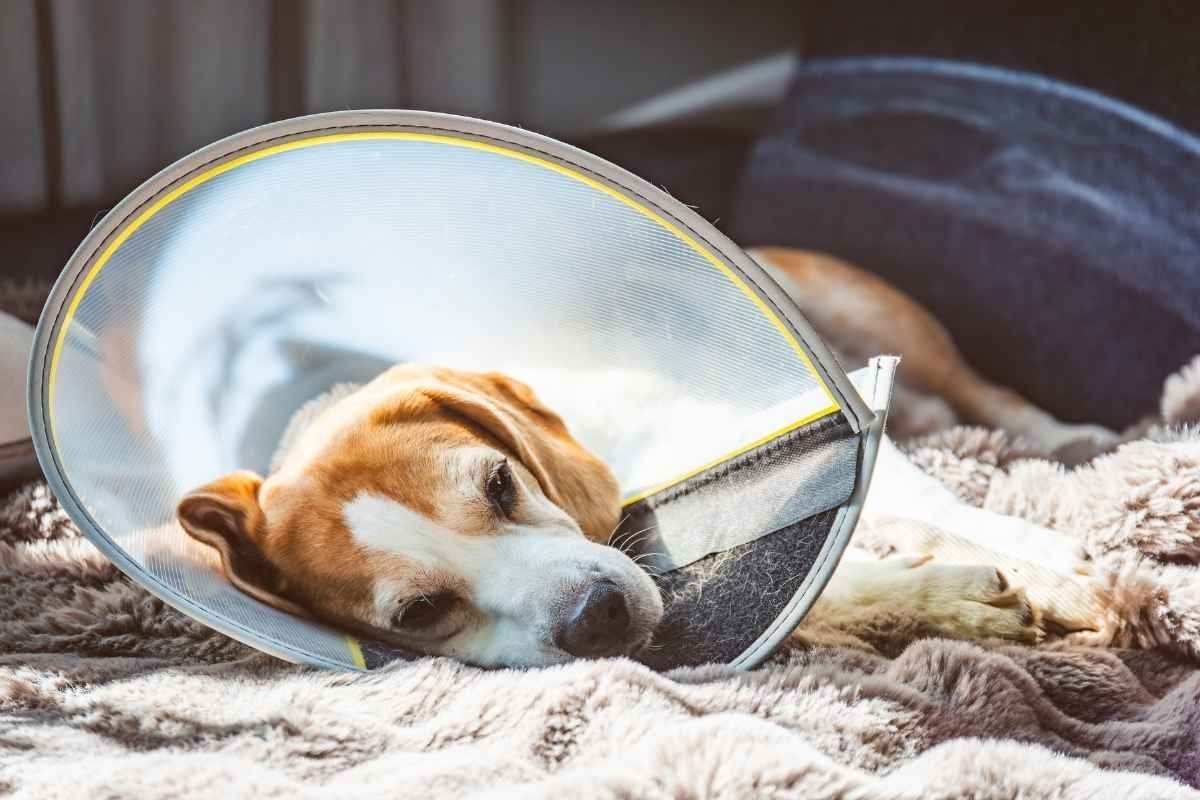
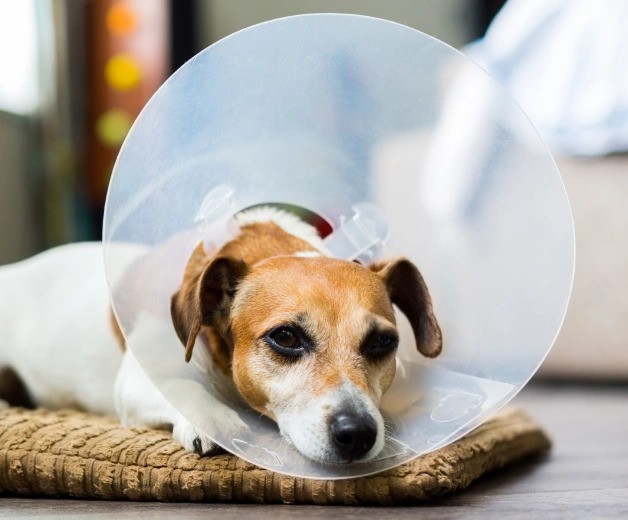
Dogs naturally want to lick wounds, but this habit introduces bacteria and disrupts healing. For that reason, most veterinarians recommend protective tools.
These may include:
- Elizabethan collars (cones)
- Soft recovery collars
- Medical recovery suits
Although your dog may resist at first, consistency is essential. Preventing licking significantly reduces infection risk and recovery time.
Step 6: Give Medications Correctly
Pain relief and antibiotics support healing and comfort. Therefore, give all medications exactly as prescribed.
Helpful tips include:
- Setting reminders for dosing times
- Using pill pockets if needed
- Never stopping medication early
If your dog refuses medication or vomits after dosing, contact your veterinary team immediately for guidance.
Step 7: Support Recovery with Proper Nutrition
After surgery, appetite changes are common. Some dogs eat less for a day or two, while others return to normal quickly.
To support healing:
- Offer small, easily digestible meals
- Ensure constant access to fresh water
- Avoid rich treats or table scraps
Good nutrition provides the energy and nutrients your dog needs to repair tissues and regain strength.
Step 8: Watch for Warning Signs
Even with excellent care, complications can occur. Because early intervention matters, observe your dog closely throughout recovery.
Call your veterinarian if you notice:
- Persistent vomiting or diarrhea
- Lethargy lasting more than 48 hours
- Difficulty breathing or standing
- Loss of appetite beyond two days
- Sudden behavioral changes
Prompt care often prevents minor issues from becoming serious problems.
Step 9: Maintain Emotional Comfort
Healing is not only physical. Emotional support plays an important role in recovery as well.
To reduce stress:
- Maintain a familiar routine
- Speak calmly and move gently
- Allow plenty of uninterrupted rest
Your presence alone provides reassurance and helps your dog feel safe during the healing period.
Step 10: Attend Follow-Up Appointments
Follow-up visits allow your veterinarian to confirm proper healing and remove sutures if necessary. Even if your dog appears fully recovered, internal healing may still be ongoing.
These visits ensure recovery stays on track and help prevent long-term complications after dog surgery.
Common Recovery Mistakes to Avoid
Even caring owners can make mistakes. Avoid the following issues:
- Allowing free movement too soon
- Skipping medications
- Removing protective collars early
- Ignoring small incision changes
- Delaying veterinary contact
Avoiding these mistakes significantly improves recovery outcomes.
Helping your dog recover after surgery requires patience, consistency, and careful observation. By creating a calm environment, limiting activity, administering medications properly, and monitoring healing closely, you play a vital role in your pet’s recovery journey.
If you are in Rialto, CA and need guidance related to dog recover after surgery, book an appointment with Valley Animal Hospital. Our veterinary team is dedicated to supporting your dog’s recovery every step of the way.
FAQs
Q1: How long does it take for a dog to fully recover after surgery?
Ans: Recovery usually takes 10–14 days, but the timeline depends on the type of surgery and your dog’s overall health. Follow your vet’s guidance for the best results.
Q2: Can I walk my dog after surgery?
Ans: Only for short bathroom breaks on a leash. Avoid running, jumping, or long walks until your veterinarian gives approval.
Q3: What should I do if my dog refuses to eat after surgery?
Ans: A reduced appetite is normal for a day or two. If your dog hasn’t eaten for more than 48 hours, contact your veterinarian.
Q4: How can I prevent my dog from licking or chewing their stitches?
Ans: Use an Elizabethan collar, soft recovery collar, or medical recovery suit as directed. Supervision alone is often not enough.
Q5: How do I care for the incision site?
Ans: Keep the area clean and dry, check for redness, swelling, or discharge daily, and follow your vet’s instructions. Avoid using hydrogen peroxide or alcohol unless instructed.
Q6: When should I call my veterinarian during recovery?
Ans: Contact your vet immediately if you notice excessive swelling, vomiting, diarrhea, lethargy, refusal to eat or drink, difficulty walking, or signs of infection.